


NEWS.am STYLE
NEWS.am STYLE
NEWS.am STYLE
NEWS.am STYLE

NEWS.am STYLE

NEWS.am STYLE
NEWS.am STYLE

NEWS.am STYLE
NEWS.am STYLE
NEWS.am STYLE
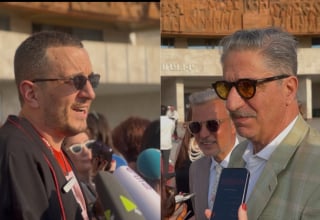
The 23rd "Golden Apricot" Yerevan International Film Festival has kicked off
NEWS.am STYLE
NEWS.am STYLE
NEWS.am STYLE
NEWS.am STYLE
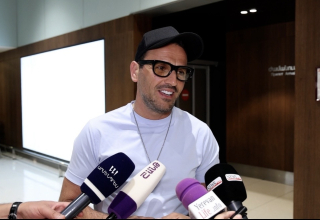
Nikos Vertis to perform in Armenia for the 3rd time at the invitation of “ACVA BUILDINGS”
NEWS.am STYLE
NEWS.am STYLE



Artist Armen Ronov: What Armenian society now calls “shame” was once a prayer in art history
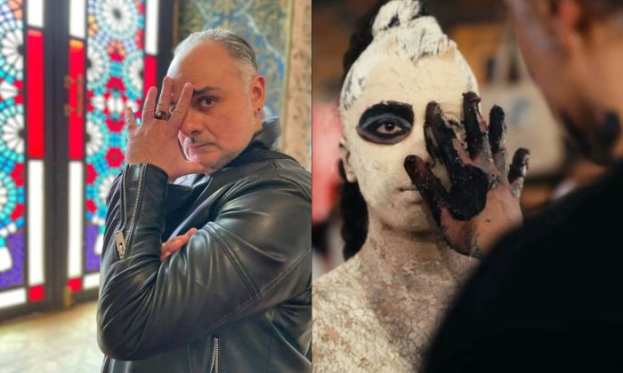
We met in his studio in central Yerevan on the day he was leaving. The works were packed, the space almost bare—as if belonging to someone who was already mentally on the road. Armen Ronov was soon to leave Armenia and return to Boston. Our conversation unfolded like a long, calm reflection on his life: on the path of an artist, on nature, on the viewer, on Armenia, and on why art here so often ends up alone.
On Works That No Longer Belong to the Artist
I have been working not only in Armenia but also abroad for a long time. Those early works, which do not belong to my current direction—Stratumism—mostly ended up in private collections overseas. Some I sold to collectors, and now, when I visit, for example, England, I see them with their owners. But I can no longer show them publicly—the collector doesn’t want the work to “travel” through exhibitions again.
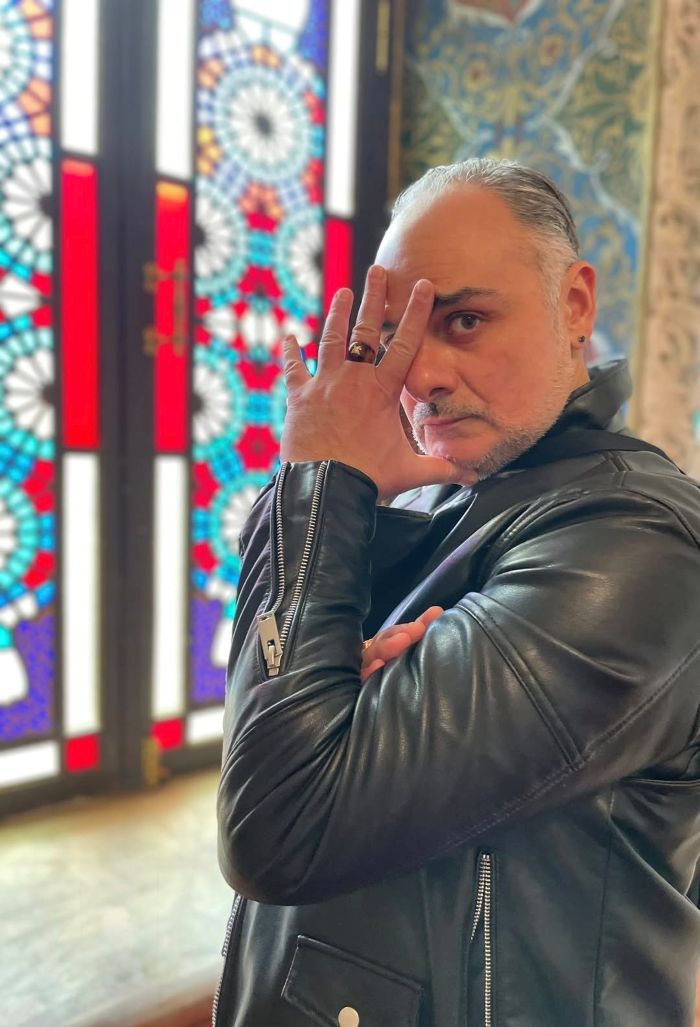
It’s a jealous, understandable attitude: someone invested money, emotion, status, and they are not obliged to share the painting with the public. So today, the audience mainly has access to new works, while the old ones exist only fragmentarily—in photographs, archives, and visual memory.
The Pandemic and the Birth of Stratumism
Stratumism was born during the COVID years. The pandemic, several years of isolation, when the entire world seemed locked away and cut off from nature. During this period, people were deprived not only of freedom of movement but also of the sense of realizing themselves in the world. We could not go outside; we could not “express ourselves” in the world.
…At some point, I realized that humanity was essentially sentenced—to mortal risk—and to this was added, in my view, the use of chemical weapons against people. Against this backdrop, I decided that nature must “respond”—and I began working in the genre of land art, creating what I later called Stratumism. The focus is on how nature, in breaking, cracking, and splitting, gives humans an immense energy through these fissures. And a person, “feeding” on this energy, can not only preserve their material life but also sustain their spiritual core.
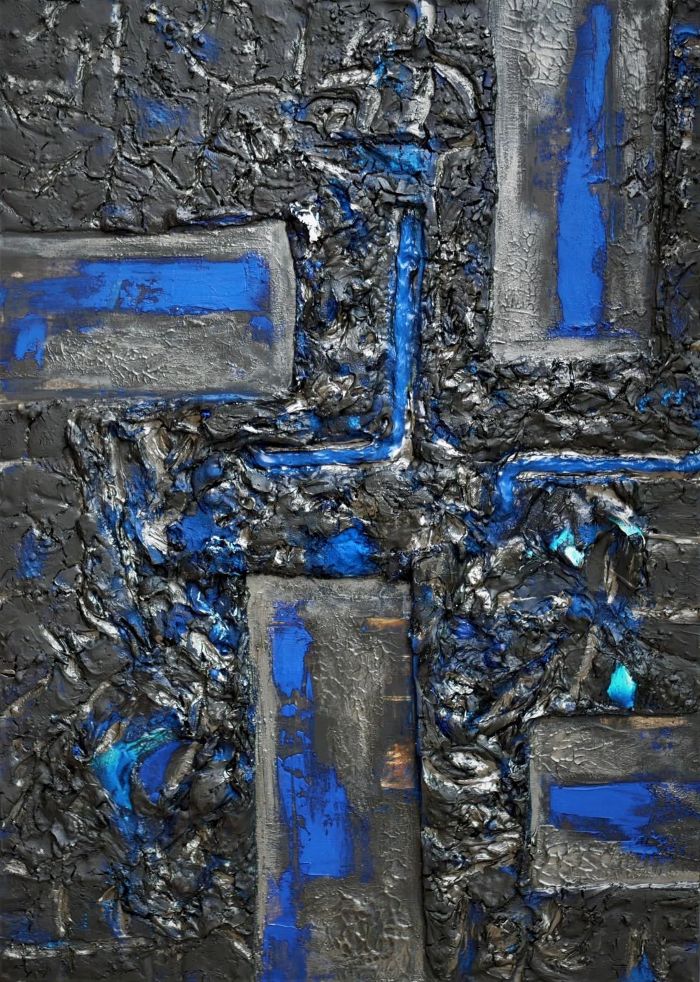
The first Stratumism collection began to take shape in Armenia, working directly in nature. Those who, during COVID, managed to escape to villages or mountains coped much more easily. I began in Armenia—creating the first Stratumism works in nature. Over two or three years, more than twenty pieces were completed. Then came Boston, where the line continued and was completed. Some works remained in Armenia, and my return was connected to them—bringing them back to, as I call it, complete my creative dialogue with the Armenian land.
On the Armenian Viewer and the Fear of Emotion
I have observed audience reactions to exhibitions for many years—not only my own. I watch who comes, how they look, what they feel. I had a telling performance: I showed how magma is “born,” how a stratum forms. To demonstrate, I used ordinary clay, nails, and other materials, assembling the object in front of viewers. And then a boy with Down syndrome came, asked to be lifted closer, and struck the piece with all his strength. And then, with the same gesture and hand, he began to stroke my face. At that moment, I realized it wasn’t about hitting the artwork—it was about a feeling being born in a person.
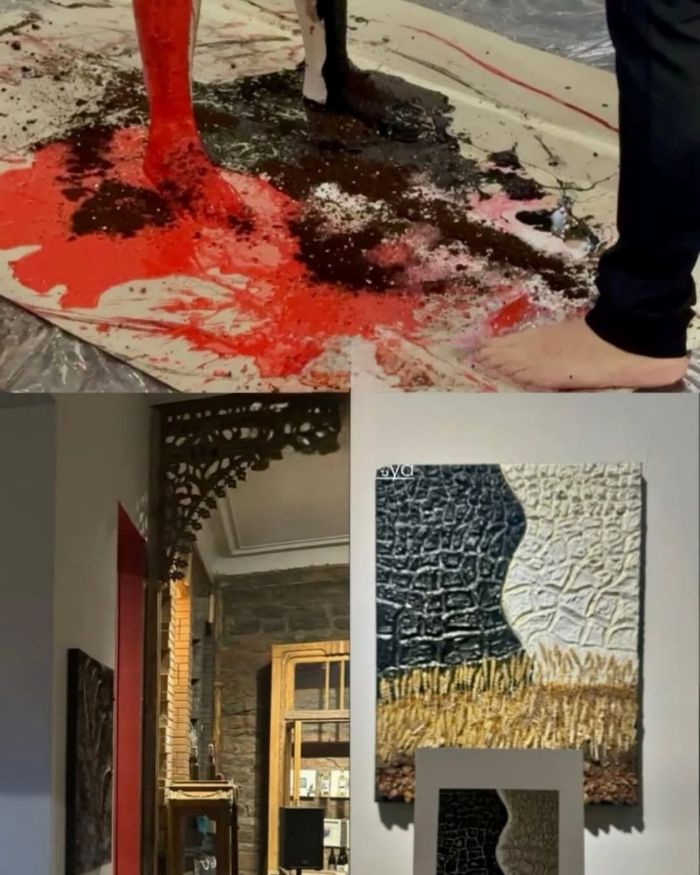
In Armenia, I often encounter something different: people come, look, but inside, nothing seems to move. The viewer is restrained, closed off, hiding emotions; the artist is left alone—at most they shake his hand and say “congratulations.” But when a person walks past and feels nothing—that is truly frightening. Russian audiences are completely different: at my exhibitions in Russia, people are not afraid to show emotion, to speak, argue, sometimes even to be angry at a work. That is normal. It is vital that we stop suppressing emotions.
On the Latest Performance and Live Reactions
In Armenia, as soon as a naked figure appears, especially a female one, a wave of outrage immediately rises. Yet the art itself is often left out of the conversation. These people usually do not recognize that they themselves move through the world “naked”—energetically, in terms of aggression or envy. They do not acknowledge their own internal “moral nudity,” but fiercely shame bodily nudity. What Armenian society now calls “shame” was once considered a prayer in art history.
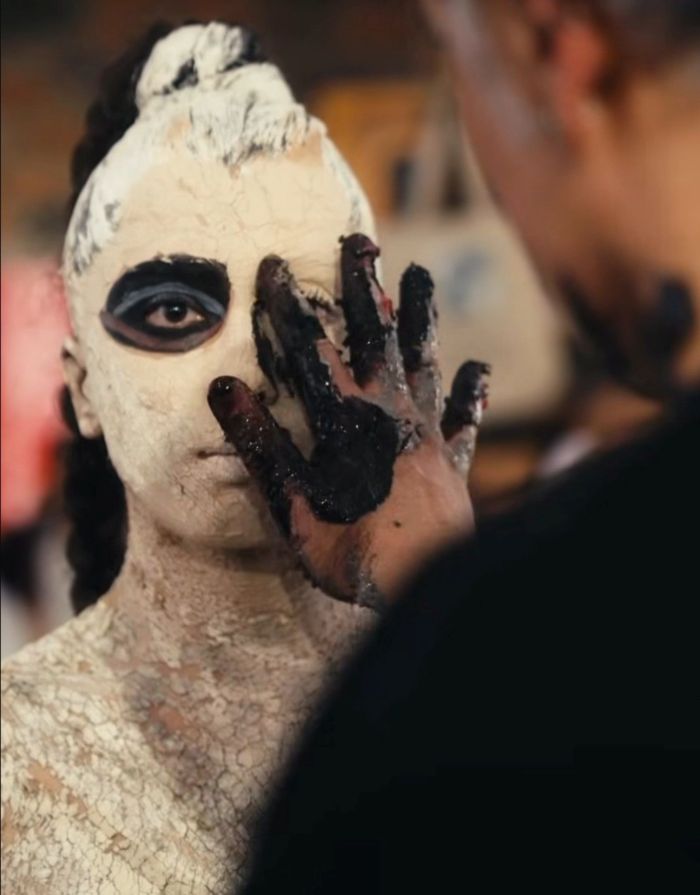
If the criticism were substantive, I would welcome it. But most often, they criticize not the art but the very act of courage—the nudity, provocation, the “incomprehensible.” In other words, they criticize not thought but stepping beyond the familiar. The problem is not personal offense; it is the scale of thought. The country is small, thinking is small—but that does not mean our ambitions should be small too.
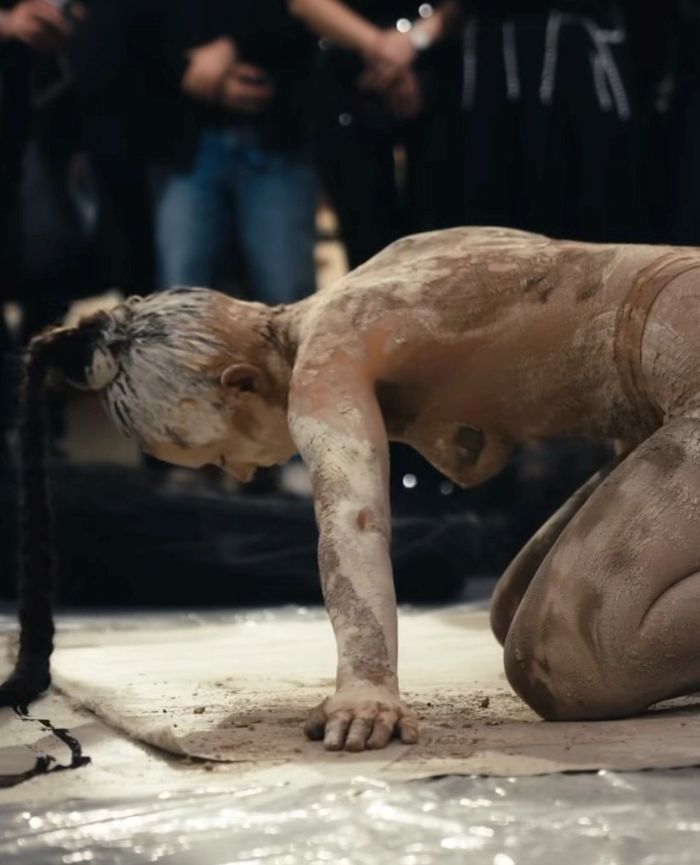
After speaking with Armen, I contacted the exhibition curator and art historian Sero Soghomonyan to better understand how this performance is perceived from a professional curatorial perspective:
“The Stratumism project is a distinct, independent substance, just like Ronov himself. Considering that the artist primarily lives and works in various Western countries, it’s difficult to say that this project is entirely oriented toward integration into the Armenian contemporary art context. At the same time, it undoubtedly carries the Armenian spirit, because Armen has deeply studied national elements and symbolism. But in any case, the focus is shifted toward universal human experiences, where nations and peoples are essentially little different from each other.”
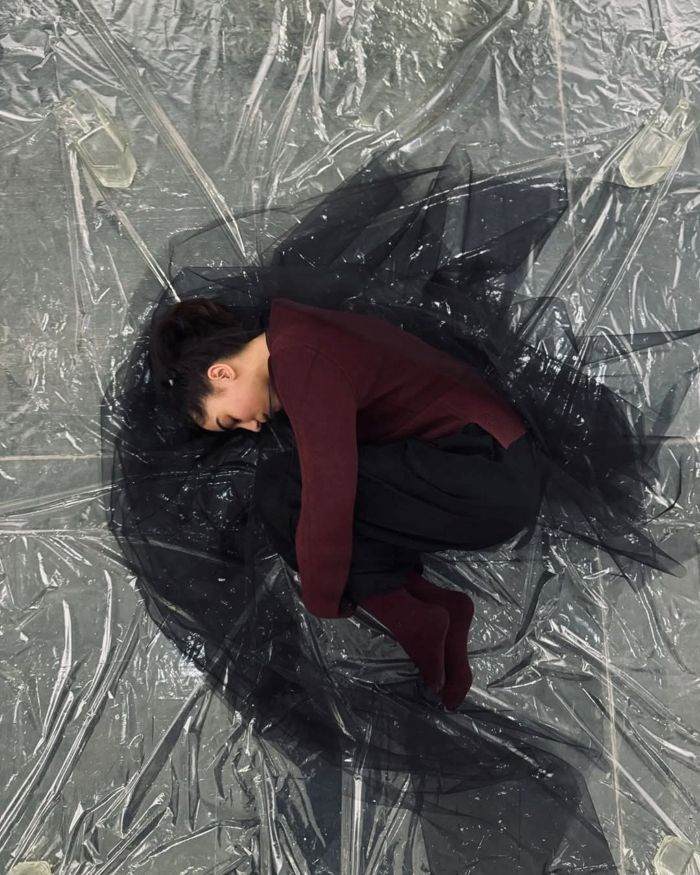
This shows how an artist born in a small country can address truly large, universal human themes.
On the Cultural Situation in Armenia
Our generation, and the generation after us, fought for many years for a genuine, world-class cultural discourse in Armenia. Unfortunately, it never materialized. The country experienced revolutions, but these were exclusively political. There was no cultural revolution in Armenia. I recall a short period when a few brave art historians attempted to create new platforms and promote innovative practices, but it all hit the barrier of a lack of patronage.
Contemporary art needs either state policy or a strong institution of patronage—or ideally, a combination of both. We have human rights supposedly declared, but the rights of cultural figures are nowhere specifically recorded or effectively protected.
…Nevertheless, Armenia has outstanding artists—I genuinely admire them. Sometimes I pray for them as spiritual brothers.
Photos via Armen Ronov’s Instagram
Interview by Liana Agadzhanyan
Follow NEWS.am STYLE on Facebook, Twitter and Instagram

- Armenia wins Junior Eurovision 2026 The Junior Eurovision 2026 contest has ended in Malta, with Armenia's representative Nare being declared the winner with the song Boo…
- Armenia's Representative Nare's Performance at the Junior Eurovision Song Contest 2026 The Junior Eurovision Song Contest 2026 is underway in Malta…
- LIVE: Junior Eurovision 2026 has started in Malta. Armenia will perform under the number 8 The “Junior Eurovision” song contest is currently taking place in Malta, where Armenia is represented by Naré with the song Boo…
- “Kim Kardashian Could Become President”: Biographer Reveals Her Family Secrets, Scandalous Past and Obsession with Fame For years, Kim Kardashian was dismissed as a celebrity with no particular talent who rose to fame thanks to an intimate video and her marriage to Kanye West. But journalist Jonathan Van Meter, who spent five years studying the star’s life and gained unprecedented access to her inner circle, argues that Kardashian is vastly underestimated. In his view, she is not merely a media personality but one of the most influential women of our time, having transformed her fame into a multibillion-dollar business...
- Salma Hayek’s Daughter Tops Britain’s Most Eligible List: Billionaire Parents, Pubs and Vodka Valentina Pinault, the 19-year-old daughter of Hollywood actress Salma Hayek and French billionaire François-Henri Pinault, has topped Tatler magazine’s list of Britain’s 200 most eligible young people. Despite her parents’ immense fortune, Valentina reportedly prefers London pubs, underground parties and trips to IKEA to exclusive luxury clubs...




-
01:22, October 25
Armenia wins Junior Eurovision 2026
-
00:16, October 25
Armenia's Representative Nare's Performance at the Junior Eurovision Song Contest 2026 -
23:00, October 24
LIVE: Junior Eurovision 2026 has started in Malta. Armenia will perform under the number 8 -
19:30, October 24
“Kim Kardashian Could Become President”: Biographer Reveals Her Family Secrets, Scandalous Past and Obsession with Fame -
17:25, October 24
AI-Generated Singer Announces Pregnancy and Quits Band — Fans Didn’t Realize She Wasn’t Real -
16:34, October 24
Salma Hayek’s Daughter Tops Britain’s Most Eligible List: Billionaire Parents, Pubs and Vodka -
15:10, October 24
Timothée Chalamet Ignores Victoria’s Secret Models for Kylie Jenner — His Reaction Goes Viral -
14:20, October 24
Queen Elizabeth II Bragged About Helen Mirren to a Sheikh — But He Didn’t Recognize the Actress -
13:49, October 24
Why Did Tom Cruise Punch Jack Nicholson? -
13:15, October 24
“I Know Where You Are”: Hunter Biden Accused of Threatening Sex Worker -
12:12, October 24
Kim Kardashian Opens Up About Her Romance with Lewis Hamilton: “I’m Very, Very Happy” -
11:19, October 24
A $3 Million Rolex, a $200,000 Hermès Bag and a 7-Carat Diamond: Cardi B Spoils Herself with Lavish Birthday Gifts
All materials

@NEWSam_STYLE
@NEWSam_STYLE
- Archive