



NEWS.am STYLE

NEWS.am STYLE

NEWS.am STYLE

NEWS.am STYLE

NEWS.am STYLE

NEWS.am STYLE

NEWS.am STYLE

NEWS.am STYLE

The 23rd "Golden Apricot" Yerevan International Film Festival has kicked off

NEWS.am STYLE

NEWS.am STYLE

NEWS.am STYLE

NEWS.am STYLE

Nikos Vertis to perform in Armenia for the 3rd time at the invitation of “ACVA BUILDINGS”

NEWS.am STYLE

NEWS.am STYLE

NEWS.am STYLE

NEWS.am STYLE


Is fashion only for billionaires?
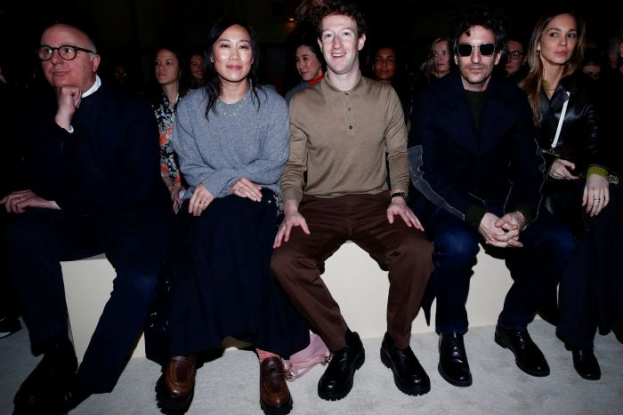
During fashion week, there comes a moment when you watch a crowd of photographers scrambling to capture a very thin model in an outdated outfit — or see Priscilla Chan, alongside her husband, Meta founder Mark Zuckerberg, walking into the Prada show in a €11,500 ($13,000) shearling coat you once dreamed of owning if you ever became a multimillionaire — and you can’t help but ask: who is this really for?
Fashion has never been more omnipresent, yet less accessible. It has become as ubiquitous as pop music, with live-streamed runway shows and the competitive race to dress celebrities turning into a kind of spectator sport, CNN reports.
By tailoring their output to platforms like TikTok and Instagram — where fashion VP Eva Chen wields influence comparable to Anna Wintour’s — brands have cultivated generations of savvy observers, ready to dissect every move. Gucci’s recent show, for instance, sparked days of debate about what was brilliant and what was over-the-top.
At the same time, prices have skyrocketed. A Chanel bag rose from $5,800 in 2019 to $10,800 in 2024, and the Spring 2025 Versace collection — praised as an alternative to the quiet luxury trend — includes dresses costing tens of thousands of dollars. The products that digital marketing pushes are often out of reach for most people talking about them online.
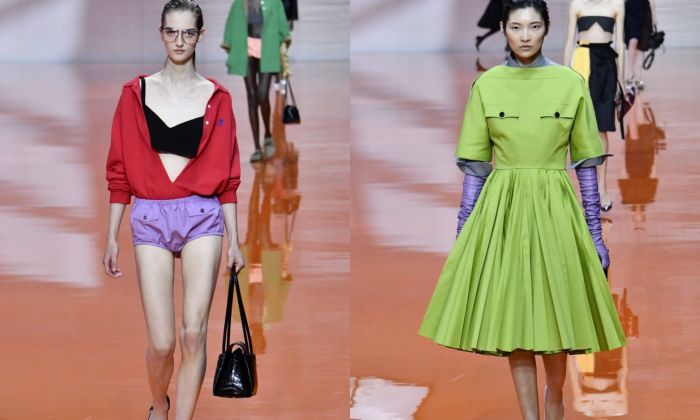
This paradox was on full display at Prada. While the collection explored layered outfits reflecting the speed of modern womanhood, billionaires in the front row created an unavoidable distraction. The lineup featured 15 models walking four times each, presenting 60 looks — a mix of previous ensembles with pieces added or removed — all in a tightly curated narrative about contemporary femininity.
Zuckerberg and Chan in the front row drew attention, prompting questions: what are these billionaires doing at a luxury fashion biennale? Forbes reports that Zuckerberg’s fortune surged from $72 billion to $177 billion in the same period Chanel bags nearly doubled in price. At a certain point, the ultra-wealthy need new ways to spend their money — as Jeff Bezos and Lauren Sánchez Bezos demonstrated earlier this year. Fashion has become the playground of America’s tech elite, susceptible to Prada’s allure just like anyone else.
Miuccia Prada herself makes no illusions: “We design for the wealthy. We are talking about expensive clothes, dressing rich people. You have to be aware of that.”
Meanwhile, designers like Glenn Martens of Diesel embrace the democratization of social media. He understands that many online critics lack fashion expertise, yet still uses digital engagement to reinforce Diesel’s lifestyle narrative.
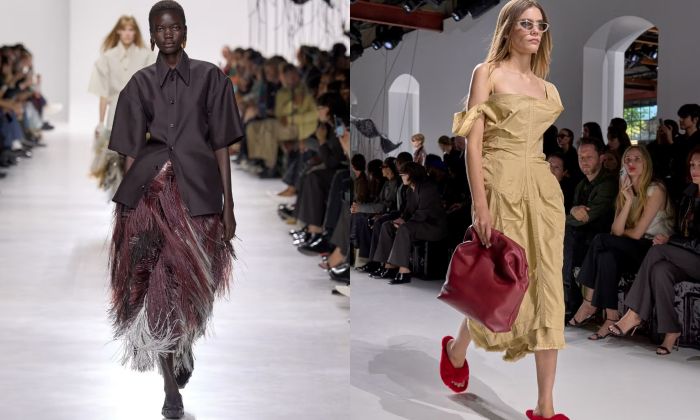
Other creatives — including Maria Grazia Chiuri (Fendi), Simone Bellotti (Jil Sander), and Meryll Rogge (Marni) — focus on real clients rather than Instagram-ready spectacle. Rogge’s Marni debut drew inspiration from the late ’90s and early 2000s, while Bellotti experimented with upholstery fabrics and cuts, creating wearable, long-lasting pieces rather than flashy social-media shows.
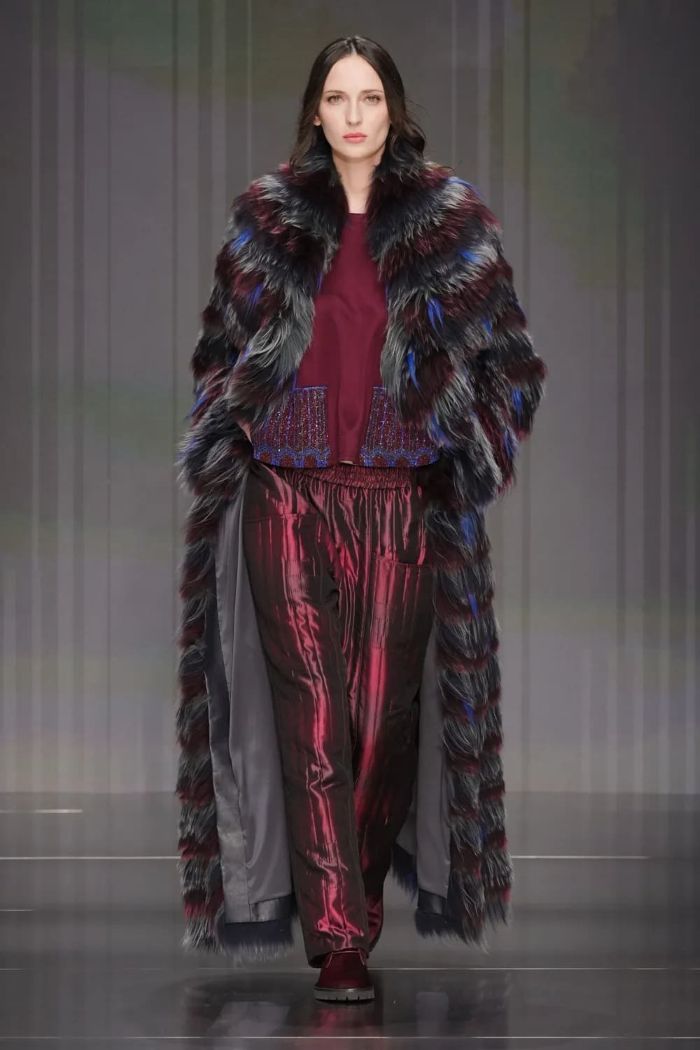
Luxury brands continue to walk a fine line between wearable art and elite display. Louise Trotter at Bottega Veneta reminded audiences that some fashion is theater for penthouses, palazzos, and Art Basel parties, not everyday life. Meanwhile, Armani under Silvana Armani offered approachable elegance with bold accents — striped wool coats, quilted trousers, and beaded jackets — making everyone, from multimillionaires to students hunting bargains on TheRealReal, feel like the owner of a private jet.
Today, fashion week is a paradox: hyper-visible, endlessly discussed online, and financially inaccessible. Perhaps it is this tension — between artistic ambition, social scrutiny, and billionaire indulgence — that makes contemporary fashion so compelling.
Follow NEWS.am STYLE on Facebook, Twitter and Instagram

- Zuhair Murad Softens His Signature Glamour With Mediterranean Mood, Fringe and a Marilyn Monroe-Inspired Dress Zuhair Murad took a step away from his signature evening glamour with a lighter, more relaxed ready-to-wear collection for spring...
- Louis Vuitton Defies Gravity: Nicolas Ghesquière Unveils a Weightless Collection at the Louvre One of the most striking set designs of the fashion month framed a story about moving through a vast metropolis — a metaphor for today’s turbulent, overheated world. To counter that chaos, Ghesquière proposed clothing that was light, almost ergonomic and designed to move freely with the body...
- Matthieu Blazy Stages a Triumphant Spectacle for Chanel: Coco Chanel, Tweed and a Touch of Attitude A year ago, Matthieu Blazy made his debut on the Chanel runway, opening a new chapter in the history of the legendary fashion house. Now, 12 months later, he returned to the Grand Palais as a true triumphalist, presenting his Spring/Summer 2027 collection — both a love letter to Coco Chanel and a confident statement about the future...
- Elie Saab Revives His Iconic 2000s Aesthetic — and Teases a Major H&M Collaboration It was an Elie Saab gown worn by Halle Berry on the red carpet at the 2002 Oscars that went down in fashion history and helped turn the Lebanese designer into a global name. Now Saab is returning to the aesthetic that made him an icon in the early 2000s...
- Miu Miu and New Balance Team Up Again: Paris Gets a Glimpse of the Sneakers of the Future Miu Miu unveiled two new collaborations at Paris Fashion Week. The fifth year of its partnership with New Balance brought the debut of a new version of the RC150 — a reimagined sneaker inspired by racing footwear...




-
14:15, October 13
School Uniforms Have Become a Sexual Fantasy: British Teenagers Demand Ban on School Uniforms in Pornography -
13:23, October 13
‘40 Million Views and Monster Brows’: Woman Falls Asleep With Eyebrow Dye on Her Face and Takes TikTok by Storm -
12:31, October 13
Kim Kardashian Flaunts Sultry Looks in Tiny Lingerie, a Leather Bustier and Racy Snaps -
12:16, October 13
“Even My Pilates Class Would Be Too Much for Him”: The View Hosts Mock Pete Hegseth After Military Training Video -
11:42, October 13
Sean “Diddy” Combs Rushed to Hospital After Suffering Head Injury in Prison Fall -
11:18, October 13
Bella Hadid Celebrates Her 30th Birthday in a Red Bikini and Cowboy Boots -
10:30, October 13
Ray-Ban Heir Leonardo Del Vecchio Claims He Has Slept With More Than 2,000 Women -
23:01, October 12
Five Mistakes That Can Quietly Destroy a Marriage -
22:29, October 12
Five Mistakes That Can Quietly Destroy a Marriage -
21:22, October 12
Hailey Bieber’s Rhode Launches Strawberry-Shaped Pimple Patches and a New Skincare Accessory -
19:30, October 12
Dubai in Three Days: From Glowing Sunrises to Cinematic Sunsets over the Marina -
16:21, October 12
Beautiful Faces Attract Women Regardless of Gender: Scientists Discover How Men and Women Look at Beauty
All materials

@NEWSam_STYLE
@NEWSam_STYLE
- Archive