



style.news.am

style.news.am

NEWS.am STYLE

NEWS.am STYLE

NEWS.am STYLE

How Nare was welcomed at Zvartnots Airport after winning the Junior Eurovision Song Contest: the singer's emotions

NEWS.am STYLE
NEWS.am STYLE

NEWS.am STYLE

NEWS.am STYLE

NEWS.am STYLE

NEWS.am STYLE
NEWS.am STYLE

NEWS.am STYLE

NEWS.am STYLE

NEWS.am STYLE

The 23rd "Golden Apricot" Yerevan International Film Festival has kicked off

NEWS.am STYLE




The return of “heroin chic”: When thinness is masquerading as health
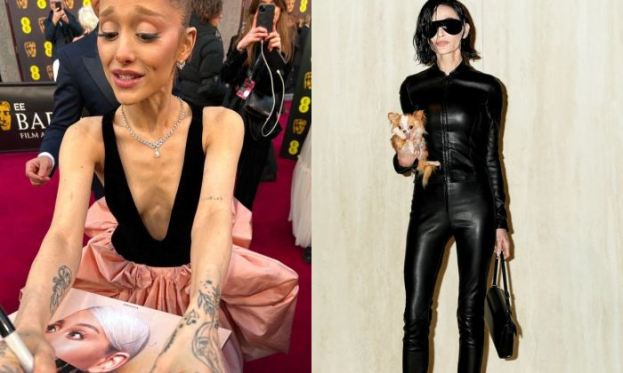
Director and screenwriter Chloe Wallace recently sparked social media conversations following the Oscars by criticizing the resurgence of extreme thinness as a beauty standard, according to El Pais.
“Every red carpet, every event, every time I open Instagram—they’re thinner than last week… it’s like an invisible contest everyone is competing in,” Wallace wrote.
Previously, the pursuit of thinness was overt: calorie counting, strict diets, and fasting. Today, it hides behind the guise of health. “Now it’s weekly injections that suppress hunger. Thinness has become capital again. This isn’t aesthetics—it’s politics. And the most insidious part is it’s presented as health and well-being,” she warned.
The post went viral, garnering tens of thousands of likes, comments, and shares. Experts have long raised alarms: the “heroin chic” aesthetic of the 1990s is returning, now amplified by social media and cloaked in the language of health and wellness.
“Heroin Chic” in the 21st Century
According to nutritionist Azahara Nieto, there were periods of “neutral body” aesthetics when societal pressure to meet beauty standards was lower. Today, thinness is back—and it “hides behind health.”
Dietitian Violeta Moise notes that “heroin chic used to be provocative and aesthetic.” “Now it’s more sophisticated: wellness, discipline, and body optimization.”
Social media intensifies this pressure, increasing mental health risks and contributing to eating disorders. “Recovery in a society that glorifies extreme thinness is extremely challenging,” Nieto emphasizes.
The Role of Medications and the “Ozempic Effect”
Experts also point to the growing popularity of appetite-suppressing drugs like Ozempic, which can help users lose 15–25% of body weight. Despite their medical purpose, they are often used for aesthetic thinness. Celebrity campaigns, such as those featuring Serena Williams, highlight beauty over health.
Endocrinologist Andrea Chiudin warns of risks: high doses and unsupervised use can lead to malnutrition and complications. With falling prices and expiring patents, uncontrolled use—and the potential rise in eating disorders—could increase.
Thinness as Status and Control
Moise stresses that “body ideals reflect social values: control, discipline, productivity, conformity.” Philosopher Magdalena Pineiro adds that the return of extreme thinness is a reaction to the body-positive movement. Thinness is now framed as a symbol of status, success, and moral superiority.
Nieto notes, “In the past, people told you you were fat; now they say you have inflammation.” Under the guise of health and fitness, a strict system of body control emerges: what you can eat, what you can’t, what’s good, what’s bad.
Extreme thinness disguised as health leads to frustration, health problems, and rising eating disorders among young people. Pineiro urges critical thinking about the idea of “health through hunger and pharmaceuticals”: “Equating thinness with health is a mistake, especially when many people become sick trying to reach imposed beauty ideals.”
Follow NEWS.am STYLE on Facebook, Twitter and Instagram

- ‘Angry Birds’ for Intimate Muscles: An Unusual Video Game Designed for Women Traditional video games, in which characters are controlled by moving your fingers, are becoming a thing of the past. Now, virtual characters can be controlled using the pelvic floor muscles. The Perifit Care+ device turns Kegel exercises into a smartphone game, helping women train their intimate muscles while monitoring whether they are performing the exercises correctly...
- A Simple Bedtime Habit Could Help You Lose Weight Going to bed earlier may be associated with weight loss in people with prediabetes. According to a new study, every hour earlier participants went to bed was linked to approximately 590 grams of weight loss over eight weeks. However, researchers stress that the findings do not prove that changing sleep habits alone leads to weight loss...
- Boxers or Briefs? Scientists Investigate How Men’s Underwear May Affect Sexual Health Men concerned about their reproductive health may want to take another look inside their underwear drawers. A large-scale study involving 27,000 men has found an association between wearing tight-fitting underwear, poorer sperm quality and sexual dysfunction. However, researchers stress that whether loose-fitting boxers actually improve a man's chances of conceiving a child remains an open question...
- Diet Soda or Water: Study Reveals Which Drink Is More Effective for Weight Loss Sugar-free soft drinks may be just as effective as plain water for weight loss, according to researchers at the University of Liverpool in the UK. Their conclusion is based on a two-year randomized trial involving nearly 500 people who were overweight or living with obesity...
- Your Smartphone Could Be Stealing Years of Your Life: Scientists Warn of the Consequences of Endless Scrolling Spending hours scrolling through social media may have far more serious consequences for health than previously thought. According to a major scientific review, excessive screen use is linked to millions of years of life lived with mental health disorders...




-
16:28, November 27
Vintage Perfumes Are Back in Fashion: Five Iconic Fragrances That Make Perfect New Year Gifts -
15:46, November 27
Kanye West and Bianca Censori Are Set to Renew Their Wedding Vows -
15:21, November 27
“Too Old to Lose Weight”: Overweight Leopard Bao Bao Becomes a Social Media Star and Is Given a Lifetime Exemption From Dieting -
14:33, November 27
Alec Baldwin Claims US Authorities May Have Been Behind John F. Kennedy’s Assassination -
14:15, November 27
Brad Pitt Is Happy With Ines de Ramon but Has No Plans to Get Married -
13:12, November 27
Legendary Supermodel Veruschka Dies at 87: Icon of the 1960s Fashion Scene Passes Away -
12:44, November 27
Arnold Schwarzenegger Shops for Christmas Gifts All Year Round: The Actor Personally Picks Out Presents for His Children, Grandchildren and Girlfriend -
12:19, November 27
Travis Barker Opens Up About Married Life With Kourtney Kardashian: “I Barely See Her” -
11:38, November 27
Gérard Depardieu to Face Rape Trial Again as Actor Faces Up to 20 Years in Prison -
11:18, November 27
Five Years Without Sex and a “Lavender Marriage”: Khloe Kardashian Considers Marrying a Gay Man -
10:30, November 27
“The French President Is the Third Wheel”: Emmanuel Macron Unexpectedly Crashes Katy Perry and Justin Trudeau’s Romantic Selfie -
23:01, November 26
Champagne, £3,000 Dior Bags and Theft from Lovers: Glamorous Con Artist Spent Years Swindling London’s Elite
All materials

@NEWSam_STYLE
@NEWSam_STYLE
- Archive