



NEWS.am STYLE

NEWS.am STYLE

NEWS.am STYLE

NEWS.am STYLE

NEWS.am STYLE

NEWS.am STYLE
NEWS.am STYLE

NEWS.am STYLE

NEWS.am STYLE

NEWS.am STYLE

The 23rd "Golden Apricot" Yerevan International Film Festival has kicked off

NEWS.am STYLE

NEWS.am STYLE

NEWS.am STYLE

NEWS.am STYLE

Nikos Vertis to perform in Armenia for the 3rd time at the invitation of “ACVA BUILDINGS”

NEWS.am STYLE

NEWS.am STYLE



The dark side of fine dining: A culture that’s hard to ignore
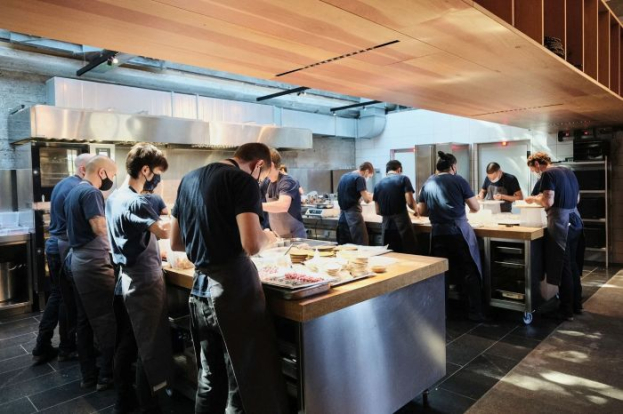
When René Redzepi apologized to staff for past behavior and announced a temporary leave from Noma, one of the world’s most acclaimed restaurants, it made headlines—but was anyone truly surprised?
Redzepi, a leading figure in the Danish foraging revolution, introduced the world to flavors gathered from forests and coastlines, transformed into delicate, innovative dishes, writes CNN. Yet in the era of “superstar” chefs celebrated for precision and passion, accusations of toxic behavior—The New York Times reported instances of staff being struck, poked with kitchen tools, and pinned against walls—reinforce long-standing stereotypes about Michelin-star kitchens.
Still, the industry’s reaction has been significant. Some chefs and industry insiders see this as a potential turning point: a long-overdue reassessment of a culture where discipline was often intertwined with abuse in the pursuit of culinary perfection.
Silence and Toxic Kitchens
Hassel Aviles, co-founder of Not 9 to 5, emphasizes the importance of sharing these stories: “Silence gets us nowhere. That’s why it persisted for so long.”
In 2015, French chef Yannick Alléno denied allegations of staff abuse, while Tom Kitchen temporarily suspended staff after complaints of unacceptable behavior. The British chefs’ union has called on Michelin to reconsider awarding stars to restaurants with documented abuse.
Research shows that bullying and physical pressure in Michelin kitchens were often perceived as part of professional growth, with survivors treating the experience as a “badge of honor.”
“Chefs who didn’t suffer were considered incomplete members of the culinary community,” notes Robin Barrow, co-author of a study. One chef recalled having food thrown in his face after mistakes, and feeling nauseous before shifts, as if preparing for war.
Hierarchy and the Brigade System
The brigade de cuisine, structured by Auguste Escoffier, creates a power imbalance, enabling chefs to mistreat staff with few consequences.
“The idea of the brigade system is efficiency and order—but it has been used dangerously,” Aviles says.
Some chefs argue that harsh conditions are a choice and a necessary step toward mastery. Ali Day Daly notes that such experiences “contributed to professional and personal growth,” adding that “high-level skill rarely emerges from comfort.”
Pop Culture and Perception
The archetype of the strict, hot-tempered chef is reinforced by shows like Hell’s Kitchen with Gordon Ramsay, where millions laugh at behavior that in reality can be deeply harmful. Dramedy series The Bear also portrays the intense, sometimes traumatic life in kitchens, corroborated by culinary school graduates.
Shifts and Hope for Change
According to Chris Hall of the Burnt Chef Project, the industry is gradually evolving. Conversations about psychological and physical abuse on kitchens are more common, and the culture of fear and rigid rules is increasingly seen as unacceptable.
English chef Simon Rogan affirms: “Those times are over—and rightly so.” Yet the pressures of fine dining remain: Michelin stars, global rankings, and economic conditions still demand precision and control.
Aviles stresses that change must be systemic: “We need to rethink the brigade system and work at the industry level—not just in individual restaurants or with individual chefs.”
Redzepi’s decision to step aside is the first instance of a chef acknowledging mistakes and taking action. But accountability remains a question: an apology does not dismantle the structures that enabled such behavior.
The future of fine dining may depend less on individual chefs and more on the systems that continue to reward them.
Follow NEWS.am STYLE on Facebook, Twitter and Instagram

- “God Showed Me Something Incredible”: Artist Who Painted Jesus at Eight Reveals the Mystery Behind Her Disappearance American artist Akiane Kramarik, who rose to fame for painting a portrait of Jesus Christ at the age of eight, claims she experienced an extraordinary spiritual encounter as a child. According to the artist, when she was five, she disappeared for nearly seven hours while her family, neighbors and police searched for her throughout the area...
- New York’s Most Haunted Borough: A Deadly Plague Quarantine and Mansions Haunted by Ghosts On Staten Island, often described as New York City’s most haunted borough, abandoned hospitals, historic forts and a mansion with a bloody Mafia past stand side by side. Experts trace the island’s eerie reputation to its dark history, although many ghost stories remain unsubstantiated legends...
- The World’s “Most Beautiful Village” Has Turned Into Disneyland: Tourists Picnic in Private Gardens and Walk Into Homes Uninvited Residents of the English village of Bibury are fed up with the influx of tourists who behave as though they have arrived at a theme park. During peak season, up to 20,000 people a day descend on the village, despite its permanent population of just 600. Some locals have had enough and are considering moving away, the Daily Mail reports...
- Queen Camilla Declares War on New York Over Winnie-the-Pooh A transatlantic row has erupted over the fate of the original stuffed Winnie-the-Pooh and his friends Piglet, Tigger, Eeyore and Kanga. According to the New York Post, Queen Camilla wants the beloved toys to return to their British homeland, at least temporarily. But the New York Public Library is firmly opposed to letting them go...
- Men Reveal the Part of a Woman’s Body That Drives Them Wild Men have admitted that they find women’s necks particularly attractive — a sensitive area that is often overlooked. According to sexologists, its appeal lies not only in touches and kisses, but also in the sense of intimacy, vulnerability and trust between partners...




-
22:22, October 21
“God Showed Me Something Incredible”: Artist Who Painted Jesus at Eight Reveals the Mystery Behind Her Disappearance -
21:21, October 21
New York’s Most Haunted Borough: A Deadly Plague Quarantine and Mansions Haunted by Ghosts -
20:31, October 21
“Fashion Can Be a Way to Introduce Armenia to the World”: Stella Manferdini, Fashion Editor at Harper’s Bazaar Italia and ELLE Italia -
19:28, October 21
The World’s “Most Beautiful Village” Has Turned Into Disneyland: Tourists Picnic in Private Gardens and Walk Into Homes Uninvited -
16:32, October 21
Naked Corsets Take Over the Red Carpet: Which Stars Turned Nudity Into Art — and Who Went Too Far? -
15:28, October 21
Queen Camilla Declares War on New York Over Winnie-the-Pooh -
14:41, October 21
Wealth Has Become a Curse: Why Warren Buffett’s Heirs Don’t Know What to Do With $150 Billion -
14:15, October 21
“Meghan Is Taking Away His Last Hope”: Prince Harry Reportedly Devastated by Wife’s Decision to Spend Christmas in the US -
13:22, October 21
Sam Altman’s Sister Accused the Billionaire of Childhood Sexual Abuse — Court Dismisses Her Lawsuit -
12:50, October 21
Kate Middleton Stuns in Elie Saab Gown and Favorite Tiara at King Charles III’s State Banquet -
12:33, October 21
Dwayne Johnson Is Unrecognizable on the Set of His New Movie -
11:52, October 21
“It’s Not Reconciliation, It’s a Challenge”: Prince Harry Accused of Making His Rift With the Royal Family Even Worse
All materials

@NEWSam_STYLE
@NEWSam_STYLE
- Archive