



NEWS.am STYLE

NEWS.am STYLE

NEWS.am STYLE

NEWS.am STYLE

NEWS.am STYLE

NEWS.am STYLE
NEWS.am STYLE

NEWS.am STYLE
NEWS.am STYLE

NEWS.am STYLE

The 23rd "Golden Apricot" Yerevan International Film Festival has kicked off

NEWS.am STYLE
NEWS.am STYLE

NEWS.am STYLE
NEWS.am STYLE

Nikos Vertis to perform in Armenia for the 3rd time at the invitation of “ACVA BUILDINGS”

NEWS.am STYLE

NEWS.am STYLE



Armani and Gucci: Luxury reimagined through gastronomy in Tokyo
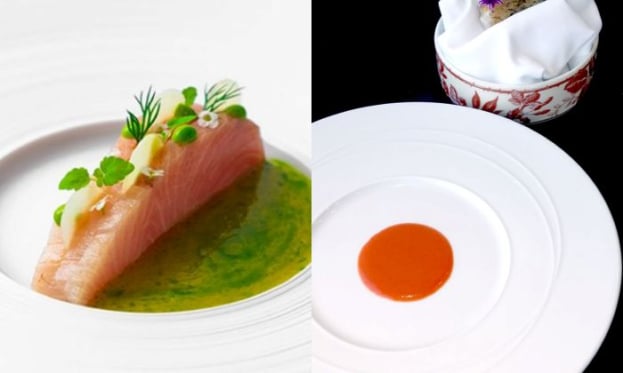
Italian elegance, shaped by Japanese ingredients, is being reinterpreted through the work of two distinctly different chefs in Tokyo — where high fashion and haute cuisine increasingly intersect.
In the Japanese capital, a growing number of restaurants are operated by luxury fashion houses. Among them are ARMANI / RISTORANTE and Gucci Osteria da Massimo Bottura Tokyo. Both venues offer Italian cuisine filtered through Japanese sensibilities, signalling a new wave of culinary experimentation where design philosophy extends beyond clothing into fine dining. The Michelin Guide explores two restaurants that each, in their own way, embody the idea of Italian elegance.
ARMANI / RISTORANTE
The late Giorgio Armani, often referred to as the “Emperor of Fashion,” revolutionised tailoring with the introduction of the unstructured jacket — a design that removed shoulder padding to create a lighter, more natural silhouette. His aesthetic has always been defined by minimalism and refinement.
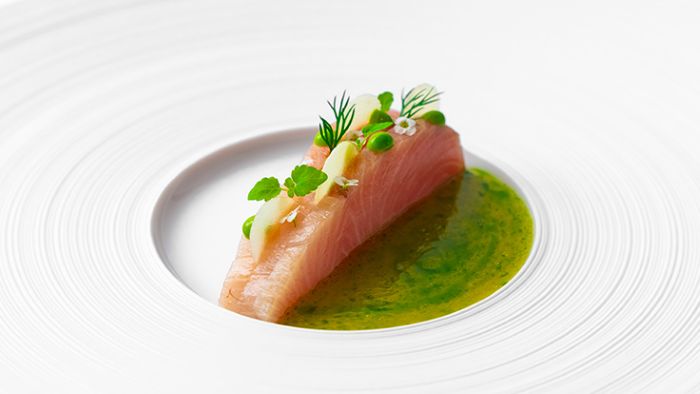
That same philosophy is translated into the culinary world at ARMANI / RISTORANTE in Tokyo, where executive chef Bruno Hiruma leads the kitchen. Born to a Japanese father and Spanish mother and raised in Spain, Hiruma developed an early appreciation for Mediterranean cuisine while maintaining a deep respect for Japanese ingredients, particularly seafood.
He arrived in Japan at the age of 18 and spent five years working in a French restaurant in Hakodate. Many of the fish suppliers he still works with today were first encountered during that period. He later became sous-chef at the Spanish restaurant Zurriola in Tokyo before joining Armani / Ristorante in 2021. Since December 2024, he has served as executive chef.
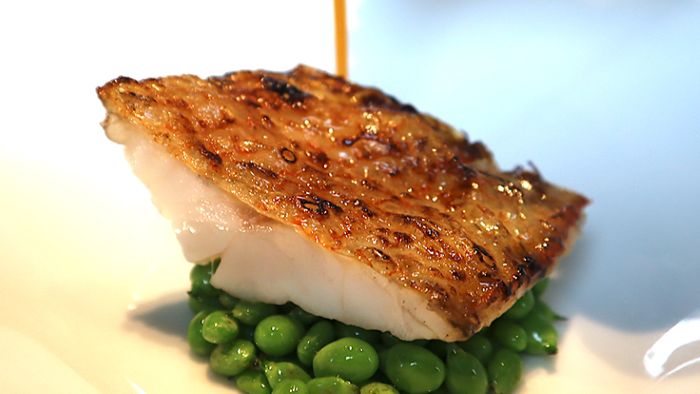
For Hiruma, communication is central to his craft. Fluent in Japanese, he regularly travels across the country to meet producers and is deeply influenced by Japan’s artisanal food culture, where subtle variations can transform the final dish.
His cooking appears deceptively simple, stripped of excess elements, yet it relies on precise control of temperature and texture. Each ingredient is treated individually to reveal its natural character and create moments of quiet discovery.
For example, wild fish used in main dishes varies significantly in fat content and moisture, requiring careful ageing and precise charcoal grilling at peak timing. The result is crisp skin, rich aroma, and melt-in-the-mouth texture. Hiruma prefers dishes to be served at their peak moment, noting: “I would be delighted if you could taste it as soon as it arrives at the table.”
This spring, the restaurant launches “47 Roots,” a project that merges Armani’s pursuit of timeless aesthetics with Hiruma’s focus on ingredients as the essence of flavour. The initiative explores Japan’s regional terroir, dedicating each quarter to one of the country’s 47 prefectures. It begins with Ehime Prefecture.
Gucci Osteria da Massimo Bottura Tokyo
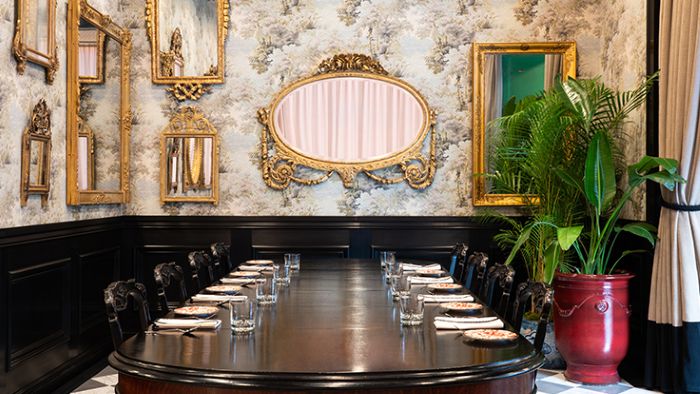
Gucci’s design philosophy has long centred on blending heritage with modernity — learning from the past to create the present. In the culinary world, this vision is embodied by executive chef Raffaella De Vita from southern Italy.
Inspired by Japanese minimalism, aesthetics, and artistic culture, De Vita moved to Japan in 2017. While studying the language, she worked in kitchens across the country. She became senior sous-chef at Gucci Osteria in 2022 and was appointed executive chef in spring 2025.
She describes her cuisine as emotional and nostalgic, rooted in memories of family meals, her grandmother’s cooking, and her travels across Italy. These personal experiences are transformed into carefully constructed culinary narratives.
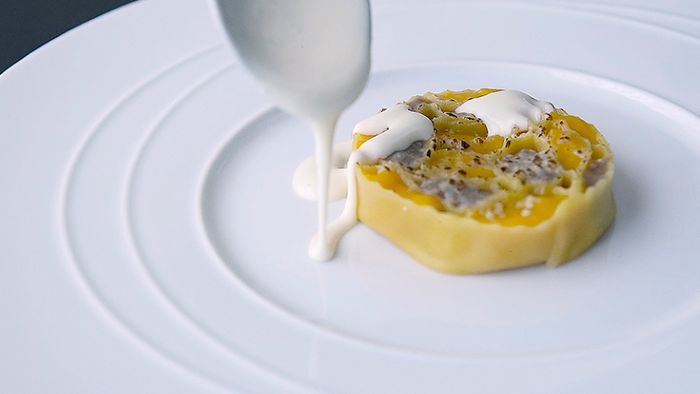
Like her mentor Massimo Bottura, De Vita has a strong connection to art. In everyday life she is understated, often dressed in black, but her dishes are vibrant and expressive. One of her signature creations, Cartellate, reinterprets a traditional southern Italian pastry in a visually striking, flower-like form with seasonal fillings.
For De Vita, the essence of cooking lies in the integrity of ingredients. She believes that honest food comes from honest producers, and that this authenticity directly shapes flavour. Her visits to rice farmers in Niigata — including participating in rice planting — deepened her respect for Japanese agriculture.
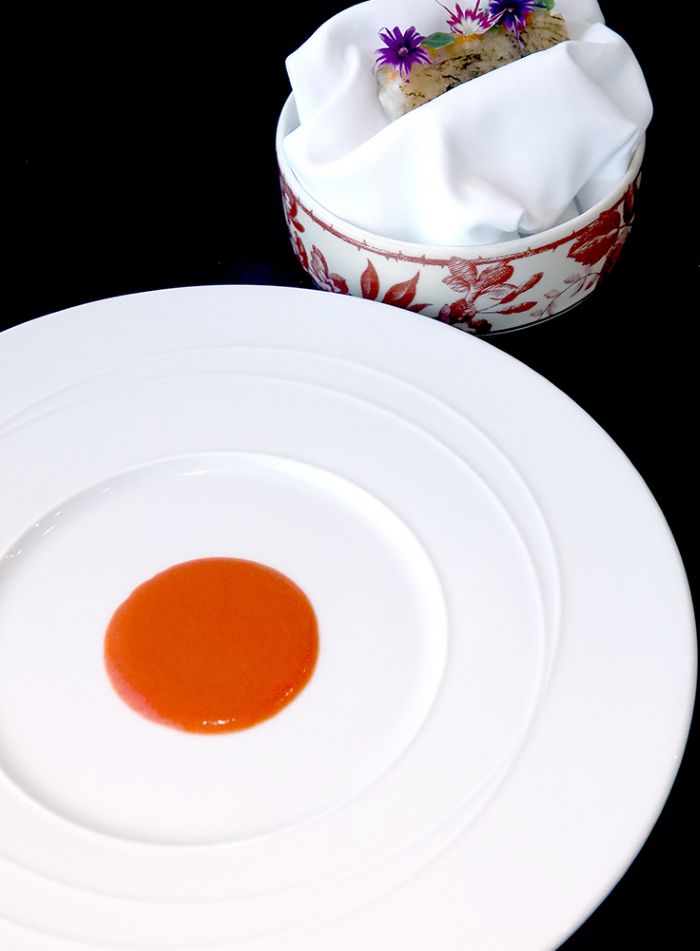
One of her most symbolic dishes, “Homage to Japan,” reflects this philosophy. It combines Italian culinary structure with Japanese symbolism: a red sauce inspired by the Japanese flag is served on a white plate alongside seafood and elements referencing southern Italy.
She aims to create a recognisable culinary identity at first glance, believing that strong visual storytelling combined with emotional depth can move diners beyond taste alone.
Two visions of the same elegance
Bruno Hiruma expresses elegance through restraint, clarity, and purity of form, highlighting the natural qualities of ingredients. Raffaella De Vita, by contrast, embraces colour, emotion, and visual intensity.
Both chefs interpret Italian elegance through different lenses, united by their connection to Japan and deep respect for its ingredients. In Tokyo, Italian cuisine continues to evolve within a Japanese context, enriching the city’s already dynamic gastronomic landscape.
Follow NEWS.am STYLE on Facebook, Twitter and Instagram

- “God Showed Me Something Incredible”: Artist Who Painted Jesus at Eight Reveals the Mystery Behind Her Disappearance American artist Akiane Kramarik, who rose to fame for painting a portrait of Jesus Christ at the age of eight, claims she experienced an extraordinary spiritual encounter as a child. According to the artist, when she was five, she disappeared for nearly seven hours while her family, neighbors and police searched for her throughout the area...
- New York’s Most Haunted Borough: A Deadly Plague Quarantine and Mansions Haunted by Ghosts On Staten Island, often described as New York City’s most haunted borough, abandoned hospitals, historic forts and a mansion with a bloody Mafia past stand side by side. Experts trace the island’s eerie reputation to its dark history, although many ghost stories remain unsubstantiated legends...
- The World’s “Most Beautiful Village” Has Turned Into Disneyland: Tourists Picnic in Private Gardens and Walk Into Homes Uninvited Residents of the English village of Bibury are fed up with the influx of tourists who behave as though they have arrived at a theme park. During peak season, up to 20,000 people a day descend on the village, despite its permanent population of just 600. Some locals have had enough and are considering moving away, the Daily Mail reports...
- Queen Camilla Declares War on New York Over Winnie-the-Pooh A transatlantic row has erupted over the fate of the original stuffed Winnie-the-Pooh and his friends Piglet, Tigger, Eeyore and Kanga. According to the New York Post, Queen Camilla wants the beloved toys to return to their British homeland, at least temporarily. But the New York Public Library is firmly opposed to letting them go...
- Men Reveal the Part of a Woman’s Body That Drives Them Wild Men have admitted that they find women’s necks particularly attractive — a sensitive area that is often overlooked. According to sexologists, its appeal lies not only in touches and kisses, but also in the sense of intimacy, vulnerability and trust between partners...




-
22:22, October 21
“God Showed Me Something Incredible”: Artist Who Painted Jesus at Eight Reveals the Mystery Behind Her Disappearance -
21:21, October 21
New York’s Most Haunted Borough: A Deadly Plague Quarantine and Mansions Haunted by Ghosts -
20:31, October 21
“Fashion Can Be a Way to Introduce Armenia to the World”: Stella Manferdini, Fashion Editor at Harper’s Bazaar Italia and ELLE Italia -
19:28, October 21
The World’s “Most Beautiful Village” Has Turned Into Disneyland: Tourists Picnic in Private Gardens and Walk Into Homes Uninvited -
16:32, October 21
Naked Corsets Take Over the Red Carpet: Which Stars Turned Nudity Into Art — and Who Went Too Far? -
15:28, October 21
Queen Camilla Declares War on New York Over Winnie-the-Pooh -
14:41, October 21
Wealth Has Become a Curse: Why Warren Buffett’s Heirs Don’t Know What to Do With $150 Billion -
14:15, October 21
“Meghan Is Taking Away His Last Hope”: Prince Harry Reportedly Devastated by Wife’s Decision to Spend Christmas in the US -
13:22, October 21
Sam Altman’s Sister Accused the Billionaire of Childhood Sexual Abuse — Court Dismisses Her Lawsuit -
12:50, October 21
Kate Middleton Stuns in Elie Saab Gown and Favorite Tiara at King Charles III’s State Banquet -
12:33, October 21
Dwayne Johnson Is Unrecognizable on the Set of His New Movie -
11:52, October 21
“It’s Not Reconciliation, It’s a Challenge”: Prince Harry Accused of Making His Rift With the Royal Family Even Worse
All materials

@NEWSam_STYLE
@NEWSam_STYLE
- Archive