NEWS.am STYLE

NEWS.am STYLE

NEWS.am STYLE

NEWS.am STYLE

The 23rd "Golden Apricot" Yerevan International Film Festival has kicked off

NEWS.am STYLE

NEWS.am STYLE

NEWS.am STYLE

NEWS.am STYLE
Nikos Vertis to perform in Armenia for the 3rd time at the invitation of “ACVA BUILDINGS”

NEWS.am STYLE

NEWS.am STYLE

NEWS.am STYLE

NEWS.am STYLE

NEWS.am STYLE

NEWS.am STYLE
NEWS.am STYLE
NEWS.am STYLE

The “Wine Oscars” in Yerevan: how international wine experts discovered Armenia — and were amazed by it

19:30, May 25
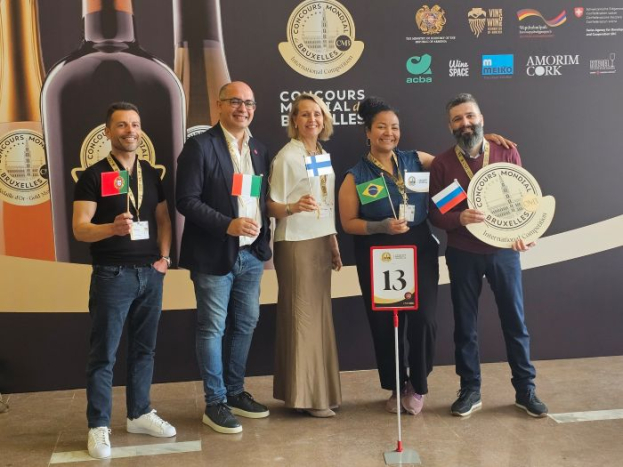
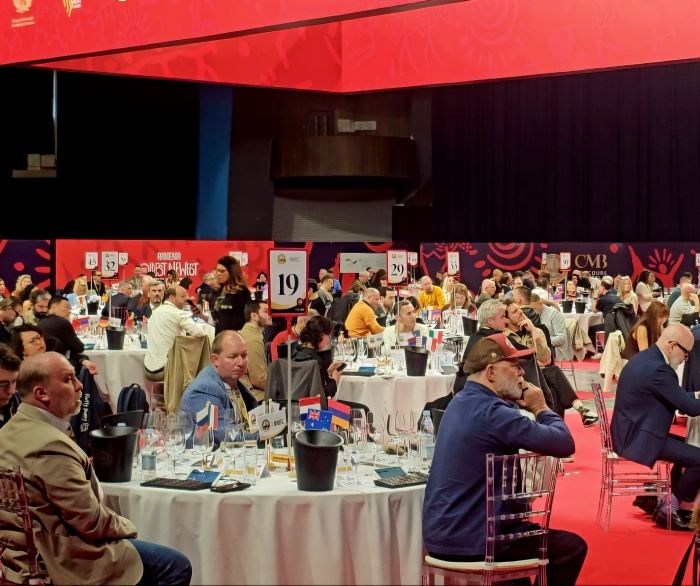
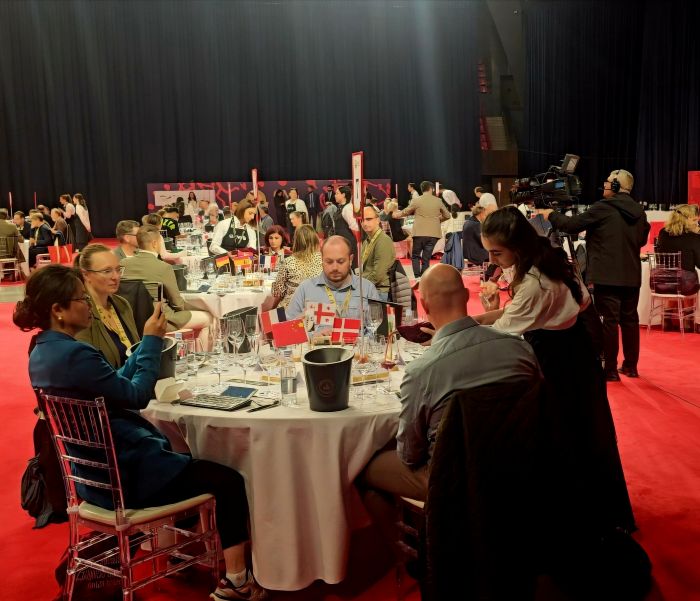
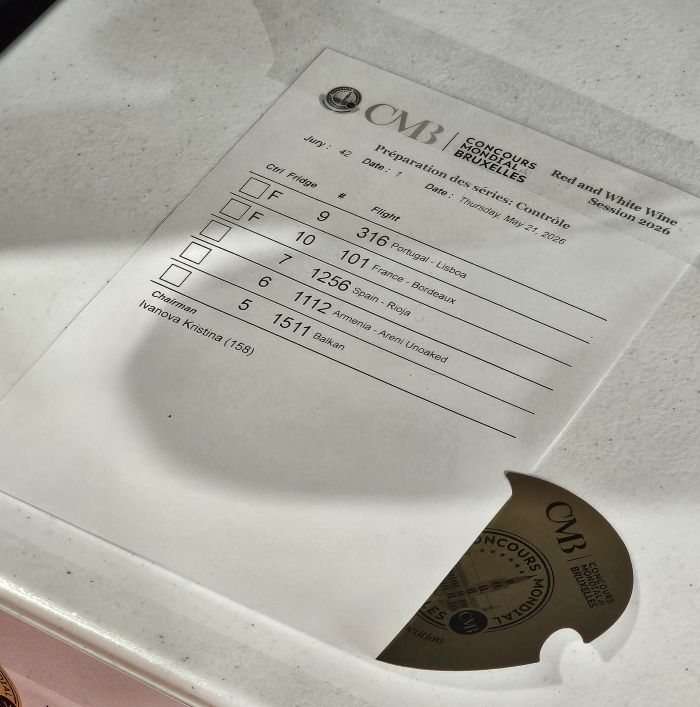
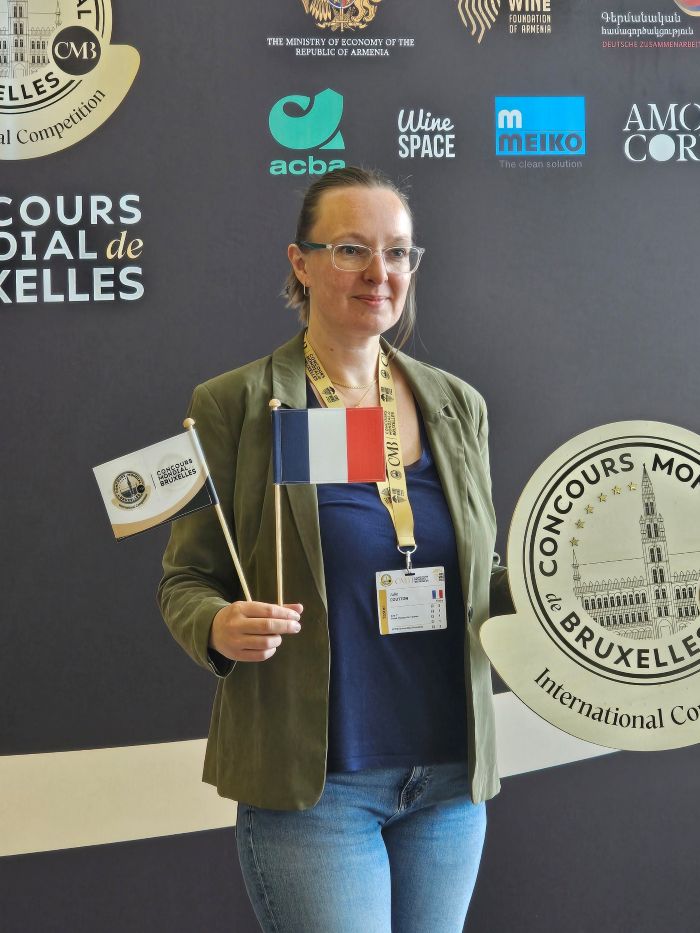
For the first time in history, the Concours Mondial de Bruxelles — one of the world’s most influential and prestigious wine competitions, often referred to in the industry as the “Wine Oscars” — was held in Armenia. NEWS.am STYLE did not miss the opportunity to speak with international experts, journalists, sommeliers, and winemakers who came to Yerevan to evaluate the world’s best wines — and ended up captivated by Armenia itself.
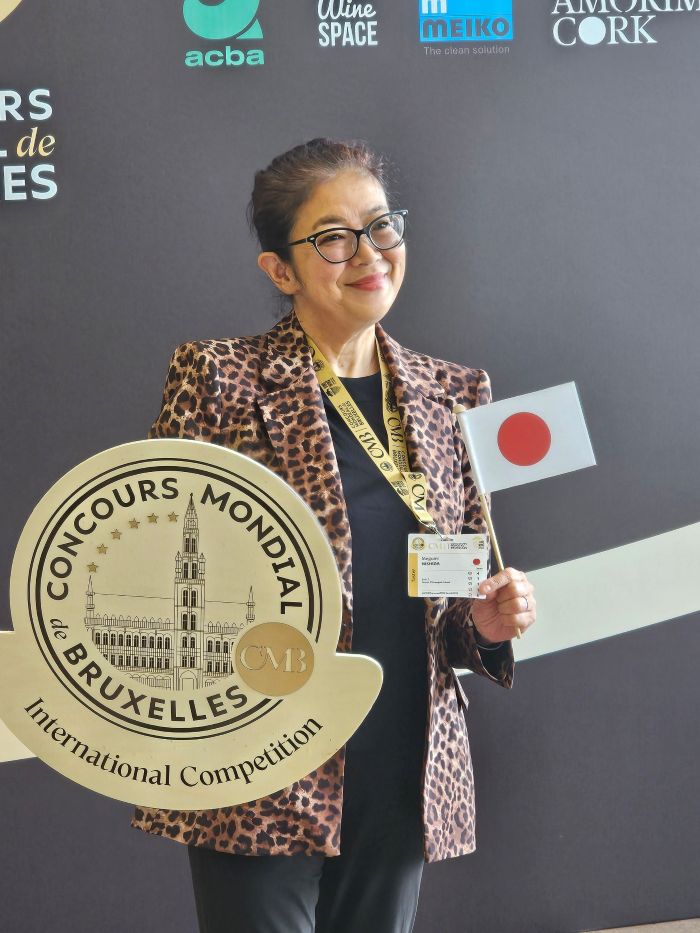
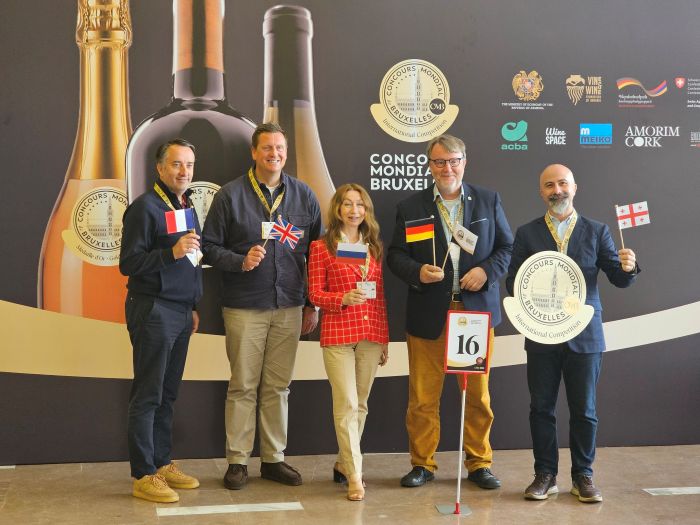
More than 320 tasters from 56 countries, nearly 7,700 wines from 51 countries, ancient wineries, volcanic terroirs, endless conversations about Sev Areni and Voskehat, and trips to Areni, Noravank, and Armenian wineries — for several days, Yerevan truly became one of the key points on the global wine map.

For Armenia, this was far more than just a prestigious international event. The country, home to the Areni-1 cave winery — the world’s oldest known winemaking site, dating back more than 6,100 years — found itself at the center of attention of people who shape the global wine market: those who buy wines, write about them, define trends, and decide what ends up in restaurant glasses around the world.

конв.jpg (96 KB)

It is no coincidence that the president of the competition, Baudouin Havaux, called hosting the CMB in Armenia “an obvious choice.” “The region where Armenia is located is one of the cradles of winemaking history, as well as a land of the future, driven by a new generation of winemakers who combine tradition and innovation,” he noted.

One of the most emotional voices about Armenia came from jury member, entrepreneur, and wine expert from Bordeaux, Chinedu Rita Rosa. Rosa is the first Nigerian woman to found a wine export consulting company in France and now works at the intersection of the European and African wine markets.

This was her first visit to Armenia — and she appeared to leave with a completely different perception of the country.

“Many of us in France or in the West know Armenians, and may know Armenian brandy, but we don’t drink Armenian wines. We simply haven’t tried them. This was a huge opportunity for the country to show what it can do. We saw magnificent wineries — truly magnificent — with the highest level of technology, everything up to global standards. And some wines were simply astonishing. But the most beautiful thing was the people — their hospitality and the way we were welcomed. Mothers cooking food and coffee for us… I think the world needs to see Armenia more often,” she told NEWS.am STYLE.

Rosa was especially impressed by how Armenia connects ancient history with modern winemaking.

“For the wine industry, it is very important to recognize that Armenia is literally at the forefront of wine history, especially when we talk about amphorae. We are talking about the oldest amphorae ever discovered, and yet modern wines are being produced here. Above all, these incredibly ancient amphorae — things we had never seen before. And the grape varieties here are so different from what we are used to,” she said.

конв2.jpg (63 KB)

Almost all guests spoke about the dual nature of Armenian winemaking — its antiquity and its unexpected modernity.

Japanese wine journalist and CMB jury member Megumi Nishida had previously visited Georgia, but this was her first trip to Armenia — and she was genuinely impressed by how vineyards are managed here.

“You have excellent old vineyards, and most importantly, you preserve them… If we compare Georgia and Armenia, in Georgia they actively use qvevri, so the taste of the wine is often defined by that method. Here in Armenia, the approach is different — I would say more classical. They respect terroir and grape variety characteristics. When there is too much focus on qvevri, terroir and varietal character can be lost. In Armenia, I think a very good balance has been achieved,” she said.

For a representative of the British distribution company Luma Monterio, Armenia was a true revelation.

конв3.jpg (80 KB)

“Honestly, I didn’t know Armenia was so strong in winemaking. Outside the country, we usually only hear that winemaking here goes back thousands of years. But I was truly surprised when I visited the Areni-1 cave and learned that the winery there is over six thousand years old. The wines were also a big surprise for me. I didn’t know these grape varieties before, but the wines made from them were very good — elegant, well-made wines. It is clear that you really know what you are doing,” she said.

Sommelier and importer Lee Berger also did not hide his emotions: “I am absolutely delighted, truly impressed. You have everything — soil, altitude, people. We tasted several wines, and some of them were really excellent. But I believe the potential here is even greater. One of the reasons the Concours Mondial de Bruxelles is so influential is the strong composition of its tasting panels. Many competitions include only journalists, but here there is a good balance of specialists from different fields, and that is very important.”

Perhaps the most emotional reactions came from Armenian specialists themselves.

Sommelier Mariam Saghatelyan, often called Armenia’s “number one sommelier,” recalls first hearing about Armenia’s selection while in China’s Ningxia region.

конв4.jpg (71 KB)

“When it was announced that the event would be held in Armenia, we already knew in advance. But I still felt immense pride. And when it was officially announced, when everyone started applauding… it was an incredible feeling. In China, in Ningxia, we went on stage, raised the Armenian flag, and it was a moment of deep emotion and pride,” she said.

According to Saghatelyan, hosting the competition marked a turning point not only for the wine industry but also for the country’s image.

“This is a major victory for Armenia and for our entire sector. Tourism is also developing: people start talking about Armenia, they come, they get interested. When someone sees a Concours Mondial medal, they understand that this wine has been evaluated by trusted experts. It becomes a mark of quality — a seal of trust.”

конв5.jpg (66 KB)

Winemaker Alexander Arakelyan of Alexandrea Winery also speaks of a “rebirth of Armenian winemaking.”

“There was a period when our wine culture was somewhat overshadowed, constrained by certain limits. Now there is a real revival. We are rediscovering ourselves through new knowledge and modern approaches. Today we can prove that Armenia is a terroir where both our indigenous grape varieties and international varieties can be successfully developed,” he said.

According to Arakelyan, foreigners increasingly describe Armenian wines as “extraordinary.” “Many say Areni resembles Pinot Noir and Voskehat resembles Chardonnay. But these comparisons arise because people try to find familiar reference points. In reality, within a single grape variety, you can achieve a huge diversity of wine styles and quality.”

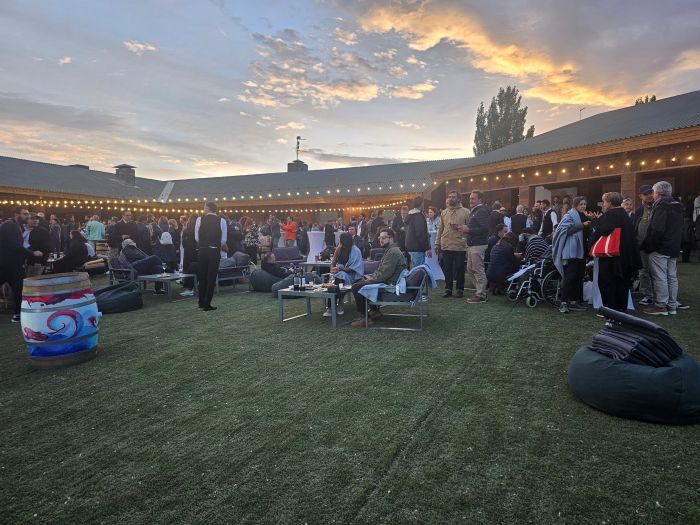
One of the key venues this year was Karas Wines, located in the Ararat Valley between Mount Ararat and Mount Aragats. For many international guests, it was there that Armenian wine revealed itself most vividly — alongside vineyard landscapes and the atmosphere of the valley.

конв6.jpg (93 KB)

Sales and marketing director Vardges Hoveyan noted: “Right now, Armenia has effectively become one of the most important points on the global wine map. All these people are here. They are amazed. Armenia has a very special level of hospitality. And I can say the opening ceremony and overall organization by the Wine Foundation were simply fantastic.”

конв7.jpg (78 KB)

In the end, the Concours Mondial de Bruxelles in Yerevan resulted in more than just tasting notes about Sev Areni, Voskehat, ancient amphorae, or volcanic soils. International experts left Armenia with a lasting impression — of a country that not only preserves its winemaking heritage, but confidently presents its ambitious future to the world.


Follow NEWS.am STYLE on Facebook, Twitter and Instagram


  • Related News


@NEWSam_STYLE

  • Archive
Search