


NEWS.am STYLE

NEWS.am STYLE

NEWS.am STYLE

NEWS.am STYLE

The 23rd "Golden Apricot" Yerevan International Film Festival has kicked off

NEWS.am STYLE

NEWS.am STYLE

NEWS.am STYLE

NEWS.am STYLE

Nikos Vertis to perform in Armenia for the 3rd time at the invitation of “ACVA BUILDINGS”

NEWS.am STYLE

NEWS.am STYLE

NEWS.am STYLE

NEWS.am STYLE

NEWS.am STYLE

NEWS.am STYLE

NEWS.am STYLE

NEWS.am STYLE



The new obsession of the ultra-rich: What is 'inheritourism' and why millionaires are ditching designer logos
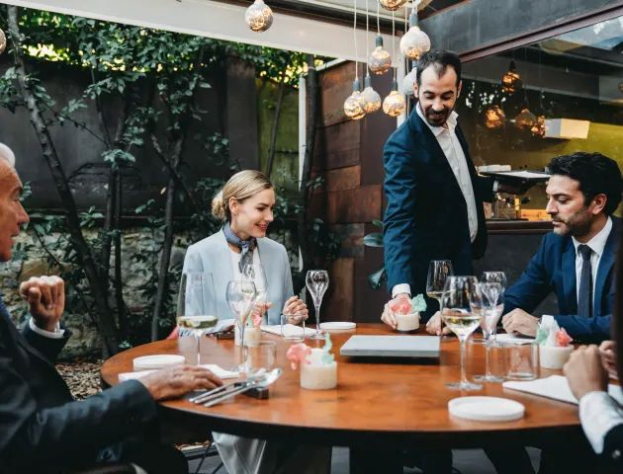
Luxury spending is poised for a rebound this year, but the market's primary catalyst won't be high-end merchandise. Instead, the affluent are hunting for unique experiences, CNBC reports.
Following a two-year downturn, global sales of personal luxury goods are projected to grow by 1% to 4% in 2026, reaching between €365 billion and €373 billion ($413.6 billion to $422.7 billion).
Geopolitical tensions in the Middle East continue to act as a headwind for retail sales. Dubai (UAE), which had been one of the world's fastest-growing luxury hubs prior to the escalation of conflict with Iran, relies heavily on tourism and has yet to show signs of a full recovery. The report notes that if the Middle East stabilizes and demand in China firms up, the luxury sector could see an even stronger trajectory.
Meanwhile, the United States has reclaimed the top spot for luxury sales growth for the first time since 2021. Experts attribute this resurgence to a comeback by "aspirational consumers"—middle-class shoppers seeking entry-level luxury items.
Time, Access, and Meaning Over Logos
Concurrently, the spending priorities of the ultra-wealthy are undergoing a radical transformation. Experiential spending—such as travel, private events, and fine dining—has taken center stage, eclipsing conspicuous consumption. While luxury goods sales are hovering at a modest 1% to 4% growth rate, the experiential sector is comfortably tracking toward a 3% to 7% increase. Bookings across fine dining, leisure, and entertainment have jumped nearly 30% this year. "Within experiential luxury, we are seeing remarkable resilience. Demand is concentrated in categories that offer what money can’t easily buy: time, unique access, and profound meaning," says Claudia D’Arpizio, a senior partner at Bain & Co. "Luxury is increasingly defined by how people live, not by what they own."
The Rise of 'Immersive Wayfaring' and Cruises
Among affluent travelers, appetite for non-traditional, less crowded destinations has surged by 20%. The concept of "immersive wayfaring" is rapidly gaining traction—customized, slower-paced journeys deeply rooted in exploring local traditions and hidden, off-the-beaten-path locations.
Analysts have also identified the emergence of a brand-new phenomenon: "inheritourism." This trend sees wealthy families traveling together as a multi-generational unit, with Gen Z children entirely adopting the high-end travel tastes and premium preferences of their parents.
Luxury sea cruises are experiencing a massive boom, attracting both loyal patrons and a significant influx of first-timers. In fine dining, a "less but better" philosophy now dominates, while the global fine art market is returning to growth after a period of stagnation. "Consumers aren't just spending more—they are spending differently, chasing moments that feel deeply personal and authentic," D’Arpizio concludes.
Follow NEWS.am STYLE on Facebook, Twitter and Instagram

- $28,000 Cognac Comes With Its Own Chilling Cellar: Louis XIII Unveils New Black Pearl Louis XIII has unveiled a new version of its legendary Black Pearl — an ultra-luxury cognac that comes with its own personal “chilling cellar.” Essentially, it is a sleek, high-tech mini refrigerator designed to keep the cognac at precisely 13°C — the temperature said to prevail in one of the cellars at Rémy Martin, according to Robb Report...
- British Woman Reclaims Guinness World Record by Devouring a Burrito in 30 Seconds Leah Shutkever, 36, from Birmingham, already held 42 records when she set her latest world-best time. Her previous achievements include eating a Domino’s pizza in under a minute and polishing off an entire chocolate orange in just 57 seconds...
- Nevada’s Famous Brothels Hit the Market for $33.9 Million Three of America’s most famous brothels are officially looking for a new owner...
- Hypocritical Millionaires vs. Billionaires: Hollywood’s New Trend For multimillionaire celebrities, publicly attacking billionaires has become a new way to demonstrate their supposedly “correct” political credentials, the New York Post writes...
- iPhone from 1937: A Nearly 90-Year-Old Painting Sparks a Bizarre Conspiracy Theory A nearly 90-year-old painting has sparked a furious online debate and given rise to a bizarre conspiracy theory, with social media users convinced that an Indigenous man depicted in the artwork is holding a modern-day smartphone, the New York Post reports...




-
21:36, September 10
‘The Birkin Is Dead’: Rich Women Furious at Influencers for Turning the Iconic Bag Into a Joke -
20:21, September 10
Record $1.87 Billion Divorce: South Korean Tycoon Gives Ex-Wife a Third of His Empire -
19:30, September 10
Maison Margiela Turns Fashion Into a Psychological Thriller -
16:26, September 10
$28,000 Cognac Comes With Its Own Chilling Cellar: Louis XIII Unveils New Black Pearl -
15:43, September 10
Celine and Reebok Team Up: Iconic Freestyle Lo Sneakers Get a Luxury Makeover -
15:23, September 10
Lily Collins Shows Off Her Figure in a Striking Swimsuit During French Getaway -
14:42, September 10
Cows, Gold Mines and $1: The Crazy Offers a Billionaire Is Getting for His “Island” -
14:20, September 10
“Even Dog Shit Deserves More Respect”: Elon Musk Brutally Slams Film About His Life -
13:33, September 10
“I’m Bored With It”: 68-Year-Old Sharon Stone Reveals She Has Been Living Without Sex for Years -
12:40, September 10
Sydney Sweeney Goes Naked and Covers Her Intimate Areas With Footballs — Fans Go Wild -
12:19, September 10
“Naked Audacity”: Bianca Censori Shocks the Public Again -
11:38, September 10
24-Year-Old Mukbang Star Dies After Extreme Eating
All materials

@NEWSam_STYLE
@NEWSam_STYLE
- Archive