



NEWS.am STYLE

NEWS.am STYLE

NEWS.am STYLE

NEWS.am STYLE
NEWS.am STYLE

NEWS.am STYLE

NEWS.am STYLE
NEWS.am STYLE

The 23rd "Golden Apricot" Yerevan International Film Festival has kicked off

NEWS.am STYLE
NEWS.am STYLE

NEWS.am STYLE

NEWS.am STYLE

Nikos Vertis to perform in Armenia for the 3rd time at the invitation of “ACVA BUILDINGS”

NEWS.am STYLE

NEWS.am STYLE

NEWS.am STYLE
NEWS.am STYLE


"Bring a Friend, Get $800": How Dubai Is Luring Tourists Back After Iranian Missile Strikes
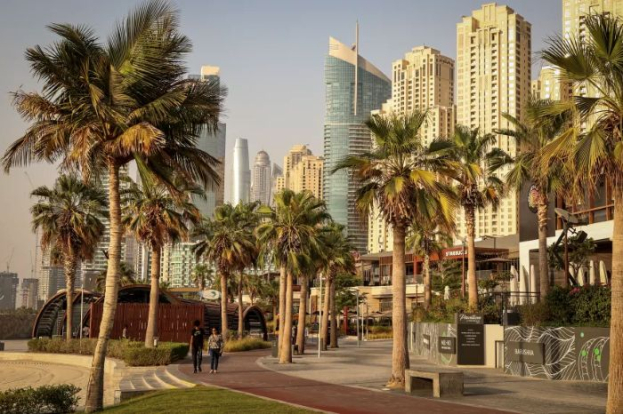
Dubai authorities have launched a new incentive program called "A Dubai Invite," which offers UAE residents and citizens reward packages worth up to 3,000 dirhams (around $816) in exchange for recommending that relatives and friends visit the emirate.
Earlier this year, Dubai was celebrating another record: in 2025, the city welcomed 19.59 million international visitors. However, after the emirate became the target of missile and drone attacks by Iran in March in retaliation for US and Israeli actions, the numbers plummeted. Hotel occupancy rates, which had held steady at 80%, dropped to a projected 10% in the following months.
Although most of the missiles were intercepted, the attacks affected landmark sites—including the five-star Fairmont The Palm resort and the Jumeirah Burj Al Arab hotel (which is currently closed for an 18-month restoration)—while Dubai International Airport temporarily suspended operations.
"This is Dubai’s ultimate nightmare, as its very essence depended on being a safe oasis in a troubled region," notes Cinzia Bianco, an expert on the Persian Gulf region at the European Council on Foreign Relations.
How Does "A Dubai Invite" Work? Launched in July, the initiative aims to reverse the trend through firsthand recommendations:
-
Individuals aged 18 and older with a valid UAE resident ID (Emirates ID) can nominate up to three guests for trips scheduled through October 31.
-
Nominated guests must be non-UAE residents, hold a valid tourist visa, and arrive "by air, sea, or road."
-
The program includes complimentary hotel stays and special dining offers.
In addition to this scheme, authorities have already abolished the nightly hotel tax for high-end properties and removed the 7% municipal fee on hotel and restaurant bills.
Even though the emirate's infrastructure has fully recovered and airports and hotels are operating normally, the main obstacle remains the reputational blow and travelers' psychological barriers. Several governments, including the United States, still maintain advisories recommending that citizens reconsider travel to the UAE. "International audiences often view the Middle East as one broad region rather than distinguishing between countries, and that perception naturally impacts travel decisions," explains Naim Maadad, founder and CEO of Gates Hospitality. "Today, the bigger challenge is psychological."
Follow NEWS.am STYLE on Facebook, Twitter and Instagram

- £20,000 ‘Madonna bra’ sculptures burned children: unusual artwork moved out of the sun An unusual £20,000 art installation that locals compared to Madonna’s iconic cone bra has been moved into the shade after complaints that its metal structures became scorching hot in the sun and could burn children, the Daily Mail reports...
- ‘They’ll Do Anything for Likes’: Influencers Accused of Photoshoot Beside Ambulance as Patient Was Being Treated It seems the race for viral content has reached a new level of absurdity...
- Dom Pérignon Teams Up with Damien Hirst as Iconic Champagne Becomes a Work of Art Dom Pérignon has teamed up with British artist Damien Hirst to create a special limited-edition collection for the end of 2026...
- “Cinematic, Cosmopolitan and Wonderful”: Vogue France Features a Dream Wedding in Armenia What happens when Armenian wedding traditions meet the cultures of Vietnam, Cambodia and China? Sara-Mae Ngo and Gevorg Ambartsumyan transformed their wedding into a cinematic story where family traditions, French fashion, the music of Charles Aznavour and Armenian culture came together. French Vogue has now chronicled their extraordinary celebration in detail...
- TikTok Star with Millions of Followers Admits She Has Never Read a Book Not so long ago, admitting that you hardly ever read would have been embarrassing. Today, however, a lack of interest in books seems to have become almost fashionable among some members of the younger generation — at least judging by the surprising confession of popular influencer Alix Earle...




-
17:34, October 3
Daniel Roseberry returns to Schiaparelli’s roots with daring collection featuring golden accents and bare breasts
-
16:14, October 3
£20,000 ‘Madonna bra’ sculptures burned children: unusual artwork moved out of the sun -
15:21, October 3
‘They’ll Do Anything for Likes’: Influencers Accused of Photoshoot Beside Ambulance as Patient Was Being Treated -
14:22, October 3
Tiffany Trump finds herself in an awkward situation over AI -
13:03, October 3
Kathleen Turner finally reacts to Michael Douglas’s confession about their secret affair: “What a fuss over something that happened 40 years ago!” -
12:18, October 3
Ben Affleck was reportedly set up with Shakira: actor says he is not looking for a new romance -
11:27, October 3
Ex-husband dismembered influencer’s body and boiled it with vegetables to mask the smell: shocking details of Abby Choi’s murder -
10:30, October 3
Elon Musk leaves the mother of four of his children: Shivon Zilis admits their split came as a shock -
23:01, October 2
Popular Weight-Loss Drugs Could Deprive the Brain of Energy, Expert Warns -
22:31, October 2
Erling Haaland Sues Airline Over His Famous Hairstyle -
21:22, October 2
Audemars Piguet Turns the Legendary Royal Oak into Luxurious Jewelry with Diamonds, Sapphires and Emeralds -
20:14, October 2
Pierpaolo Piccioli Reimagines Balenciaga with Couture Techniques, Bold Color and New Lightness
All materials

@NEWSam_STYLE
@NEWSam_STYLE
- Archive