



NEWS.am STYLE
NEWS.am STYLE
NEWS.am STYLE
NEWS.am STYLE

NEWS.am STYLE

NEWS.am STYLE
NEWS.am STYLE

NEWS.am STYLE
NEWS.am STYLE
NEWS.am STYLE
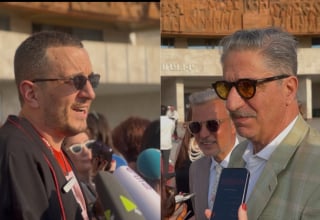
The 23rd "Golden Apricot" Yerevan International Film Festival has kicked off
NEWS.am STYLE
NEWS.am STYLE
NEWS.am STYLE
NEWS.am STYLE
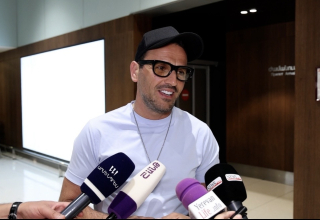
Nikos Vertis to perform in Armenia for the 3rd time at the invitation of “ACVA BUILDINGS”
NEWS.am STYLE
NEWS.am STYLE



There’s No Place Like Home: The Human Stories Behind Artsakh’s Tragedy Told in New Documentary Premiered in Yerevan
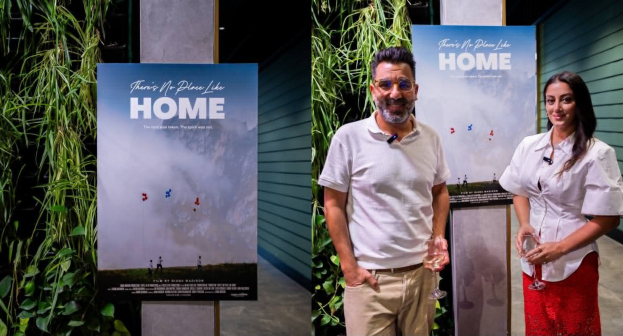
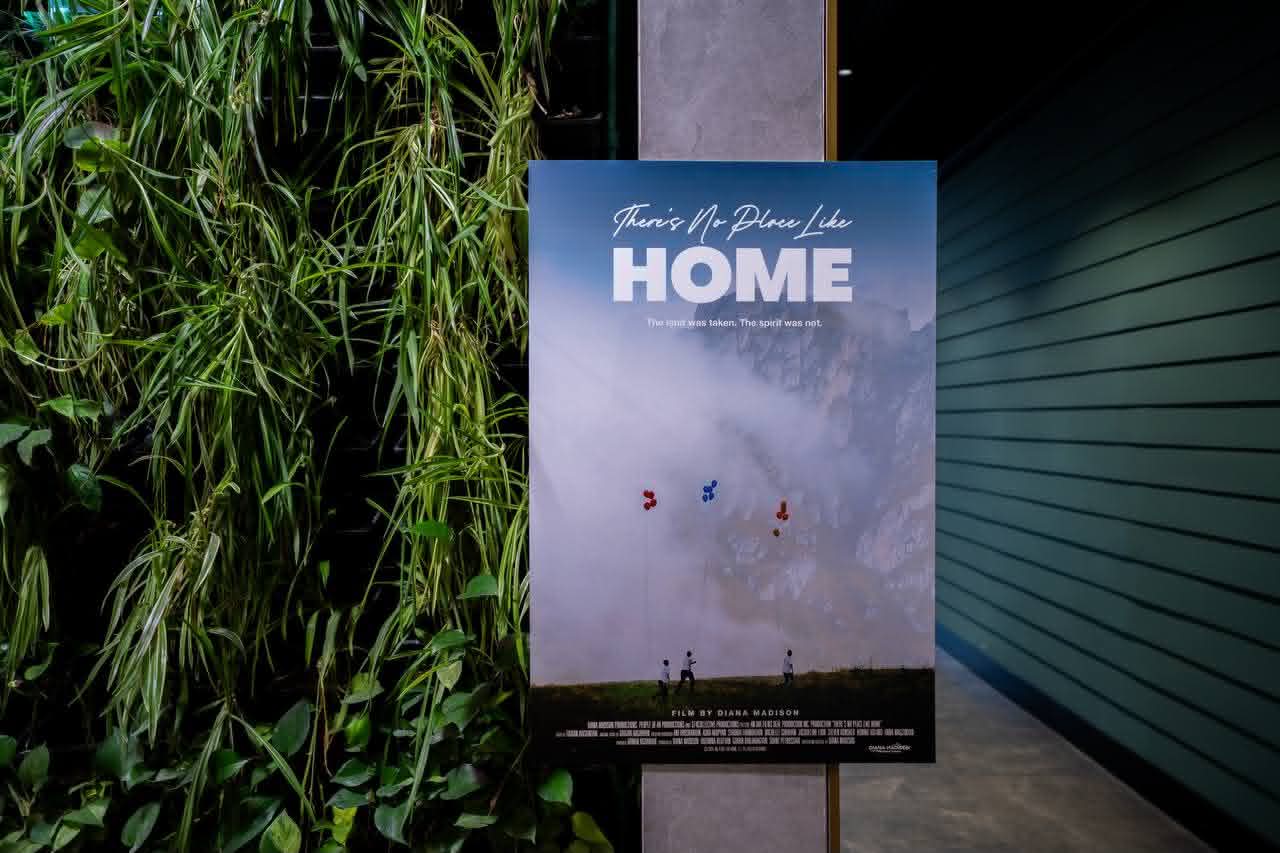
“There’s no place like home” is the message at the heart of Diana Madison’s documentary, a painful retrospective of Artsakh, lost after the 44-day war; the experiences of forcibly displaced Armenians; and the human destinies dramatically changed by a brutal turn of events—all unfolding before the eyes of the international community and the media.
What the international press failed to cover sufficiently, the producers of the documentary—director and producer Diana Madison, co-producers Gohar Khojabagyan, Shant Petrossian, and Ruzanna Kegeyan—have sought to bring to light.
The film explores the Artsakh conflict and blockade in detail, presenting these events through the eyes and stories of witnesses. Its protagonists include soldiers who gave their lives for their homeland, those who survived but suffered profound losses, and people who were deprived of their homeland and their homes—the place they believe can never be replaced, no matter how deeply the wounds may eventually heal. But will these wounds ever truly heal?
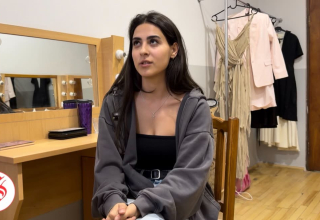
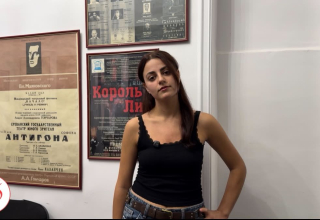
The private screening of the film in Yerevan took place on August 12, hosted by producer Gohar Khojabagyan and founder of 374 Collective. The event was attended by the people whose stories and experiences form the heart of the documentary. Many of them still could not hold back their tears while watching the film.
Gohar noted as she and Shant spoke with different people, they came to understand not only the profound pain they had endured, but also the importance of preserving their stories and culture for generations to come. For Gohar, the film was always intended to be more than a historical record—it was a way to use storytelling and culture to preserve Armenian identity, history and tradition. “I wanted the film to do more than document the truth and share these stories. I wanted it to help preserve and carry forward the culture behind them—the food, the music, the wine, the traditions, and the stories that make us who we are.” It was a natural extension of her longstanding mission to promote Armenian culture and ensure that, alongside the stories of what was lost, the richness of what endures was also preserved.
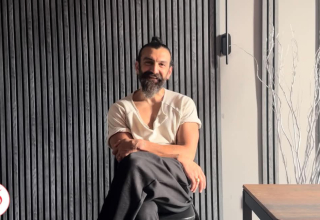
When Diana presented the idea for the documentary, Gohar, Shant, and Ruzanna immediately embraced the project. Shant Petrossian recalled that they began discussing different ideas and that he was particularly moved by the prospect of meeting people who had witnessed the events firsthand and were willing to share their stories.
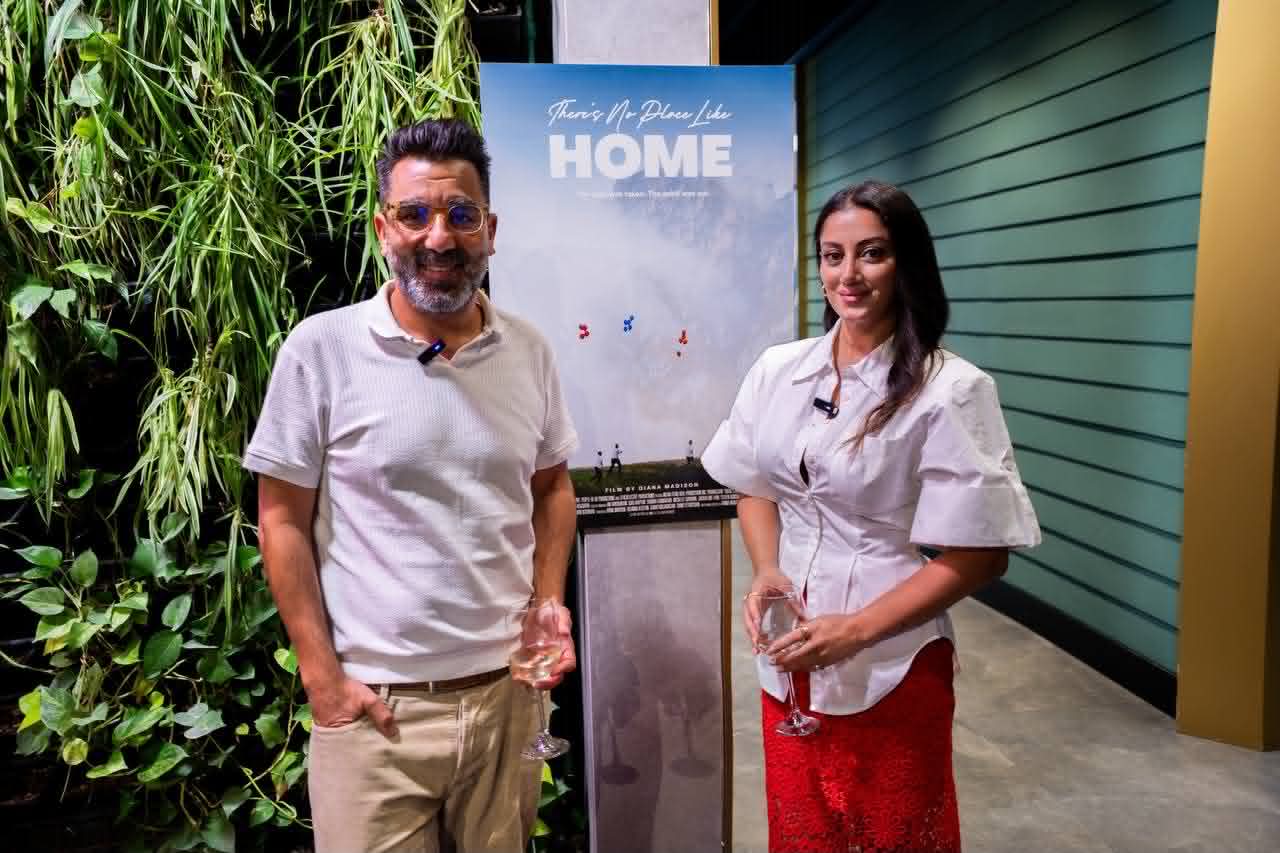
Gohar and Shan’t noted that despite the difficulty of revisiting their experiences, the people featured in the documentary agreed to make that difficult journey once again because these are stories and real events that should not only be passed down from generation to generation, but also heard by the international community—by people who remain unaware of the truth and of the cruel events that took place in Artsakh and affected its Armenian population.
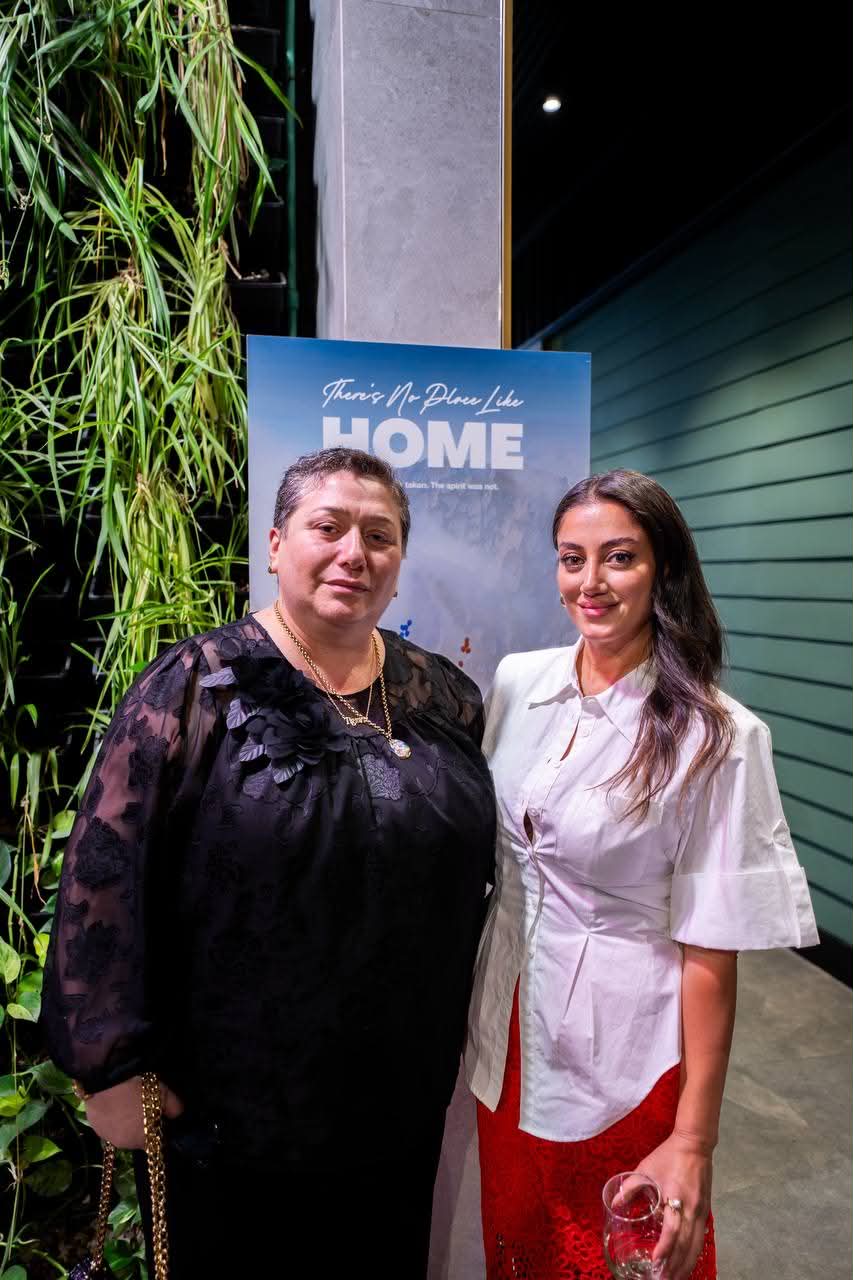
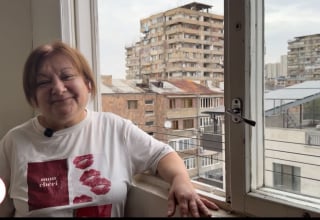
Adelina Avetisyan, the mother of Tigran Avetisyan, who became a hero during the 44-day Artsakh war, remembers the war that took her son, with profound pain. She speaks about him through tears, but also with immense pride. Adelina attaches great importance to initiatives that help tell the stories of Armenian heroes and keep their memory alive. Through these stories, she believes, the young men who gave their lives for their homeland will continue to live on and remind future generations of the unbreakable spirit of the Armenian people.
The film’s director, Diana Madison, was not present at the Yerevan screening, but addressed the audience through a video message. Madison welcomed the guests and once again expressed her gratitude to the people featured in the documentary for entrusting the filmmakers with their stories and for their willingness, despite the painful experiences, to revisit and share them once again.
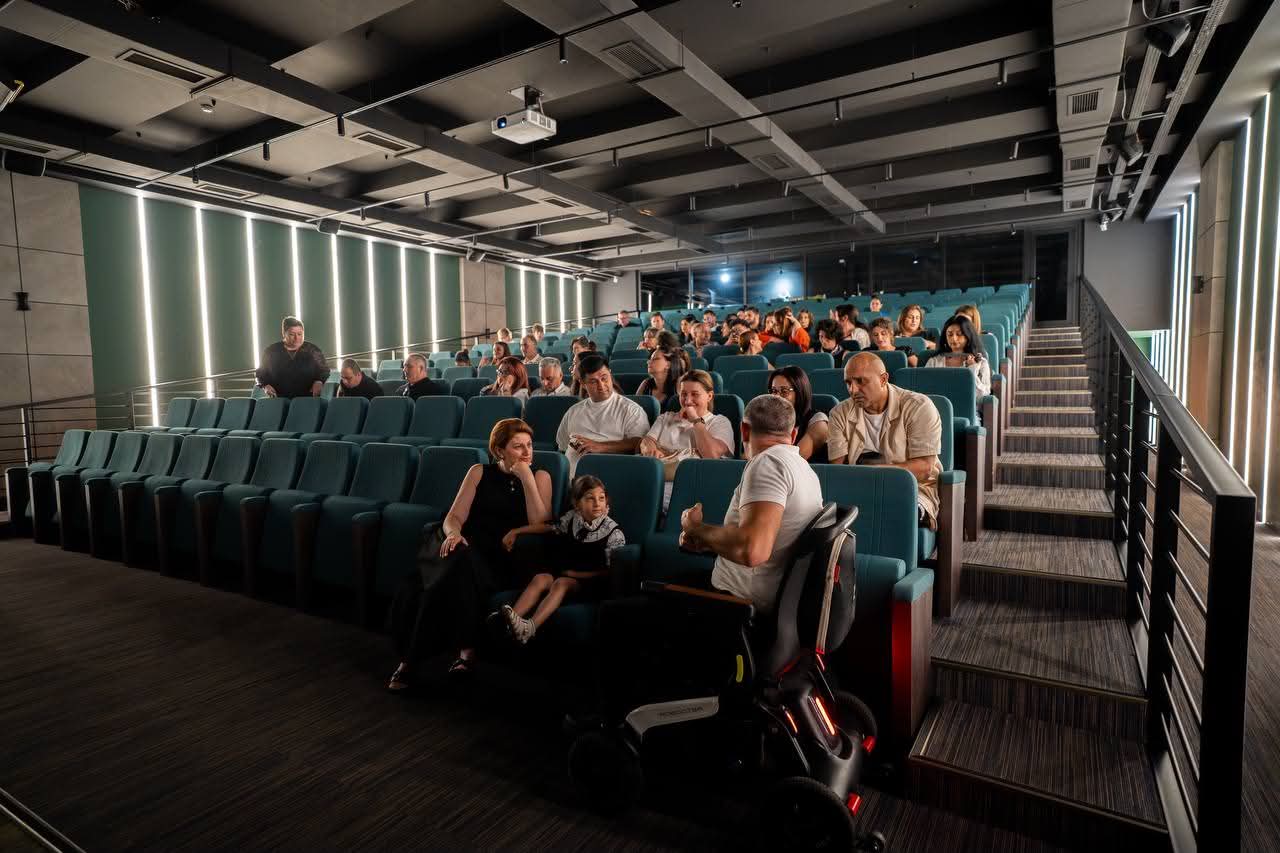
The filmmakers emphasize that their goal is for the international community and the wider world to see what happened in Artsakh, a place that has been the historical home of Armenians for generations.
Shant Petrossian noted that the story of Artsakh had not received sufficient coverage in the international media, and expressed hope that the documentary would help more people learn about it. He explained that the project’s goal is not only to inform and educate audiences, but also to keep the story alive, regardless of the outcome.
There is no place like home. And home will never be forgotten. It lives on in photographs, in the Artsakh dialect, in soil brought from the homeland, in the taste of zhengyalov hats (traditional Artsakh bread with greens), and in the cherished memories of those who will always call Artsakh their home.
Syune Arakelyan
Follow NEWS.am STYLE on Facebook, Twitter and Instagram

- Prince Harry Accused of Profiting from Princess Diana’s Death After Receiving $100,000 for Sharing Stories About His Mother Prince Harry has faced a fresh wave of criticism following the release of his online course about coping with grief...
- Elon Musk Cuts Monthly Payments to the Mother of His Son to $20,000 After She Speaks Publicly About Their Relationship Elon Musk has reduced monthly payments to Ashley St. Clair, the mother of one of his children, to $20,000 after she spoke publicly about their relationship...
- How to Preserve the Taste of Home on the Other Side of the World: French Publisher to Release Siblings Zarzavadjian’s Book on Armenian Diaspora Cuisine From Argentina and Lebanon to Australia and Japan, Armenian cuisine has long lived far beyond Armenia’s borders, evolving under the influence of new countries, ingredients and family stories...
- Mark Zuckerberg Buys 19th-Century Irish Castle for Tens of Millions of Dollars Meta founder Mark Zuckerberg and his wife, Priscilla Chan, have purchased a Gothic castle in Ireland...
- There’s No Place Like Home: The Human Stories Behind Artsakh’s Tragedy Told in New Documentary Premiered in Yerevan “There’s no place like home” is the message at the heart of Diana Madison’s documentary, a painful retrospective of Artsakh, lost after the 44-day war...




-
23:01, October 22
Dior at $800, Maison Francis Kurkdjian at $1,200: The Most Luxurious Advent Calendars of 2026 -
22:18, October 22
Outrage Over Inaccessible Luxury: Why Dior and Hermès Boutiques Were Looted in France -
21:33, October 22
Luxury Yachts, Secret Palaces and Private Hunting Grounds: How the World’s Most Brutal Dictators Spent Their Holidays -
20:26, October 22
Sharon Stone, 68, Recreates Iconic Basic Instinct Scene 34 Years Later -
19:39, October 22
Bugatti Restores One-of-a-Kind $5 Million Veyron With a Polished Aluminum Body -
19:17, October 22
Dolce&Gabbana and Mytheresa Unveil Luxurious Christmas 2026 Collection -
16:27, October 22
Is the Birkin Era Coming to an End? Hermès’ Iconic Bag Is Losing Its Appeal as Resale Prices Plunge -
15:40, October 22
“He Is Becoming More Dangerous”: Psychologist Says Trump Displays Signs of Psychopathy -
15:18, October 22
Queen Camilla Distrusted Meghan Markle From the Start and Believed She Had “Zombified” Prince Harry -
14:32, October 22
“Money Will Become Irrelevant”: Elon Musk Predicts a Currency-Free Future and Reveals What Will Happen to His Billions -
14:09, October 22
Mark Zuckerberg Threatens to Leave California and Sell His $110 Million Mansion Over Proposed Billionaires’ Tax -
13:19, October 22
Kylie Jenner’s $50 Million Fantasy Bra Set for Private Sale: Who Could Own the Most Expensive Victoria’s Secret Showpiece?
All materials

@NEWSam_STYLE
@NEWSam_STYLE
- Archive