



NEWS.am STYLE
NEWS.am STYLE

NEWS.am STYLE

NEWS.am STYLE

NEWS.am STYLE

NEWS.am STYLE
NEWS.am STYLE

NEWS.am STYLE

NEWS.am STYLE

NEWS.am STYLE

The 23rd "Golden Apricot" Yerevan International Film Festival has kicked off

NEWS.am STYLE

NEWS.am STYLE

NEWS.am STYLE

NEWS.am STYLE

Nikos Vertis to perform in Armenia for the 3rd time at the invitation of “ACVA BUILDINGS”

NEWS.am STYLE

NEWS.am STYLE



Why Are Luxury Brands Being Forced to Cut Prices?
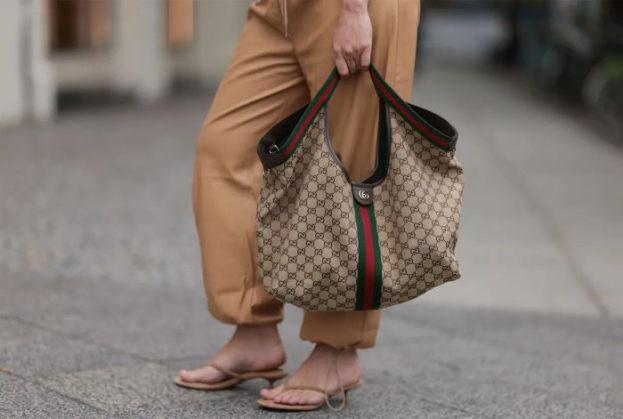
Earlier this year, a medium-sized Gucci Mercato leather tote designed by Demna for the Spring/Summer 2026 collection would have cost you $2,900. But in May, Bernstein analysts noticed a change: Gucci had quietly cut the price of the bag by around 20–25%, Vogue reports.
The move was part of a broader strategy by Gucci and its parent company, Kering, aimed at increasing sales volumes and winning back aspirational consumers seeking prestige. As the wider luxury market tries to recover the 50 million shoppers it lost amid post-pandemic price increases, is cutting prices really the right way to fix the problem?
The Era of Relentless Price Increases — and the Customers They Lost
During the pandemic luxury boom, most high-end brands sought to increase margins by raising prices on their products. According to HSBC, the average price of personal luxury goods rose by a staggering 52% between 2019 and 2024.
For example, a medium-sized classic Chanel flap bag, which cost around $1,000 in the 1980s, sold for approximately $5,800 in 2019. Today, the same bag will set you back $11,700. Similarly, the price of the Louis Vuitton Neverfull has tripled since its debut in 2007, rising from around $645 to more than $2,000. These two examples reflect a broader trend: the price of the luxury sector’s most iconic handbags is now roughly double what it was originally.
Following these price increases, compounded by high inflation and the rising cost of living in the US, slowing macroeconomic growth in China and geopolitical problems in the Middle East, consumers’ purchasing power weakened further, putting additional pressure on luxury brands’ financial performance, notes analyst Luca Solca, whose team at Bernstein identified the Gucci Mercato price cut. According to him, this has been particularly damaging “for mega-brands that thrive on high-status consumers.”
As luxury handbag prices began to climb, consumers started questioning where the added value came from. Younger shoppers turned to social media, where content about the enormous margins of leading luxury brands began to spread. Late last year, 72% of Gen Z luxury shoppers told Vogue Business that they would rather own Walmart’s “Wirkin” bag than a Hermès Birkin. Respondents said that spending huge amounts of money on luxury felt tacky to them and that many new premium products simply were not worth the price.
“There is a serious disconnect in luxury, and that is the fundamental problem with the pricing conversation,” says Achim Berg, a former senior partner at McKinsey and founder of the corporate think tank Fashion Sights. “Many people simply don’t understand why the price has gone up if the quality of the product hasn’t improved. And this isn’t a marginal problem. It is the key problem facing the luxury industry today.”
Financial Difficulties for the Giants
During Kering’s second-quarter 2026 earnings conference in July, Group CEO Luca de Meo said that the company had previously “played with price elasticity,” which had had a “very significant impact” on sales volumes. Gucci’s second-quarter revenue fell 2% to €1.41 billion, beating consensus forecasts and representing a significant improvement for the Italian house. Nevertheless, the brand has recorded declining annual sales every year since fiscal 2022. Revenue for fiscal 2025 fell 22% year over year.
Kering is not alone. LVMH’s Fashion & Leather Goods division recorded an 8% decline in sales for fiscal 2025, while most major fashion houses and luxury conglomerates have faced falling revenues in recent years.
Gucci’s response — cutting the price of a specific handbag — is a bold attempt to win back those customers. “We believe that directly cutting prices can undermine brand equity. But there is no doubt that the assortment architecture needs to be adjusted downward so that mega-brands can address affordability and reconnect with their core aspirational audience,” Solca says. “The sooner, the better. Gucci showed courage by taking this hit, even with the greater risks to brand equity.”
Don’t Touch the Iconic It-Bags
The Gucci Mercato bag was launched as part of the SS26 Generation Gucci handbag collection under the direction of the relatively new creative director Demna. The collection, consisting largely of canvas crossbody bags and totes, has an average price of around $2,000 — 27% below the previous average price of Gucci handbags.
Experts agree that it is easier for brands to lower prices on newer handbag models such as the Mercato than on iconic designs like the Chanel Double Flap or Lady Dior, because consumers are less sensitive to differences in their prices.
“The reality is that touching the prices of iconic products from an established brand is almost impossible,” Berg says. “For those products, you need to keep prices stable or adjust them below the rate of inflation, hoping that the market will eventually catch up with your price point.”
Cutting prices on handbags that consumers know well would be a “loud statement” that undermines their value, depriving luxury brands of the ability to explain why their products cost what they do, agrees luxury analyst Robert Burke. “It would be very unusual because the last thing brands want is for consumers to start questioning the value of their products. It’s too risky.”
“Ultimately, luxury derives its value from a shared understanding between the company and the consumer of the brand’s intrinsic value,” says Eric Fish, head of HSBC US’s retail and apparel division. “When a luxury house lowers prices, it implicitly signals a disconnect between price and value, which can dilute the overall image of the brand. Alternatively, brands could consider launching new products in different sizes, materials or executions that justify a lower entry price and bring aspirational consumers back.”
The Resale-Market Effect
Luxury houses also need to take the resale market into account when considering price cuts. During the pandemic boom, when secondary-market prices were high, consumers could convince themselves that buying luxury was an investment. But as demand for luxury declined, resale prices also fell, Berg notes, making a premium handbag feel like a less reliable investment. If a brand were to cut the price of an iconic product, “it would not only upset direct customers. It would also disappoint people trying to sell the item on the secondary market, because it would devalue it across the board.”
Reworking the Assortment
It is important to note that while giants such as LVMH and Kering continue to face declining revenues, some of the most successful fashion brands with strong sales growth are diversifying their assortments to avoid alienating entry-level customers. Brands such as Ralph Lauren and Coach sell $12 socks alongside $2,000 coats.
“There is a general renaissance of value for money happening right now,” Berg says. “Coach has always had that, and they are simply playing that card more aggressively. That’s why brands like Polène and Sézane are doing so well. They operate just below the affordable luxury segment; the stores feel like luxury boutiques, but [for the aspirational consumer] they are less intimidating, there is a lower barrier to entry, and you get real value for your money.”
Luxury is shifting its focus toward expanding offerings for this category of consumer. At Gucci, according to de Meo’s plans, changing the price of the Mercato is not the only measure being taken. The brand is diversifying its leather-goods assortment in order to “raise the upper price segment,” offer a strong mid-priced handbag range of €2,000–€3,000 and, most importantly, “rework the entry level without compromising quality.”
Other brands are taking a similar approach. After Daniel Lee was appointed in 2022, Burberry introduced several new handbag lines at higher price points, including the Knight bag, launched in September 2023 at $3,360 — significantly above the brand’s traditional average handbag price of £990. The move sparked criticism. In a strategic report at the end of 2024, new CEO Joshua Schulman said the previous strategy had pushed prices too high across the board, particularly in leather goods, and promised to restore a “good, better, best” architecture for each consumer segment.
Since then, Burberry has not cut prices on existing products, but it has shifted its price architecture downward, launching a new entry-level handbag collection in 2025, with most styles priced below £2,000. According to the Financial Times, the share of Burberry handbags priced above £2,000 on its website fell from nearly 30% at the end of 2023 to around 3% today. In its latest financial report, the brand confirmed that the new pricing structure is working.
The Future of the Industry
Burke says Louis Vuitton’s strategy looks fairly sensible: the brand is introducing new handbags and products in the $2,000–$3,500 range while maintaining its position in the $12,000–$15,000 premium segment. “The real challenge is to more actively promote interesting but affordable entry-level fashion handbags. That’s what has been missing.”
Most entry-level handbags from luxury brands have fairly obvious designs featuring large monograms or simple tote shapes. Nevertheless, at any price point, if you manage to create genuine consumer desire, sales volumes can increase significantly even at a higher price, Burke adds.
“What Chanel is doing right now is simply fantastic, and it has nothing to do with price sensitivity. They are producing genuinely beautiful products and excellent design. I believe that justifies the price tag. The problem arises when a product feels mass-market or too accessible.”
Ultimately, Berg believes that overcoming the fashion industry’s current challenges will require a new unifying theme capable of stimulating consumer interest, similar to what happened 10 years ago with the emergence of China’s progressive luxury consumers and the streetwear boom. “Quiet luxury is absolutely useless here.” He predicts that price tags will continue to be rewritten — both in the affordable luxury segment and across all products that are not iconic or defining elements of a brand’s DNA — for as long as market pressure remains high.
Follow NEWS.am STYLE on Facebook, Twitter and Instagram

- Three Hours for Makeup and Household Chores: Japanese Prime Minister’s Admission Sparks Public Debate Japanese Prime Minister Sanae Takaichi has said her daily schedule is significantly more demanding than those of her male predecessors. In addition to her official duties, she spends several hours a day on makeup, bathing, cooking and other household tasks. Her remarks have sparked a heated debate about gender stereotypes and the expectations placed on Japanese women, The New York Times reports...
- “Grandparents Now Need Permission to Hug”: Controversial Ad Pulled After Backlash A controversy has erupted in Ireland over a public awareness campaign urging grandparents to ask their grandchildren for permission before hugging them. The video, created by the Dublin Rape Crisis Centre and funded by the Department of Justice, sparked accusations of absurd political correctness, disrespect toward older people and the misuse of public funds. The justice minister eventually demanded that the video be taken down...
- The Pharaohs Forgot to Sign the Paperwork: Scottish Museum Removes Mummies Over Lack of Consent A scandal worthy of a museum exhibit of its own has erupted in Scotland: ancient Egyptian remains have been removed from a Glasgow museum because people who died thousands of years ago never gave permission for their bodies to be displayed in public. Visitors are now greeted by explanatory signs instead of mummies — apparently the safest exhibit in an era when even pharaohs have suddenly been found to have personal-boundary issues...
- Hermès Steps Up Boutique Security After Riots in France French luxury house Hermès has tightened security at its stores following widespread protests in France, during which one of the brand’s boutiques in Marseille was looted. The company is also facing a new challenge: demand for its products is slowing, and sales of clothing and accessories have declined for the first time in several years, Reuters reports...
- Dior at $800, Maison Francis Kurkdjian at $1,200: The Most Luxurious Advent Calendars of 2026 From thousand-dollar fragrances to high-end skincare, luxury brands have turned the countdown to the holidays into an indulgence for affluent shoppers...




-
23:01, October 23
Three Hours for Makeup and Household Chores: Japanese Prime Minister’s Admission Sparks Public Debate -
22:18, October 23
J.K. Rowling: “If a Man Can Be a Woman, Then Women Do Not Exist” -
21:25, October 23
“Grandparents Now Need Permission to Hug”: Controversial Ad Pulled After Backlash -
20:38, October 23
Cara Delevingne Opens Up About a Disastrous Date at a Lesbian Sex Party -
19:27, October 23
Lamborghini on Your Shoulders: Balenciaga Unveils a $9,500 Jacket and a Baseball Cap That Costs as Much as a Plane Ticket -
16:33, October 23
The Pharaohs Forgot to Sign the Paperwork: Scottish Museum Removes Mummies Over Lack of Consent -
15:44, October 23
Billionaires Are Buying $100 Million Mansions Just to Tear Them Down as Florida’s Luxury Real Estate Market Reaches New Extremes -
14:32, October 23
“That’s Not My Job”: NBA Star LaMelo Ball Admits He Doesn’t Change His Son’s Diapers -
14:15, October 23
James Bond Shortlist Down to Four Actors as House of the Dragon Star Emerges as Possible Villain -
13:16, October 23
Shooting Targeting Actor Tiger Shroff Rekindles Fear in Bollywood as Gangsters Renew Threats Against Stars -
12:29, October 23
After Facing Mockery Over Her Acting, Kim Kardashian Offered to Be Cut From a Movie -
12:07, October 23
Victoria Beckham Ditches Her Signature Manicure for a New Trend: Red Nails Look Expensive and Elegant
All materials

@NEWSam_STYLE
@NEWSam_STYLE
- Archive