


NEWS.am STYLE

NEWS.am STYLE
NEWS.am STYLE
NEWS.am STYLE
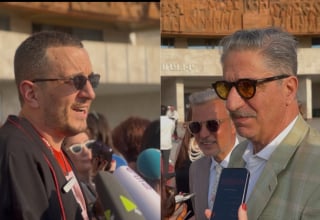
The 23rd "Golden Apricot" Yerevan International Film Festival has kicked off
NEWS.am STYLE
NEWS.am STYLE

NEWS.am STYLE
NEWS.am STYLE

Nikos Vertis to perform in Armenia for the 3rd time at the invitation of “ACVA BUILDINGS”
NEWS.am STYLE

NEWS.am STYLE
NEWS.am STYLE

NEWS.am STYLE

NEWS.am STYLE

NEWS.am STYLE

NEWS.am STYLE

NEWS.am STYLE

Archaeologists are ‘absolutely certain’ they have found the lost city where Jesus performed miracles
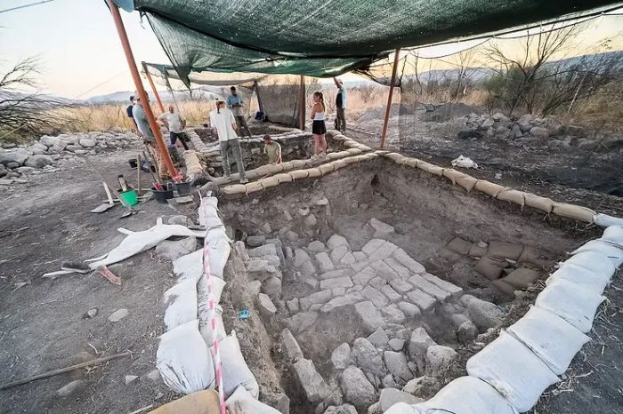
A team of archaeologists says it is “absolutely” certain that it has uncovered the lost biblical city of Bethsaida. The claim follows a major summer excavation in northern Israel, where researchers unearthed an impressive collection of ancient artifacts, according to the New York Post.
The Bethsaida-Julias excavation team has now completed its 10th season of archaeological work on the shores of the Sea of Galilee. Over the years, researchers have uncovered oil lamps, cosmetic tools, coins and dozens of other valuable artifacts — findings that have strengthened their long-standing theory that the ruins at el-Araj are the remains of the ancient city where, according to the Gospels, Jesus performed numerous miracles.
“We take into account the entire body of accumulated evidence from every excavation, which ultimately comes together to create a historical portrait of the ancient settlement. That picture becomes clearer with every new season,” excavation academic director Dr. Steven Notley wrote in an official blog post.
What did archaeologists discover?
After a decade of work at the site, researchers have gained extensive insight into the Roman-era history of Bethsaida-Julias, dating from the first to third centuries AD. But excavations have also revealed artifacts from several other periods.
Among the latest discoveries are:
- Roman-period walls, a basalt mortar used for grinding grain and a collection of coins.
- An intriguing fragment of half of a Doric capital, which once adorned a public building.
- Evidence of an earlier Hellenistic settlement hidden beneath the site.
- Chalkware vessels and several intact Herodian lamps, which were produced in Jerusalem only until AD 70. According to the researchers, these finds provide compelling evidence that Jews lived in the city during the first century, when Bethsaida was transformed into the Roman city of Julias.
Researchers also uncovered a curious piece of architectural history: Ottoman-era owners of the property built stables directly on top of ancient Roman structures without laying foundations. Yet the ancient stone walls somehow survived the centuries without collapsing.
Challenging stereotypes about Galilee
The wealth of artifacts is challenging the long-standing assumption that people living in Galilee at the time were poor, illiterate peasants.
Instead, the discoveries suggest that the towns and settlements visited by Jesus were thriving communities, even under Roman occupation.
For Dr. Notley, the findings from the 10th excavation season represent a decisive moment in the long-running debate over the site’s identity.
“Everything we recover from the ground confirms and strengthens this identification. Not a single discovery contradicts it. I have no doubt that Jesus spent a great deal of time here,” he said, describing the site as “the last lost city of the Gospels.”
According to biblical tradition, Bethsaida was where Jesus healed a blind man and fed thousands of people with five loaves of bread and two fish.
The city is also believed to have been the hometown of the apostles Peter, Andrew and Philip.
Excavations at el-Araj have been underway since 2016. During that time, archaeologists have uncovered the ruins of ancient churches, remnants of residential buildings and remarkable mosaic masterpieces.
Follow NEWS.am STYLE on Facebook, Twitter and Instagram

- Archaeologists are ‘absolutely certain’ they have found the lost city where Jesus performed miracles A team of archaeologists says it is “absolutely” certain that it has uncovered the lost biblical city of Bethsaida. The claim follows a major summer excavation in northern Israel, where researchers unearthed an impressive collection of ancient artifacts, according to the New York Post...
- Tulsa King Season 4 teaser sends fans into a frenzy: “The King is back!” A one-minute teaser for Tulsa King starring Sylvester Stallone has sent anticipation for the series’ fourth season soaring, with the trailer showing the mob boss being targeted by an assassin disguised as a police officer...
- OnlyFans model throws handbag at journalist who questioned her virginity OnlyFans model Sophie Rain has found herself at the center of yet another controversy after reacting angrily to a journalist who questioned her claim that she is still a virgin...
- “Hell on Earth”: Greek Paradise Beach Turns Into a Nightmare as Tourists Swarm the Shore A picturesque beach in Greece has been branded “hell on Earth” after being overrun by seemingly endless crowds of tourists...
- Why You Should Never Wear Shorts or Skirts on a Plane: Flight Attendant’s Warning Flight attendants have an important warning for passengers: for the sake of your hygiene, never wear clothing that leaves your legs exposed when flying, according to The Independent...




-
16:16, September 2
Hunter Biden says he is ‘48% gay’ -
15:23, September 2
Archaeologists are ‘absolutely certain’ they have found the lost city where Jesus performed miracles -
14:33, September 2
Behind the scenes of Karl Lagerfeld’s new campaign: Paris Hilton and her Chihuahua, Iconic Princess -
14:15, September 2
Tulsa King Season 4 teaser sends fans into a frenzy: “The King is back!”
-
13:29, September 2
Old wounds remain: How the royal family is reacting to the Sussexes’ return -
12:38, September 2
Kim Kardashian donates $50,000 to families at the US-Mexico border -
12:21, September 2
Madonna unrecognizable: 68-year-old Queen of Pop stuns fans with her ‘youthful’ face -
11:41, September 2
Cher declares war on her daughter-in-law, accusing her of chasing her son’s money -
11:18, September 2
Brigitte Macron’s daughter follows in her mother’s footsteps with new romance — her boyfriend is 20 years younger -
10:30, September 2
OnlyFans model throws handbag at journalist who questioned her virginity -
23:01, September 1
“Mercy Sex”: Shocking Study Reveals Why Women Have Sex With Men Even When They Don’t Want To -
22:20, September 1
“Hell on Earth”: Greek Paradise Beach Turns Into a Nightmare as Tourists Swarm the Shore
All materials

@NEWSam_STYLE
@NEWSam_STYLE
- Archive