



NEWS.am STYLE

NEWS.am STYLE

NEWS.am STYLE

NEWS.am STYLE
NEWS.am STYLE

NEWS.am STYLE

NEWS.am STYLE
NEWS.am STYLE

The 23rd "Golden Apricot" Yerevan International Film Festival has kicked off

NEWS.am STYLE

NEWS.am STYLE

NEWS.am STYLE

NEWS.am STYLE

Nikos Vertis to perform in Armenia for the 3rd time at the invitation of “ACVA BUILDINGS”

NEWS.am STYLE

NEWS.am STYLE

NEWS.am STYLE
NEWS.am STYLE


LVMH Sales Fall Again as Demand for Louis Vuitton and Dior Weakens Amid China Market Crisis
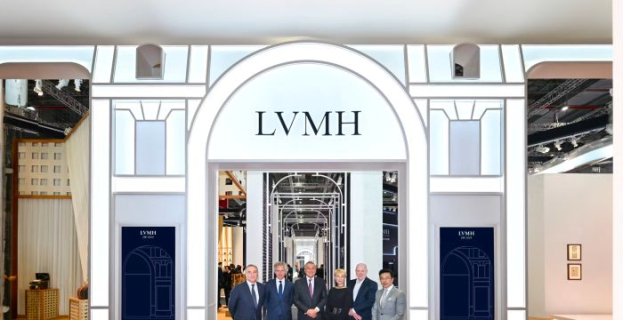
Sales at the fashion and leather goods division of French luxury group LVMH fell 5% in the third quarter of 2026 as demand in China slowed. Early hopes of a recovery in the world’s largest luxury market have failed to materialize, casting fresh doubt on the industry’s prospects for emerging from its prolonged downturn, the Financial Times reports.
The results were disappointing after the previous quarter, when the owner of Louis Vuitton and Dior recorded growth in its core division for the first time in two years. In the three months ended September, organic revenue at the fashion and leather goods business declined more sharply than analysts had expected, with forecasts pointing to a year-on-year drop of 1.8%.
Hopes that the luxury industry was gradually emerging from an almost four-year slump have faded in recent months. Conflict in the Middle East, geopolitical instability and inflationary pressures are undermining consumer confidence and the purchasing power of shoppers who aspire to buy luxury goods but are particularly sensitive to economic uncertainty.
LVMH said its fashion and accessories business continued to benefit from a “buoyant US market,” but faced slowing demand in China during the third quarter.
LVMH’s financial results are expected to mark the start of a challenging earnings season for the luxury industry. Even brands at the very top of the market, including Hermès, are coming under pressure.
The group’s total organic revenue rose 1% in the third quarter to €18.5 billion. Growth was driven by strong demand for jewelry and solid performance in its selective retailing division, particularly Sephora, its cosmetics store chain. Analysts had forecast a 1.3% increase in group revenue.
LVMH’s Market Value Has Fallen by More Than Half
LVMH shares have lost nearly 40% of their value since the start of the year. Investors are questioning where the luxury industry can find new sources of growth. The market capitalization of the group, controlled by the family of chief executive Bernard Arnault, stands at around €190 billion — less than half its 2023 peak.
In 2026, strong demand for luxury goods in the United States helped offset weakness in China, where consumer spending has been constrained in part by problems in the property sector.
However, signs of a slowdown are also emerging in the US. According to credit card transaction data published by Citibank in October, American spending on luxury goods declined by at least 4% in each of the past three months.
In the third quarter, LVMH sales in Asia excluding Japan fell 5% year on year, primarily due to China. Growth in the US also slowed slightly, from 6% in the second quarter to 5% in the third.
Louis Vuitton at the Center of a Chinese Backlash
The continued decline in LVMH’s fashion and leather goods sales has put the spotlight on Louis Vuitton, the luxury industry’s largest brand.
This summer, the label faced a backlash in China after suing popular tea brand Molly Tea, accusing it of trademark infringement.
Louis Vuitton was subsequently criticized over its claims to exclusive rights to an image of a four-petaled flower resembling traditional Chinese motifs.
“The Molly Tea incident seems to have had quite a significant impact on Louis Vuitton’s performance in China. It appears that the brand’s response to the crisis has been to keep a low profile in its marketing,” said James Grzinic of Jefferies.
According to Cabanis, Louis Vuitton’s results were also affected by a one-off logistics issue that reduced quarterly growth by approximately one percentage point.
Meanwhile, the group’s second-largest brand, Dior, is showing more positive momentum. LVMH noted “particularly strong” demand for new ready-to-wear and leather goods collections created under its new creative director, Jonathan Anderson. Cabanis said Dior sales had grown since the beginning of the year.
Jewelry and Champagne Help Support Group Results
Other LVMH divisions posted growth in the third quarter. Jewelry remains one of the luxury market’s more resilient segments, with revenue at the watches and jewelry division rising 6% compared with the same period last year.
Sales at the wines and spirits division, Moët Hennessy, also increased by 6%.
LVMH’s results therefore paint a mixed picture: jewelry and certain retail businesses are helping support the group, while its core fashion and leather goods division continues to face pressure. Slowing demand in China, coupled with emerging signs of weakness in the US market, raises questions about how quickly the world’s biggest luxury brands can return to sustained growth.
Follow NEWS.am STYLE on Facebook, Twitter and Instagram

- LVMH Sales Fall Again as Demand for Louis Vuitton and Dior Weakens Amid China Market Crisis Sales at the fashion and leather goods division of French luxury group LVMH fell 5% in the third quarter of 2026 as demand in China slowed. Early hopes of a recovery in the world’s largest luxury market have failed to materialize, casting fresh doubt on the industry’s prospects for emerging from its prolonged downturn, the Financial Times reports...
- ‘Doomsday’ Set for November 13, 2026: Scientists Predicted the Apocalypse 66 Years Ago There is just one month to go until the predicted end of the world — at least according to a scientific paper published 66 years ago. In 1960, a study in the prestigious journal Science forecast that Doomsday would arrive on Friday, November 13, 2026, The Independent reports...
- Luxury French Riviera Hotel Declares War on Influencers: Phone Photography Faces a Ban The legendary Hotel du Cap-Eden-Roc on the French Riviera, a longtime retreat for famous politicians, writers and members of royal families, is introducing strict restrictions on photography. The move comes as influencers increasingly turn one of France’s most prestigious hotels into a backdrop for social media content...
- A $30,000 Porsche-Inspired Sofa: Chinese Brand Turns a Sports Car Into a Luxury Armchair With a Fridge and Sound System Design brand Arkadia-Life has unveiled the P01 Classic Sofa, an unusual single-seat armchair styled after a vintage sports car. Behind its striking exterior lies an array of high-tech features, including a built-in refrigerator, a wine compartment, a powerful sound system and wireless charging. Prices for this collectible design piece start at $30,000...
- School Uniforms Have Become a Sexual Fantasy: British Teenagers Demand Ban on School Uniforms in Pornography A group of British schoolgirls has spoken out against the sexualization of school uniforms in the adult entertainment industry, launching a petition calling for their use in pornographic videos to be banned. The initiative has already attracted more than 28,000 signatures, and the teenagers have also received support from members of the British Parliament...




-
21:19, October 13
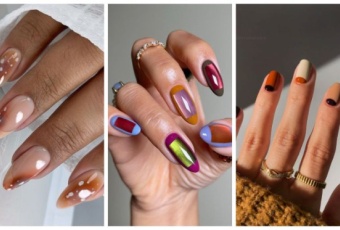
From Fawn Spots to Coffee French Tips: The Biggest Nail Trends for Fall/Winter 2026 -
20:23, October 13
Billionaire Jeff Bezos: Success Does Not Make Someone a Villain -
19:28, October 13
LVMH Sales Fall Again as Demand for Louis Vuitton and Dior Weakens Amid China Market Crisis -
16:21, October 13
‘Doomsday’ Set for November 13, 2026: Scientists Predicted the Apocalypse 66 Years Ago -
15:36, October 13
Luxury French Riviera Hotel Declares War on Influencers: Phone Photography Faces a Ban -
15:19, October 13
Leonardo DiCaprio Shows Off His ‘Dad Bod’ During Beach Day With Younger Girlfriend -
14:33, October 13
A $30,000 Porsche-Inspired Sofa: Chinese Brand Turns a Sports Car Into a Luxury Armchair With a Fridge and Sound System -
14:15, October 13
School Uniforms Have Become a Sexual Fantasy: British Teenagers Demand Ban on School Uniforms in Pornography -
13:23, October 13
‘40 Million Views and Monster Brows’: Woman Falls Asleep With Eyebrow Dye on Her Face and Takes TikTok by Storm -
12:31, October 13
Kim Kardashian Flaunts Sultry Looks in Tiny Lingerie, a Leather Bustier and Racy Snaps -
12:16, October 13
“Even My Pilates Class Would Be Too Much for Him”: The View Hosts Mock Pete Hegseth After Military Training Video -
11:42, October 13
Sean “Diddy” Combs Rushed to Hospital After Suffering Head Injury in Prison Fall
All materials

@NEWSam_STYLE
@NEWSam_STYLE
- Archive