



NEWS.am STYLE

NEWS.am STYLE

NEWS.am STYLE

NEWS.am STYLE

NEWS.am STYLE

NEWS.am STYLE

NEWS.am STYLE

NEWS.am STYLE

NEWS.am STYLE

The 23rd "Golden Apricot" Yerevan International Film Festival has kicked off

NEWS.am STYLE

NEWS.am STYLE

NEWS.am STYLE

NEWS.am STYLE

Nikos Vertis to perform in Armenia for the 3rd time at the invitation of “ACVA BUILDINGS”

NEWS.am STYLE

NEWS.am STYLE

NEWS.am STYLE



Chanel, Gucci and Burberry Under Fire: What Luxury Brands Have Been Hiding From Consumers
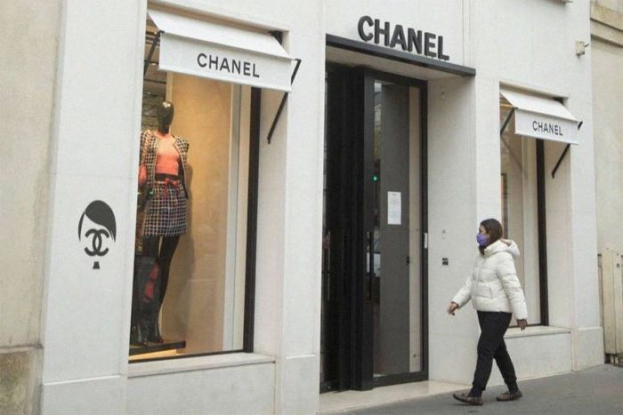
Luxury brands have long destroyed unsold goods to preserve exclusivity and prevent their collections from losing value. Now, the European Union is trying to put an end to the practice. Since July 2026, large companies have been prohibited from destroying unsold clothing and footwear, and from March 2027, brands will be required to disclose how many items they have destroyed and why. However, numerous exemptions could allow fashion houses to work around the restrictions, while mandatory reporting risks not only reputational damage but also the exposure of trade secrets, Bloomberg reports.
Deep discounts on luxury goods already suggest that the market is changing. Recently, suede sneakers by Brunello Cucinelli were listed on the Yoox platform for €617, down from approximately €1,300. A Gucci miniskirt was selling for €800, while a Burberry T-shirt was available for less than €200 after a 60% discount. In total, the website offered around 2,500 heavily discounted items from the three brands.
For the luxury industry, this is a telling sign that even affluent shoppers are becoming more cost-conscious. Manufacturers have traditionally avoided large-scale sales because exclusivity is central to the perceived value of their products. As a result, some brands have preferred to burn or shred unsold merchandise. The EU is now seeking to change those rules, although experts warn that significant loopholes remain.
From Chanel to Gucci: Unsold Goods Sent to the Shredder
A legal case in Hong Kong brought renewed attention to the issue. In August, four former Chanel warehouse employees were sentenced to between four and seven years in prison for conspiring to steal unsold merchandise worth approximately $1.12 million. The goods had been destined for destruction.
Police recovered more than 700 items. According to court records, Chanel sent between 10,000 and 20,000 clothing items and other fashion products to be shredded every three to six months.
One of the defendants said unsold merchandise was discounted by 25% approximately six months after it first went on sale and by 50% after a year. Employees were allowed to purchase the items for 20% of their original retail price. If the merchandise still failed to sell, it was destroyed.
Chanel said the figures cited in court did not reflect the company's current practices. According to the brand, collections are now produced in line with orders, while unsold goods are directed toward reuse, recycling and other methods of returning materials to circulation.
The problem extends across the industry. According to the European Environment Agency, between 264,000 and 594,000 tonnes of textile products were destroyed annually in Europe in 2020 before reaching consumers. This represented 4% to 9% of all textile products placed on the market and generated up to 5.6 million tonnes of carbon dioxide equivalent emissions — roughly the same amount produced annually by one million petrol-powered cars.
The EU Ban: Why Luxury Brands Can Still Destroy Unsold Goods
In 2022, France, home to the headquarters of many major luxury houses, passed a law on the circular economy requiring companies to reuse, recycle or find alternative uses for unsold products.
The EU has introduced similar requirements under its Ecodesign for Sustainable Products Regulation. For large companies, the ban on destroying unsold clothing and footwear took effect in July 2026. From March 2027, brands will have to report the quantities of unsold goods they destroy and explain the reasons.
The new rules create a double risk for the industry. According to luxury market consultant Julie El Guzzi, destroying merchandise can trigger public backlash and damage a brand's reputation. Reporting requirements could also reveal to competitors which collections and designs failed to sell.
However, the regulations include several exemptions. Leather goods, including handbags, are excluded from the restrictions, as are certain limited-edition collections. Some exceptions also apply to products bearing logos or trademarks that cannot be removed without damaging the item.
Destruction is also permitted when repair or refurbishment would cost more than destroying and replacing the product. Another exception applies after unsuccessful resale attempts: if a company cannot sell an item itself or through a charitable organization within eight weeks, it may destroy it.
In 2024, French authorities inspected 110 textile companies, ranging from mass-market clothing manufacturers to luxury brands. According to France's Ministry of Finance, most inspections were intended to clarify the rules and did not result in fines. The maximum penalty for a violation is €15,000.
Burberry, Gucci and Prada: How Brands Have Changed Their Pledges
Some fashion houses began revising their approach to unsold merchandise before the new laws were introduced.
In 2018, Burberry announced that it would stop destroying unsold products following pressure from shareholders. However, the company's environmental policy published in April 2026 states that it aims to prevent products from being destroyed through incineration or landfill disposal. Experts note that this wording leaves room for other methods of disposal. Burberry declined to comment.
In 2020, Kering, the owner of Gucci and Saint Laurent, also pledged to stop destroying unsold goods. At the time, the company said the practice was prohibited throughout the group. In its latest report, however, the word “prohibited” disappeared. The company now refers only to compliance with applicable regulations. Kering also declined to comment on the change.
Prada set a goal in its 2023 sustainability report to eliminate the shredding of unsold goods by 2024. Its 2024 and 2025 reports did not provide an updated account of that commitment. A company representative nevertheless said the group maintained a zero-destruction policy and was seeking environmentally responsible ways to manage inventory. According to the representative, no products or materials had been destroyed since the policy was adopted.
Brunello Cucinelli, by contrast, welcomed the new rules. The company's CEO, Riccardo Stefanelli, said they were consistent with principles that had long been part of the brand's philosophy.
LVMH, which owns Louis Vuitton, Dior and other luxury labels, also said the EU ban was in line with practices already followed by many of its fashion houses under French law.
Hermès, known for its Birkin bags, has set a goal of establishing a recycling system for all unsold group products by 2030. The company previously said it aimed to donate or recycle 100% of unsold merchandise between 2025 and 2030, adding that it had already achieved this goal in France.
Reporting Could Prove More Painful Than the Ban Itself
Despite the numerous exemptions, experts believe the most significant consequences for the industry may come not from the ban itself, but from the requirement to disclose information about destroyed merchandise.
According to Sarah Mathieu, mandatory monitoring could expose overly broad loopholes and help reveal how companies circumvent the restrictions. Public reporting could also reshape the competitive landscape by forcing brands to disclose which products failed to attract buyers and were ultimately destroyed.
Previously, companies were reluctant to share such information with environmental organizations or competitors. Viola Wohlgemuth of Deutsche Umwelthilfe, a German environmental organization, believes transparency could prove even more effective than an outright ban.
The luxury industry is entering a new reality in which claims of environmental responsibility may no longer be enough. Fashion houses will have to explain what happens to their unsold collections and demonstrate that preserving exclusivity no longer justifies the wasteful use of resources.
Follow NEWS.am STYLE on Facebook, Twitter and Instagram

- Chanel, Gucci and Burberry Under Fire: What Luxury Brands Have Been Hiding From Consumers Luxury brands have long destroyed unsold goods to preserve exclusivity and prevent their collections from losing value. Now, the European Union is trying to put an end to the practice...
- I’m Always Excited to Explore My Roots: Krikor Jabotian on Armenian Fashion and His Collaboration with Armine Harutyunyan Admiring the pieces on display, Jabotian took a moment to speak with NEWS.am STYLE about Armenia’s evolving fashion scene, his connection to his ancestral homeland and his collaboration with Armenian model Armine Harutyunyan…
- King Charles III Becomes a Burberry Designer: New Collection Inspired by His Watercolors At this time of year, everyone needs a cozy sweater to lift their spirits — and the King of the United Kingdom is no exception. King Charles III has stepped into the role of designer, contributing a vibrant watercolor painting of Birkhall, his “dear-to-his-heart” residence on the Balmoral estate in Scotland, to a new Burberry collection, The Telegraph reports...
- Gucci and Louis Vuitton Have Gone Too Far: Shoppers Are Flocking to Zara and Uniqlo After years of price hikes, luxury brands appear to have overestimated how much consumers are willing to pay for their products. Customers who can no longer afford Louis Vuitton and Gucci are redirecting their spending toward the mid-market fashion segment, where brands such as Uniqlo and Zara are enjoying a resurgence, the Financial Times reports...
- At the Crossroads of Ambition and Commerce: A Look at Yerevan Fashion Week 2026 Against the Backdrop of Global Fashion Yet behind the polished visuals lies a more practical question: what does Armenian fashion represent today? How independent is it, where has it genuinely moved forward, and in which areas does it continue to follow established international trends...




-
12:45, October 19
Bella Hadid Steals the Show at the 2026 Victoria’s Secret Fashion Show in Two Stunning Looks and Giant Wings -
12:20, October 19
Luxury Under Guard: Dior Deploys Private Security Amid Paris Looting -
11:58, October 19
‘Best Sex of Her Life’: Dakota Johnson’s Friends Reveal Steamy Details of Her Romance With Machine Gun Kelly -
11:30, October 19
Chanel, Gucci and Burberry Under Fire: What Luxury Brands Have Been Hiding From Consumers -
10:55, October 19
Bianca Censori Goes Braless in Revealing Red Outfit for Night Out With Kanye West -
10:24, October 19
Kylie Jenner’s $50 Million Fantasy Bra: Victoria’s Secret Debut Sparks Backlash -
15:30, October 18
I’m Always Excited to Explore My Roots: Krikor Jabotian on Armenian Fashion and His Collaboration with Armine Harutyunyan -
19:28, October 17
«When You Step Into an Aircraft, It Doesn’t Ask Whether You’re a Man or a Woman»: Pilot and Composer Narine Melkumyan -
18:18, October 17
Michelin Guide Scandal: Prestigious Restaurant Guide Accused of Using AI to Write Reviews -
17:32, October 17
Rolex Instead of Gold: Why Billionaires Are Investing in Watches, Rubies, and Klimt Paintings -
16:04, October 17
“It’s Not a Catastrophe”: LVMH Heir Explains Why Luxury Brands Shouldn’t Panic Over the Crisis -
15:29, October 17
Cher Reveals the Secret Behind Her Legendary “Naked” Met Gala Dress
All materials

@NEWSam_STYLE
@NEWSam_STYLE
- Archive