



NEWS.am STYLE

How Nare was welcomed at Zvartnots Airport after winning the Junior Eurovision Song Contest: the singer's emotions

NEWS.am STYLE

NEWS.am STYLE

NEWS.am STYLE

NEWS.am STYLE

NEWS.am STYLE

NEWS.am STYLE

NEWS.am STYLE

NEWS.am STYLE
NEWS.am STYLE

NEWS.am STYLE

The 23rd "Golden Apricot" Yerevan International Film Festival has kicked off

NEWS.am STYLE

NEWS.am STYLE

NEWS.am STYLE

NEWS.am STYLE

Nikos Vertis to perform in Armenia for the 3rd time at the invitation of “ACVA BUILDINGS”
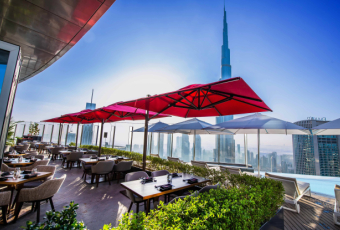

Dubai’s Culinary Scene: From Emirati Cuisine to Three Michelin Stars

For many years, Dubai’s culinary identity was defined by spectacular restaurants, premium ingredients and dinners overlooking the city’s skyscrapers. The city still knows how to turn a meal into an occasion, but its dining scene extends far beyond these familiar images. Here, family recipes are being revived, regional traditions reinterpreted and new dining concepts created. Emirati cafés sit alongside Balkan bistros, Japanese ramen bars and restaurants serving inventive tasting menus.
The best way to explore Dubai’s culinary scene is to take it one step at a time: begin with local cuisine, discover the smaller neighbourhood spots, then set aside an evening for a more distinctive dining experience. This journey reveals not only the history of the Emirates, but also the people who have arrived from around the world and made the city their home.
Start with Local Flavours
A good place to begin is breakfast at Arabian Tea House in the historic Al Fahidi neighbourhood. After wandering through narrow lanes lined with traditional houses topped with wind towers, it is worth lingering over a meal and discovering Emirati cuisine. Breakfast becomes a natural extension of the walk, offering a taste of life in old Dubai at a gentler pace.

A contemporary take on local traditions awaits at Gerbou in Nad Al Sheba, where familiar recipes and cooking techniques are reimagined. The project is backed by Tashkeel, a creative centre, and the connection between food and design is particularly strong. Furniture, materials and interior details draw inspiration from the UAE’s natural environment and cultural heritage. Here, an introduction to local gastronomy extends beyond the plate to encompass craftsmanship, art and architecture.
Kulture House: Coffee, Brunch and Art in Jumeirah

The relationship between food and the city’s creative life can also be explored at Kulture House, a café, concept store and art space set inside a villa in Jumeirah 1. Visitors come for a leisurely brunch, a coffee or a new exhibition, often taking the time to browse the designer pieces on display.
The menu pairs familiar breakfast favourites with more unexpected combinations. It is a place to linger over a book or conversation before heading out to discover more of the city.
Different Cuisines, One City
Dubai’s culinary landscape reflects the traditions of people who have arrived from all over the world. Family recipes inspire intimate bistros, while national cuisines are reinterpreted in restaurants shaped by their chefs’ individual visions. These flavours can be explored over a relaxed lunch or through an elaborate tasting menu.

At Sufret Maryam, chef Salam Dakkak places Levantine cuisine in the context of family history. Home-style recipes and Palestinian art on the walls evoke a sense of home and hospitality. A similar spirit can be found at Nairi, a family-run Armenian restaurant in the Meydan area, serving fresh lavash, dolma, charcoal-grilled meats and gata, a traditional Armenian pastry enjoyed with tea.

For a contemporary interpretation of Uzbek cuisine, head to SANA at Jumeirah Mina Al Salam, where traditional flavours meet Asian influences and creative presentation. Balkan cooking takes centre stage at 21grams in Umm Suqeim. Filo pastries, spinach burek and coffee provide the perfect excuse to gather around a large table and take your time.


At the city’s more inventive restaurants, the culinary map stretches even further. At Orfali Bros, the Orfali brothers bring together their Syrian roots, Armenian and Turkish heritage, and influences gathered through travel. At Birch in DIFC, chef Arslan Berdyev draws on his Turkmen roots and family recipes, blending them with international influences. These restaurants show how a chef’s personal experiences can evolve into a distinctive culinary identity.


Japanese cuisine is particularly well represented in Dubai. At 3Fils, near Jumeirah Fishing Harbour, the menu features small Asian plates with a distinct Japanese influence. It is an ideal place to order several dishes for the table and share them. At Kinoya, ramen and izakaya-style dining form the heart of the concept. Guests can stop by for a bowl of ramen or build a meal around sashimi, tempura and robata-grilled dishes.


For a more intimate encounter with Japanese culinary tradition, Hōseki at Bulgari Resort Dubai offers an omakase experience led by sushi master Masahiro Sugiyama and his team, who prepare the dishes in front of guests. Omakase invites diners to trust the chef’s choices. The focus is on the ingredients, the precision of each movement and the sequence in which dishes arrive, with every detail contributing to the experience.

Indian cuisine takes an unexpected turn at Trèsind Studio, previously featured by NEWS.am STYLE. Chef Himanshu Saini’s restaurant explores the culinary traditions of India’s many regions, moving well beyond familiar ideas of curry and tandoori.
The tasting menu unfolds as a sequence of interconnected stories, with aromas, textures and flavour combinations revealing the country’s extraordinary culinary diversity. The details are part of the appeal: how a sauce changes the way an ingredient is perceived, why a crisp texture is introduced, or how a particular aroma evokes a specific region. The intimate setting allows guests to focus on each course and the explanations offered by the team. In 2025, Trèsind Studio became the first Indian restaurant in the world to receive three Michelin stars.

The European chapter of Dubai’s dining story continues at FZN by Björn Frantzén at Atlantis, The Palm. Swedish chef Björn Frantzén combines contemporary European techniques with Japanese influences, placing particular emphasis on ingredient quality and precision. The evening unfolds in several stages, from a welcome in the lounge and an introduction to the kitchen to dinner itself and a final stop in the lounge. Music and a relaxed atmosphere complement the carefully composed menu. FZN also received three Michelin stars in 2025, shortly after opening.

Yet Dubai’s culinary discoveries come in many forms and at different price points. 3Fils, Kinoya, Sufret Maryam and 21grams have all been awarded a Bib Gourmand by the Michelin Guide, recognising good food at moderate prices. They can easily fit into an everyday itinerary, leaving a separate evening for a more elaborate tasting menu.
Exploring Dubai’s culinary scene does not require an itinerary made up exclusively of celebrated restaurants. An Emirati breakfast, lunch by the harbour, family recipes and a chef’s tasting menu each reveal a different side of the same city. Book a few dinners in advance, but leave room between them for an unexpected discovery: a café tucked inside a villa or a small bistro worth returning to.
Follow NEWS.am STYLE on Facebook, Twitter and Instagram

- Dubai’s Culinary Scene: From Emirati Cuisine to Three Michelin Stars For many years, Dubai’s culinary identity was defined by spectacular restaurants, premium ingredients and dinners overlooking the city’s skyscrapers…
- Primitive Passion and Hypnotic Grace: Hervé Koubi’s Barbarian Nights Presented in Armenia at the Theatron Festival The choice of the closing production was deliberate. Saté Khachatryan, founder and director of Theatron, explains that after opening the festival with Mourad Merzouki, it was only natural to conclude it with a performance by another internationally acclaimed choreographer, Hervé Koubi...
- Kapan Fest: Why Musicians Keep Coming Back to Kapan A few minutes before the concert, Gilles Apap was backstage talking to me about surfing. Then he picked up a rose and balanced it on the tip of his nose. A music stand came next. Students tried to imitate him. None succeeded....
- Four Armenian Filmmakers Selected for Cannes Critics’ Week Next Step Studio The filmmakers who will participate in the Cannes Film Festival‘s Critics’ Week’s Next Step Studio program, which will focus on Armenia, were named during the GAIFF Pro Industry Awards Ceremony on July 16, Armenian Film Society writes…
- Melonpan Group Became Special Partner of Yerevan Wine Days 2026 Melonpan presented a festival menu with signature gelato and specialty coffee...




-
19:30, October 30
Dubai’s Culinary Scene: From Emirati Cuisine to Three Michelin Stars -
15:45, October 30
Kanye West Allegedly Moves Into $295 Million Mansion Uninvited and Turns It Into His Office for Four Days -
14:48, October 30
Dolly Parton's Memoir Sells for an Eye-Watering $13 Million After Fierce Bidding War -
14:18, October 30
10,000 Men in 24 Hours: OnlyFans Star Lily Phillips Turns to AI in Bid to Break Her Own Record -
13:11, October 30
Halle Berry Loses Custody Battle Against Ex-Husband Over Their Son -
12:30, October 30
Kim Kardashian plucks Elizabeth Taylor’s $12.7M emerald necklace from the vault -
11:33, October 30
Kim Kardashian to Undergo Surgery to Remove Esophageal Irregularities After Esophagitis Diagnosis, Fears Due to Father’s Cancer History -
10:45, October 30
A Love Declaration for No Special Occasion: Brooklyn Beckham’s Heartfelt Words to His Wife Spark Mixed Reactions Online -
10:30, October 30
Khloé Kardashian Says Her Future Partner Must Be ‘Okay’ with Plastic Surgery as She Shares Her Checklist for a Man -
00:31, October 30
Star Trek actor Sir Patrick Stewart dies aged 86 -
23:01, October 29
Christina Aguilera Shares a Nude Photo from Her Bathroom -
22:21, October 29
Dubai to Open the World’s First Gold-Plated Pedestrian Walkway
All materials

@NEWSam_STYLE
@NEWSam_STYLE
- Archive