



NEWS.am STYLE

NEWS.am STYLE

NEWS.am STYLE

How Nare was welcomed at Zvartnots Airport after winning the Junior Eurovision Song Contest: the singer's emotions

NEWS.am STYLE

NEWS.am STYLE

NEWS.am STYLE

NEWS.am STYLE

NEWS.am STYLE

NEWS.am STYLE

NEWS.am STYLE

NEWS.am STYLE

NEWS.am STYLE

NEWS.am STYLE

The 23rd "Golden Apricot" Yerevan International Film Festival has kicked off

NEWS.am STYLE

NEWS.am STYLE

NEWS.am STYLE


Oat and Almond Milk Could Put Your Health at Risk, Scientists Warn
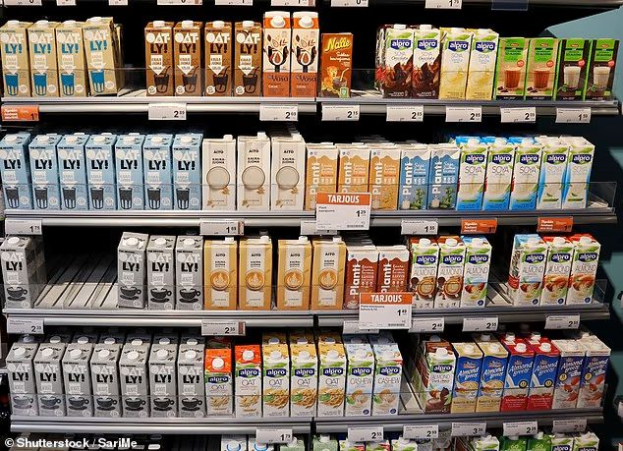
Switching from cow’s milk to plant-based alternatives such as oat and almond drinks or coconut yoghurt could leave people short of essential nutrients. That is the conclusion of British researchers whose findings have been published in the journal The Lancet Planetary Health.
Even partially replacing dairy milk — for example, adding oat milk to coffee instead of cow’s milk — may increase the risk of iodine deficiency. This trace element is essential for producing thyroid hormones, which regulate metabolism, growth and brain development. A lack of iodine can cause fatigue, memory problems and weight gain.
Children, teenagers and pregnant women are particularly vulnerable. Researchers warn that even a moderate iodine deficiency during pregnancy can negatively affect a child’s cognitive development. Meanwhile, around one-third of women of reproductive age already fail to get enough of this essential nutrient.
Scientists from the University of Surrey and Queen’s University Belfast analysed the diets of 3,500 people, as well as the nutritional composition of 164 plant-based drinks, 76 dairy-free yoghurt alternatives and 67 cheese substitutes. They found that only 12% of these products were fortified with iodine. Calcium was added to 61% of drinks and products, riboflavin to around one in five, while vitamin B12 was present in 46%.
Even a partial reduction in dairy consumption lowered people's intake of all four nutrients, with iodine intake falling the most.
Replacing 20–35% of dairy products with plant-based alternatives significantly increases the number of women and girls who do not get enough iodine. Among teenage girls, the proportion at risk rises from just over half to almost two-thirds. For women of reproductive age, the figure increases from 32% to 42%.
A complete switch away from dairy could leave up to 80% of teenage girls and 72% of teenage boys with insufficient iodine intake.
Plant-based alternatives may also compromise calcium intake. Teenagers, who often already fail to consume enough of this mineral, face an even greater risk of deficiency when dairy products are replaced. According to the researchers’ estimates, calcium deficiency could affect almost half of teenage boys and 70% of teenage girls following such a dietary change, potentially increasing their risk of osteoporosis later in life.
The researchers argue that plant-based milk and dairy alternatives should be fortified with essential nutrients. Adding iodine to bread is another potential solution they suggest.
Follow NEWS.am STYLE on Facebook, Twitter and Instagram

- Richard Branson and Ray Dalio Have No Tolerance for Office Gossip: Why Some Billionaires Are Willing to Fire Employees Over It Men who gossip about their colleagues behind their backs could be putting their careers at risk. A new study by the University of Iowa and the University of New Mexico has found that men who gossip are perceived as less competent and are less likely to be seen as leadership material than women who engage in exactly the same behavior....
- Oat and Almond Milk Could Put Your Health at Risk, Scientists Warn Switching from cow’s milk to plant-based alternatives such as oat and almond drinks or coconut yoghurt could leave people short of essential nutrients. That is the conclusion of British researchers whose findings have been published in the journal The Lancet Planetary Health...
- “The Worst TV Show of the 21st Century”: Kim Kardashian and Glenn Close’s Legal Drama Slammed by Critics in Season Two Ryan Murphy’s legal drama All’s Fair, starring Kim Kardashian, Glenn Close and Naomi Watts, has been hit by another wave of scathing reviews. Critics have branded its second season “unbearably awful”, while one reviewer has gone so far as to call it “the worst TV show of the 21st century”...
- Jane Birkin’s Personal Hermès Bag, Complete with Her Signature and Handwritten Message, Heads to Auction A rare Hermès Birkin 30 once owned by Jane Birkin is set to go under the hammer in Paris. The bag’s particular appeal lies in the actress’s autograph and a handwritten message addressed to a friend named Georgia, Robb Report reports...
- “An Insult to My Culture”: Italian Chef Fired for Refusing to Put Pineapple on Pizza Italian chef Davide Tamburella, who worked at La Costa restaurant in Brisbane, Australia, lost his job after refusing to put pineapple on pizza, calling the topping “an insult to my culture.”..




-
18:18, November 7
Richard Branson and Ray Dalio Have No Tolerance for Office Gossip: Why Some Billionaires Are Willing to Fire Employees Over It -
17:33, November 7
Robert Pattinson and Nicholas Hoult Join the Race to Become the Next James Bond -
16:37, November 7
Lavish Birthday at Taxpayers’ Expense: Ivanka Trump’s Security in Morocco Cost $93,000 -
15:29, November 7
Jessica Simpson’s Sexual Renaissance: 46-Year-Old Star Is Head Over Heels for Younger Boyfriend -
14:23, November 7
Oat and Almond Milk Could Put Your Health at Risk, Scientists Warn -
13:23, November 7
Threw a Plate of Spaghetti in Her Face: Bride Explodes After Bridesmaid Refuses to Gain 120 Pounds -
12:21, November 7
Bridgerton Star Sabrina Bartlett Marries Businessman Lachie Stewart in Romantic Tuscan Wedding -
11:18, November 7
Khloe Kardashian’s Ex-Husband Makes More Than $50,000 on OnlyFans in Just Eight Days -
10:30, November 7
Meghan Markle’s Father Led Away in Handcuffs From Nursing Home: He Faces Up to 20 Years in Prison in Child Sexual Abuse Material Case -
23:01, November 6
Kering’s Creative Shake-Up: Pierpaolo Piccioli Exits Balenciaga After Two Other Designers Leave -
22:33, November 6
Mother-in-Law vs Daughter-in-Law: Nicola Peltz Appears to Be Copying Victoria Beckham’s Most Iconic Looks -
21:22, November 6
“Crossed the Line”: Billionaire Brunello Cucinelli Accused of Inappropriate Touching During Photo Shoots with Actresses
All materials

@NEWSam_STYLE
@NEWSam_STYLE
- Archive