



style.news.am

style.news.am

NEWS.am STYLE

NEWS.am STYLE

NEWS.am STYLE

How Nare was welcomed at Zvartnots Airport after winning the Junior Eurovision Song Contest: the singer's emotions

NEWS.am STYLE

NEWS.am STYLE

NEWS.am STYLE

NEWS.am STYLE

NEWS.am STYLE

NEWS.am STYLE

NEWS.am STYLE

NEWS.am STYLE

NEWS.am STYLE

NEWS.am STYLE

The 23rd "Golden Apricot" Yerevan International Film Festival has kicked off

NEWS.am STYLE

Made by Armenians: Five Things Armenians Invented and Helped Popularize Around the World
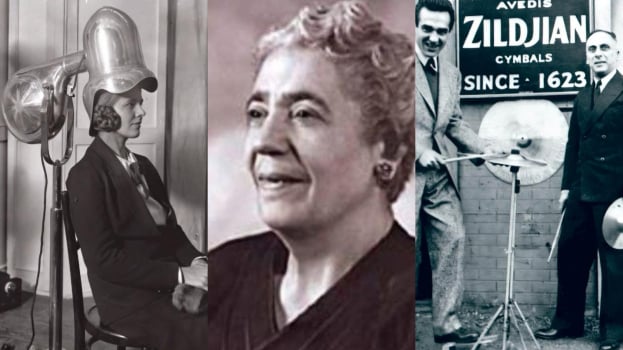
A hair dryer in the bathroom, yogurt for breakfast, ice cream in a crispy cone, and your favorite band playing through your headphones. These things may seem to have little in common. Yet each has an Armenian connection. Behind them are real people whose ideas and inventions helped shape the everyday habits of millions. Here are five stories that may make you look at some familiar objects a little differently.
The Hair Dryer: The Armenian Inventor Who Helped Bring Salon Styling into the Home
It is almost impossible to imagine a modern beauty routine without a hair dryer. Whether you need to dry your hair quickly before work, create a voluminous style, or simply tidy up after a shower, it has long been part of everyday life. But drying your hair was once a far less convenient task.
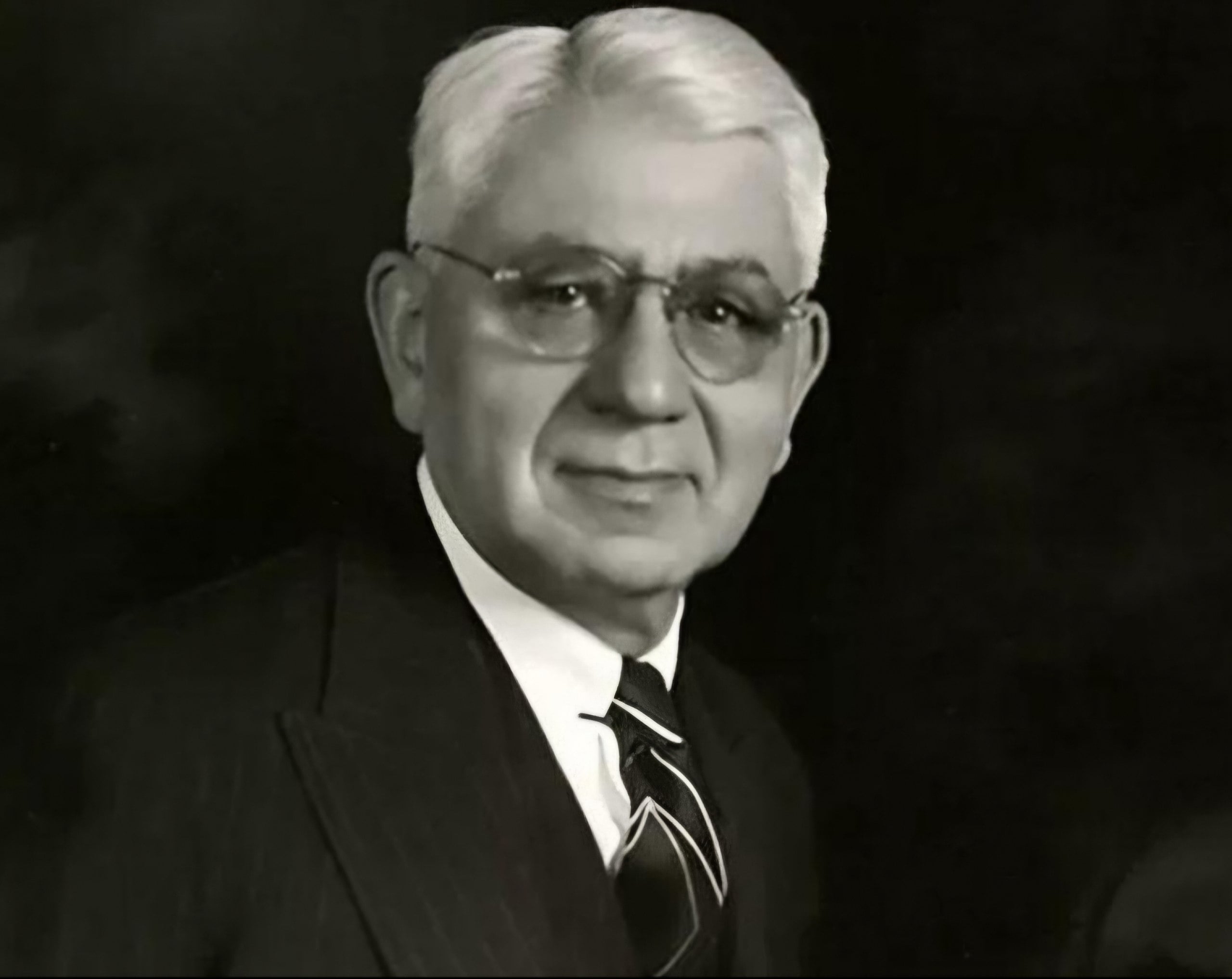
The first hair-drying machines were bulky and heavy, and were designed primarily for use in salons. In 1911, American inventor of Armenian descent Gabriel M. Kazanjian received a patent for a handheld hair-drying device. His design already featured a fan, a heating element, and a nozzle to direct the airflow.
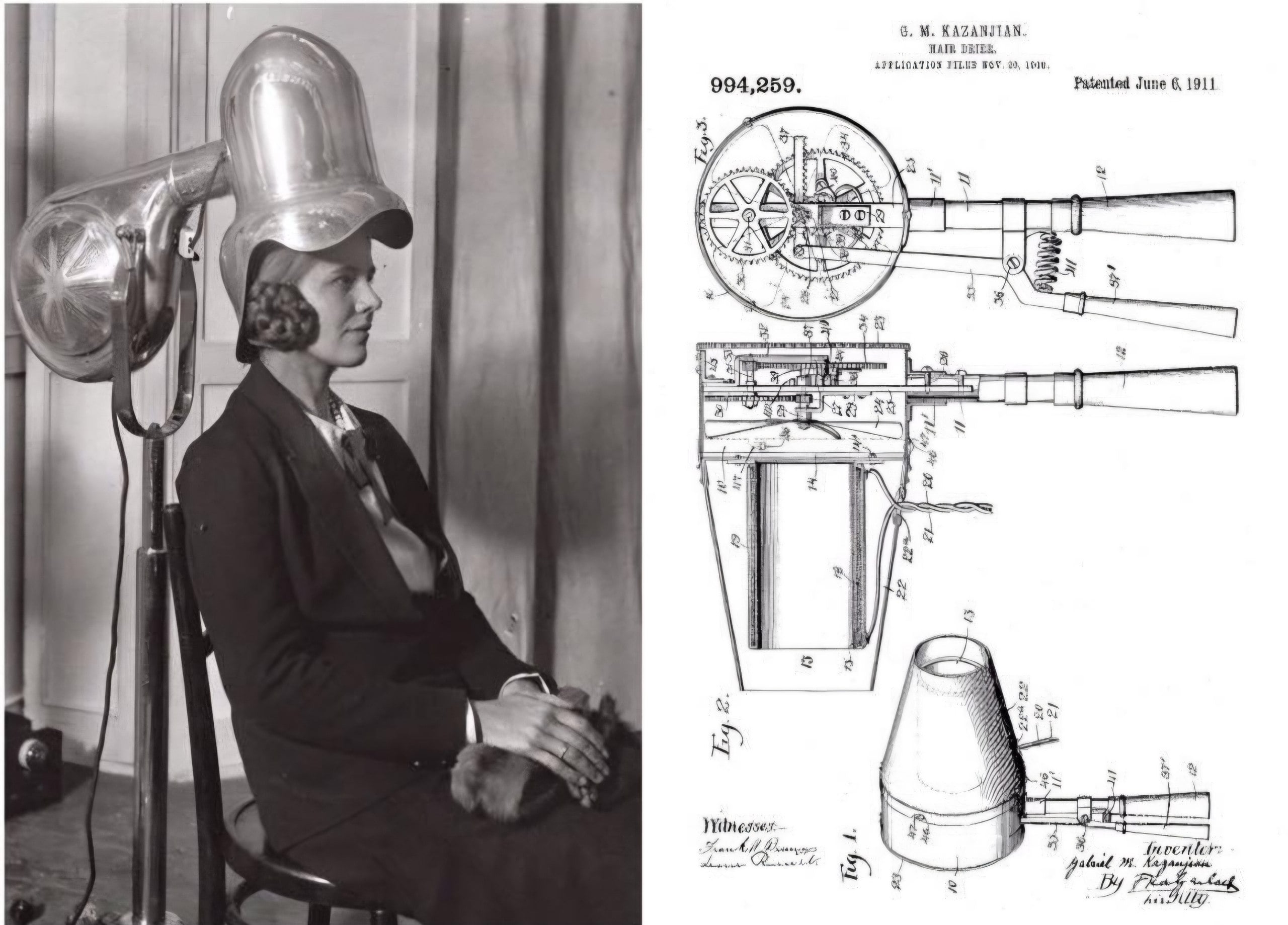
Of course, lightweight hair dryers with multiple heat settings and ionic technology were still a long way off. But inventions like his helped make hair drying more convenient and gradually brought it closer to everyday home use. So the next time your hair dryer saves you before an important meeting, spare a thought for the Armenian inventor who was working on the technology back in the early 20th century.
Colombo Yogurt: The Armenian Family That Helped America Fall in Love with Yogurt
Today, yogurt is a familiar staple in refrigerators everywhere. People add it to granola, mix it with fruit, and enjoy it for breakfast or as a snack. But in early 20th-century America, it was not yet part of mainstream food culture.
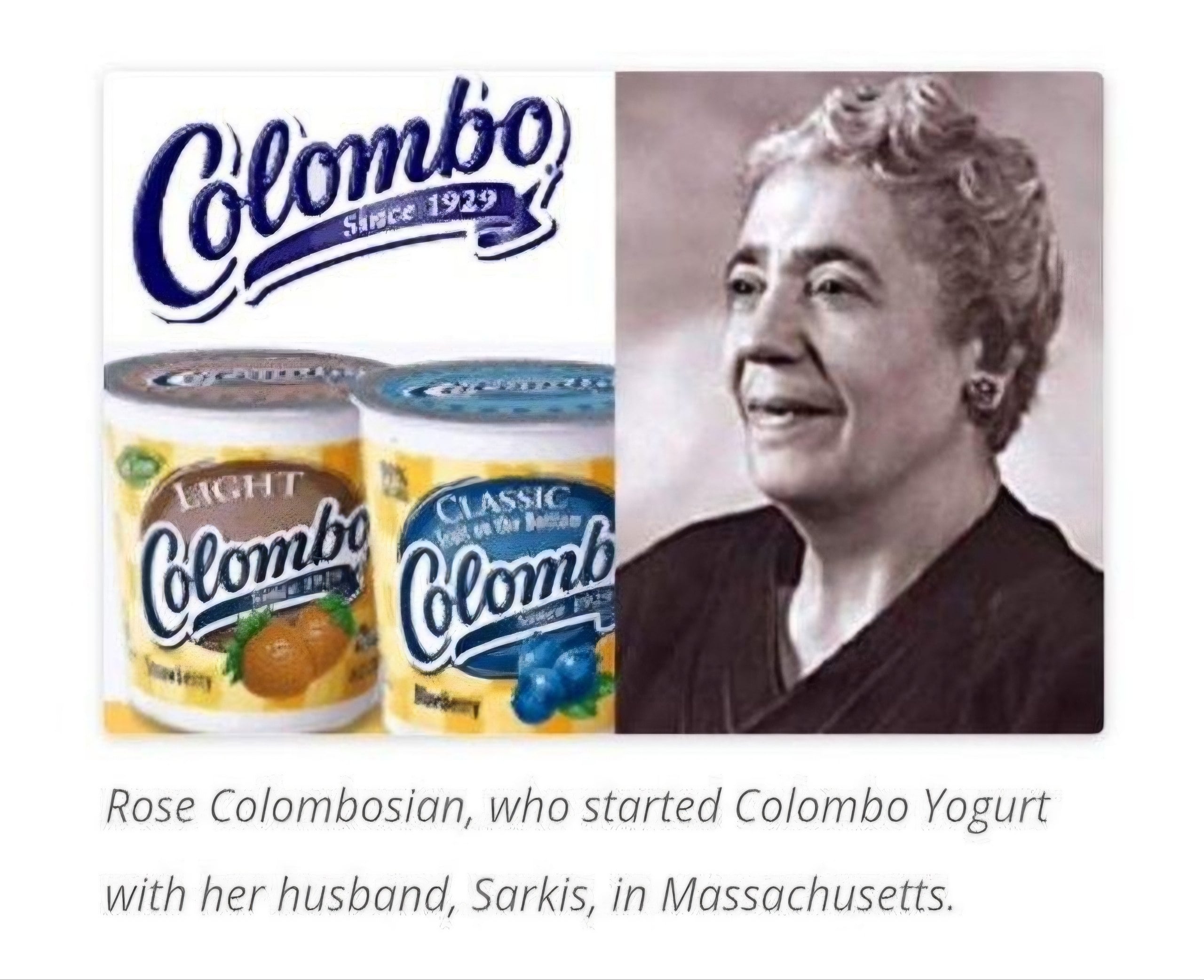
The Colombo family of Armenian origin helped change that. In 1929, Sarkis and Rose Colombosian began making yogurt in Massachusetts, drawing on their family tradition of preparing matzoon. Initially, the product was aimed mainly at the Armenian community and other immigrants from the Middle East. It was even delivered to customers by horse-drawn wagon bearing the word “Matzoon.”
Gradually, Colombo Yogurt expanded beyond its ethnic market and became one of the best-known yogurt brands in the United States. The family introduced the product to a much wider audience, and its business eventually grew into a major manufacturing operation.
In 1993, the brand was acquired by General Mills. A family recipe familiar to Armenian immigrants had thus become part of the history of the American food industry. And if yogurt with fruit now seems like an entirely ordinary breakfast, that everyday habit has an Armenian chapter.
Zildjian: The Armenian Name Known to Drummers Around the World
If you have ever been to a rock concert, listened to jazz, or simply paid attention to a drum kit, chances are you have seen Zildjian cymbals. The company is one of the world's best-known percussion instrument brands, and its story began nearly four centuries ago.
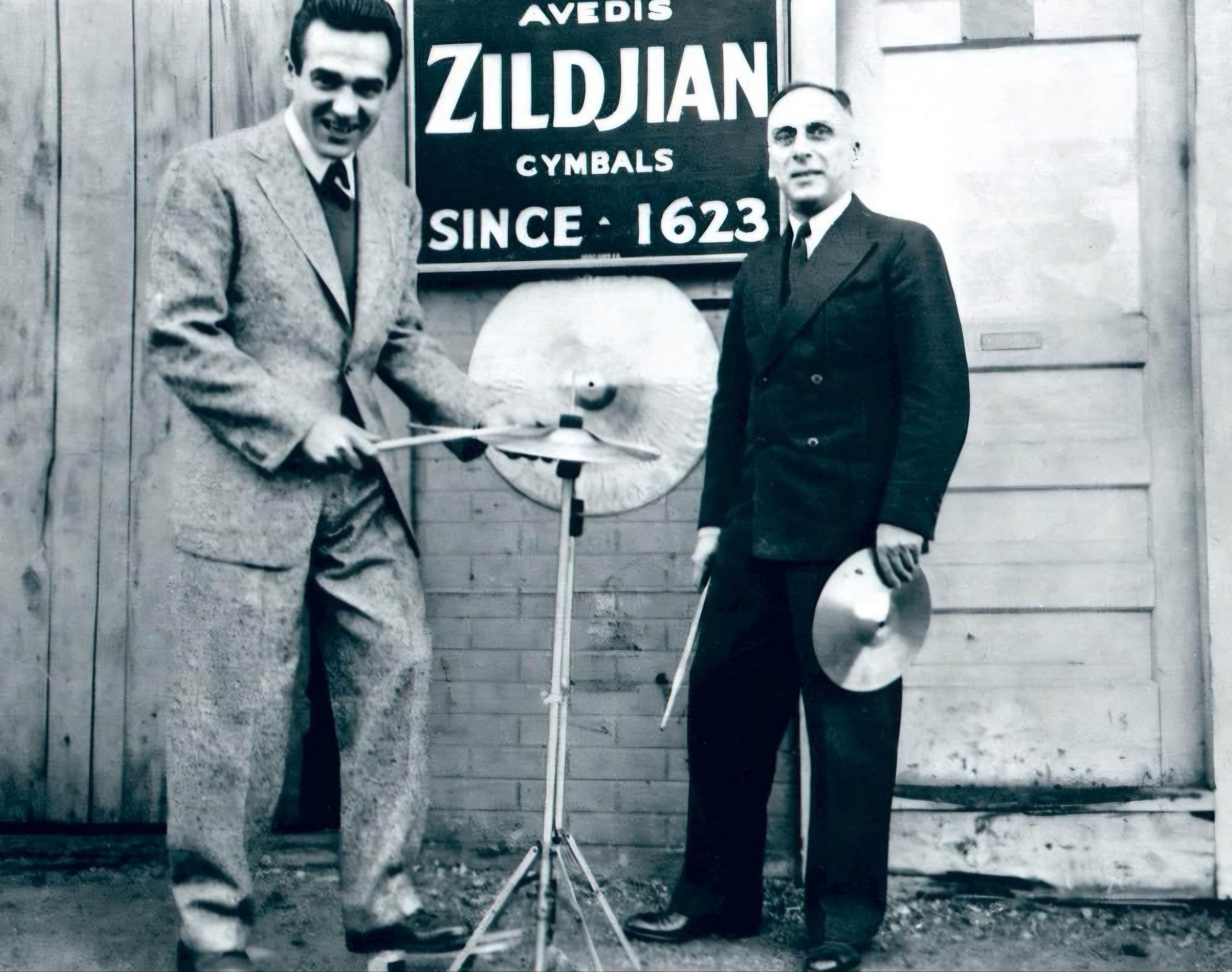
It all goes back to an Armenian craftsman named Avedis Zildjian, who lived in Constantinople in the 17th century. According to the company's history, he developed a special metal alloy that gave cymbals their distinctive sound: bright, rich, and sustained. In 1623, Avedis founded a workshop, and the secret of his manufacturing process was passed down from generation to generation.
The name Zildjian also carries the family's history. It combines the Turkish word zil, meaning “cymbal,” the word ci, meaning “maker” or “craftsman,” and the Armenian surname ending -yan.
Today, Zildjian cymbals can be found in recording studios and on some of the world's biggest concert stages. Musicians across a wide range of genres choose the brand. What began as Armenian craftsmanship in a small workshop eventually became part of the sound of music around the world.
The Spoon Straw: A Clever Little Invention for Big Milkshakes

Some things rarely cross your mind until you need them. Take the drinking straw with a small spoon at one end. It is especially useful for thick milkshakes, drinks with crushed ice, and frozen desserts: you can sip your drink and scoop up the bits left at the bottom of the glass.
One such design was developed by Ardashus Aikanyan, an American inventor of Armenian descent. In 1969, he received a patent for a device combining a drinking straw and a spoon. The patent described how the design could make it easier to enjoy drinks that are difficult to consume with an ordinary straw.

It may not be the kind of invention that changes the course of human history, but it certainly makes some of life's little pleasures more convenient — especially when there are still pieces of ice, fruit, or your favorite dessert at the bottom of the glass.
The Waffle Cone: The Armenian Engineer Who Made Ice Cream Easier to Enjoy on the Go
Ice cream in a cup is all well and good. But let's face it: a waffle cone gives the treat a completely different feel. You can hold it in your hand, stroll around town, and forget about spoons or dishes. Today, it is such a familiar sight that it is easy to overlook the engineering involved in producing these cones on a mass scale.
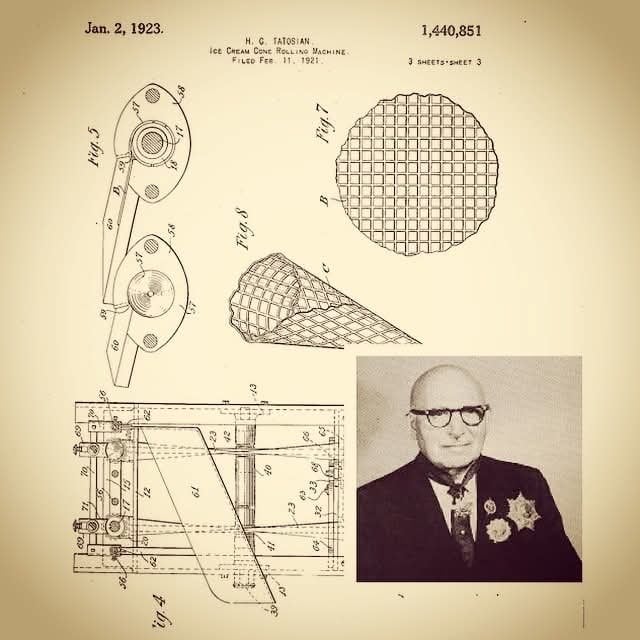
The waffle cone itself predates the work of Armenian engineer Harry Tatosian. His contribution was to make it possible to produce cones faster and in larger quantities. In 1926, Tatosian received a patent for a machine that rolled flat waffle pieces into cones.
Before that, much of the work was done by hand: a hot waffle had to be rolled quickly before it hardened. Special equipment helped mechanize the process and make production more efficient. So anyone who chooses ice cream in a crispy cone has another reason to be curious about the history behind this familiar treat.
Follow NEWS.am STYLE on Facebook, Twitter and Instagram

- Made by Armenians: Five Things Armenians Invented and Helped Popularize Around the World A hair dryer in the bathroom, yogurt for breakfast, ice cream in a crispy cone, and your favorite band playing through your headphones. These things may seem to have little in common. Yet each has an Armenian connection. Behind them are real people whose ideas and inventions helped shape the everyday habits of millions. Here are five stories that may make you look at some familiar objects a little differently...
- Louis Vuitton Bags Worth Up to $30,000: More Than 100 Rare Creations by Murakami, Kusama and Frank Gehry Head to Auction Luxury collectors are being offered a rare opportunity to acquire exclusive Louis Vuitton bags created in collaboration with some of the most celebrated artists and designers of our time. More than 100 unusual accessories from the French fashion house, including pieces by Takashi Murakami, Yayoi Kusama and legendary architect Frank Gehry, are set to go under the hammer at Christie's, Robb Report reports...
- An $860 Bag Full of Emotion: Japanese Label doublet Turns Popular Emojis into Unusual Fashion Accessories Japanese fashion label doublet has unveiled one of the most unusual accessories of the Fall/Winter 2026 season. The designers have transformed familiar emojis into oversized leather bags, allowing people to quite literally carry their emotions with them. Each bag is priced at approximately $860...
- “I Want to Try Every Armenian Dish”: Celebrity Chef Andre Rush Arrives in Armenia Rush came to Armenia to attend the FlyConnect Global AI, Startup & Creator Summit 2026. The NEWS.am STYLE team took the opportunity to welcome him in person and ask him a few questions...
- $165,000 Skull-Shaped Watch with Spinning Flowers: Takashi Murakami Makes His Haute Horlogerie Debut Japanese artist Takashi Murakami, famous for his smiling flowers, Mr. DOB character and Superflat art movement, is setting his sights on the world of haute horlogerie. The artist has unveiled a new project called Time Objects, bringing together his signature visual style and cutting-edge watchmaking technology...




-
18:21, November 15
Made by Armenians: Five Things Armenians Invented and Helped Popularize Around the World -
14:30, November 15
Louis Vuitton Bags Worth Up to $30,000: More Than 100 Rare Creations by Murakami, Kusama and Frank Gehry Head to Auction -
19:30, November 14
The $1 Million Jacket and a Midlife Crisis: Why Jensen Huang’s Signature Look Has Become a Target for Mockery -
18:25, November 14
California’s Musical Frenzy: Dua Lipa, SZA, Tame Impala and Pop Legend Madonna to Headline Coachella 2027 -
17:10, November 14
An $860 Bag Full of Emotion: Japanese Label doublet Turns Popular Emojis into Unusual Fashion Accessories -
16:36, November 14
“I’m a Piece of S*”: Inside Jensen Huang’s Final Hours as Nvidia CEO** -
15:14, November 14
Kim Kardashian Turns the Beach into a Runway: Barely-There Dress Made of Nothing but Threads Leaves Fans Speechless -
14:16, November 14
Britney Spears Is Ready for a Fresh Start: The Singer Has Been Preparing a Surprise More Than 20 Years in the Making -
13:37, November 14
“I Want to Try Every Armenian Dish”: Celebrity Chef Andre Rush Arrives in Armenia -
12:23, November 14
The “Naked” Truth in Paradise: Kendall Jenner Ditches Her Clothes in New Tequila Ad, Only to Surprise Fans with an Unexpected Twist -
11:53, November 14
The “Naked” Truth in Paradise: Kendall Jenner Ditches Her Clothes in New Tequila Ad, Only to Surprise Fans with an Unexpected Twist
-
11:21, November 14
Australia’s Prime Minister Caught on a Hot Mic: His Joke About His Manhood Heard Around the World
All materials

@NEWSam_STYLE
@NEWSam_STYLE
- Archive