


NEWS.am STYLE

NEWS.am STYLE

NEWS.am STYLE

NEWS.am STYLE
NEWS.am STYLE

NEWS.am STYLE

NEWS.am STYLE

NEWS.am STYLE

The 23rd "Golden Apricot" Yerevan International Film Festival has kicked off

NEWS.am STYLE

NEWS.am STYLE

NEWS.am STYLE

NEWS.am STYLE

Nikos Vertis to perform in Armenia for the 3rd time at the invitation of “ACVA BUILDINGS”
NEWS.am STYLE

NEWS.am STYLE
NEWS.am STYLE
NEWS.am STYLE


Valentino turns fashion into an AI nightmare: Luxury goes surreal
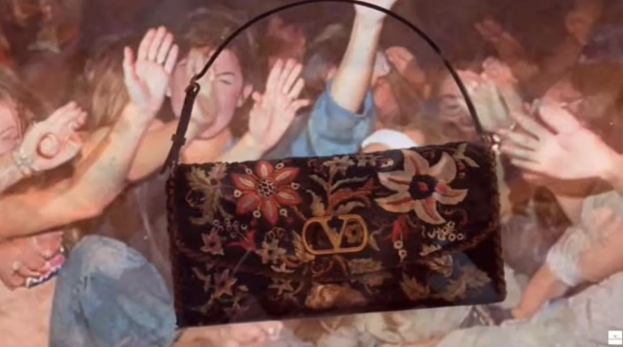
Luxury fashion house Valentino is facing a wave of criticism after releasing “disturbing” AI-generated advertisements promoting its new DeVain handbag, the BBC reports.
The brand had announced a collaboration with digital artists as part of a so-called “Digital Creative Project.” However, one AI-generated video posted on Instagram drew intense backlash from followers, who described the visuals — and the use of AI itself — as “sloppy” and “sad.”
The post featured a surreal collage of models intertwined with Valentino logos and the DeVain bag. In one scene, models appear to emerge from a gold version of the bag; in another, the brand’s logo transforms into human arms, which then merge into a swirling mass of bodies.
Many Instagram users criticized the campaign as “cheap” and “lazy.”
“Disappointing from a couture house,” one commenter wrote. “Advertising campaigns should showcase talented creatives. AI here is laziness at best.”
Посмотреть эту публикацию в Instagram
Others urged Valentino’s marketing team to “read the room,” likened the content to “AI trash,” and accused the company of “rage-baiting” for attention.
Experts say the backlash reflects heightened expectations for luxury brands. Rebecca Swift, Senior VP of Creative at Getty Images, noted, “Even full transparency about AI use wasn’t enough to win people over.”
The use of AI in Valentino’s DeVain campaign comes amid broader criticism of similar initiatives across the industry. Many brands are using generative AI to cut production and promotion costs, or to experiment with design, manufacturing, and sizing.
But specialists warn of potential risks: replacing human labor, lowering product quality, and giving the impression that a brand prioritizes efficiency over artistry.
“The issue isn’t the technology itself, it’s what it replaces,” said Anne-Liese Prem of creative agency Loop.
“When AI enters a brand’s visual identity, people fear the brand is choosing cost-cutting over art. Even if the execution is creative, audiences often see it as disguised cost-saving masquerading as innovation.”
Previous examples of controversial AI campaigns include H&M’s digital model doubles and an AI-generated Guess ad in Vogue, both of which raised concerns about human representation and beauty standards.
Prem added, “Without a strong emotional idea behind it, generative AI can make a luxury brand feel less human at a moment when audiences crave human presence.”
Follow NEWS.am STYLE on Facebook, Twitter and Instagram

- Zuhair Murad Softens His Signature Glamour With Mediterranean Mood, Fringe and a Marilyn Monroe-Inspired Dress Zuhair Murad took a step away from his signature evening glamour with a lighter, more relaxed ready-to-wear collection for spring...
- Louis Vuitton Defies Gravity: Nicolas Ghesquière Unveils a Weightless Collection at the Louvre One of the most striking set designs of the fashion month framed a story about moving through a vast metropolis — a metaphor for today’s turbulent, overheated world. To counter that chaos, Ghesquière proposed clothing that was light, almost ergonomic and designed to move freely with the body...
- Matthieu Blazy Stages a Triumphant Spectacle for Chanel: Coco Chanel, Tweed and a Touch of Attitude A year ago, Matthieu Blazy made his debut on the Chanel runway, opening a new chapter in the history of the legendary fashion house. Now, 12 months later, he returned to the Grand Palais as a true triumphalist, presenting his Spring/Summer 2027 collection — both a love letter to Coco Chanel and a confident statement about the future...
- Elie Saab Revives His Iconic 2000s Aesthetic — and Teases a Major H&M Collaboration It was an Elie Saab gown worn by Halle Berry on the red carpet at the 2002 Oscars that went down in fashion history and helped turn the Lebanese designer into a global name. Now Saab is returning to the aesthetic that made him an icon in the early 2000s...
- Miu Miu and New Balance Team Up Again: Paris Gets a Glimpse of the Sneakers of the Future Miu Miu unveiled two new collaborations at Paris Fashion Week. The fifth year of its partnership with New Balance brought the debut of a new version of the RC150 — a reimagined sneaker inspired by racing footwear...




-
16:21, October 13
‘Doomsday’ Set for November 13, 2026: Scientists Predicted the Apocalypse 66 Years Ago -
15:36, October 13
Luxury French Riviera Hotel Declares War on Influencers: Phone Photography Faces a Ban -
15:19, October 13
Leonardo DiCaprio Shows Off His ‘Dad Bod’ During Beach Day With Younger Girlfriend -
14:33, October 13
A $30,000 Porsche-Inspired Sofa: Chinese Brand Turns a Sports Car Into a Luxury Armchair With a Fridge and Sound System -
14:15, October 13
School Uniforms Have Become a Sexual Fantasy: British Teenagers Demand Ban on School Uniforms in Pornography -
13:23, October 13
‘40 Million Views and Monster Brows’: Woman Falls Asleep With Eyebrow Dye on Her Face and Takes TikTok by Storm -
12:31, October 13
Kim Kardashian Flaunts Sultry Looks in Tiny Lingerie, a Leather Bustier and Racy Snaps -
12:16, October 13
“Even My Pilates Class Would Be Too Much for Him”: The View Hosts Mock Pete Hegseth After Military Training Video -
11:42, October 13
Sean “Diddy” Combs Rushed to Hospital After Suffering Head Injury in Prison Fall -
11:18, October 13
Bella Hadid Celebrates Her 30th Birthday in a Red Bikini and Cowboy Boots -
10:30, October 13
Ray-Ban Heir Leonardo Del Vecchio Claims He Has Slept With More Than 2,000 Women -
23:01, October 12
Five Mistakes That Can Quietly Destroy a Marriage
All materials

@NEWSam_STYLE
@NEWSam_STYLE
- Archive