



NEWS.am STYLE

NEWS.am STYLE

NEWS.am STYLE

NEWS.am STYLE

NEWS.am STYLE

NEWS.am STYLE

NEWS.am STYLE

NEWS.am STYLE

The 23rd "Golden Apricot" Yerevan International Film Festival has kicked off

NEWS.am STYLE

NEWS.am STYLE

NEWS.am STYLE

NEWS.am STYLE

Nikos Vertis to perform in Armenia for the 3rd time at the invitation of “ACVA BUILDINGS”

NEWS.am STYLE

NEWS.am STYLE

NEWS.am STYLE

NEWS.am STYLE


Microplastics in humans — myth or reality? Scientists call early studies a “joke”
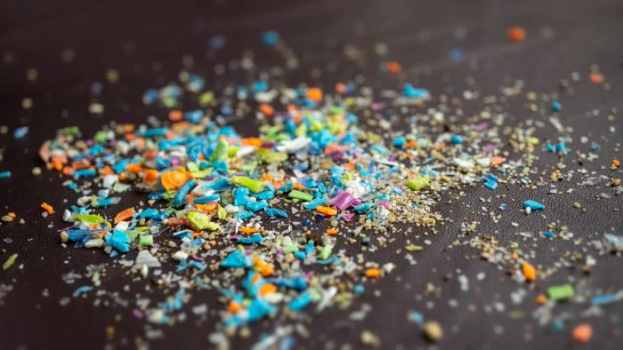
Despite microplastics being everywhere — in clothing, cleaning products, food, water, and air — new scientific assessments are challenging previous claims that these tiny particles accumulate inside the human body.
Several experts told The Guardian that some widely circulated studies on microplastics are “biologically implausible” and even “a joke.” Chemist Roger Culeman commented: “Many researchers make extraordinary claims but don’t provide even basic evidence.”
The History of Microplastic Research
The first major study suggesting humans ingest microplastics dates back to 2018, when Austrian scientists analyzed stool samples from eight countries and reportedly found microplastics in every sample. Later studies claimed to detect particles in various organs and tissues — from the placenta and kidneys to the lungs and liver.
However, journalists found that at least seven widely cited studies have since been criticized. Some reviews showed that human tissue itself can produce signals mimicking plastic, resulting in false positives.
A study claiming to find microplastics in the human brain drew particular skepticism. German expert Dusan Materich called it “a joke”, explaining: “Fat is known to give false signals for polyethylene. The brain is 60% fat.”
Skepticism About Biological Plausibility
Other researchers question the reported amounts of microplastics in the body. Environmental chemist Cassandra Raurt noted: “Given typical daily exposure, it’s biologically improbable for such quantities of plastic to end up in organs.”
Fazel Monik, a nanomaterials specialist at the University of Padua, added that even if a particle reaches a protected organ, it wouldn’t appear as depicted in most published studies.
Practical Takeaways
While the criticism points to methodological flaws and potential exaggeration, scientists stress that the risks shouldn’t be completely ignored. Microplastics can carry toxic chemicals that may trigger inflammation, cell damage, hormone disruption, gut microbiome imbalance, reduced fertility, and increased chronic disease risk.
Experts recommend simple precautions, like avoiding drinking from plastic bottles and heating food in plastic containers, the main dietary sources of microplastics.
Raurt emphasized: “We need accurate data to inform public health authorities, governments, and the public, and to develop proper regulations and policies.”
Materich concluded: “Microplastics in our bodies? Probably. But it’s wise to take precautions to minimize the risks — that’s what I do myself.”
Follow NEWS.am STYLE on Facebook, Twitter and Instagram

- Popular Weight-Loss Drugs Could Deprive the Brain of Energy, Expert Warns As GLP-1 weight-loss drugs, including Ozempic and Wegovy, continue to surge in popularity, experts are warning that losing weight too quickly and severely restricting calorie intake could deprive the brain of essential energy and nutrients...
- Just Two Spoonfuls a Day: Scientists Find an Unexpected Link Between Tomatoes and Memory A diet rich in fruits and vegetables has long been associated with better memory. Now, Spanish scientists have identified another potential link: ordinary tomatoes may influence brain function — and the key could be lycopene, a powerful antioxidant...
- Your Breasts Are Paying the Price for Your Favorite Bra: 5 Signs You’re Wearing the Wrong Size Taking off your bra after a long day is one of life’s little pleasures. But if you spend the entire day in pain or discomfort and literally count the hours until you can finally unhook it, the problem may be that you’re wearing the wrong size...
- The Unexpected Enemy of Sleep: Which Foods Can Trigger Insomnia and Nightmares That nightly glass of warm milk you drink to help yourself relax could actually be making your sleep worse. Scientists have uncovered a surprising link between late-night eating and the quality of our sleep and dreams....
- The Ideal Amount of Coffee by Age: Why You Should Drink More in Your 50s Than in Your 20s Coffee has long evolved past being just a morning wake-up call, a fix for sleep deprivation, or a way to boost focus. A growing consensus among scientists suggests the beverage offers invaluable benefits for the brain, liver, and muscles—with the optimal "dose" for adults reaching up to five cups a day...




-
23:01, October 2
Popular Weight-Loss Drugs Could Deprive the Brain of Energy, Expert Warns -
22:31, October 2
Erling Haaland Sues Airline Over His Famous Hairstyle -
21:22, October 2
Audemars Piguet Turns the Legendary Royal Oak into Luxurious Jewelry with Diamonds, Sapphires and Emeralds -
20:14, October 2
Pierpaolo Piccioli Reimagines Balenciaga with Couture Techniques, Bold Color and New Lightness
-
16:31, October 2
Dom Pérignon Teams Up with Damien Hirst as Iconic Champagne Becomes a Work of Art -
15:40, October 2
Chloé Makes Us Fall in Love All Over Again: Chemena Kamali Celebrates Femininity on the Runway -
15:13, October 2
“Cinematic, Cosmopolitan and Wonderful”: Vogue France Features a Dream Wedding in Armenia -
14:34, October 2
‘I’d Kill Him’: Groom Calls Bride by Her Sister’s Name at the Altar, Leaving Guests Stunned -
14:16, October 2
Christina Aguilera Recreates Her Iconic Lady Marmalade Look 25 Years Later -
13:18, October 2
TikTok Star with Millions of Followers Admits She Has Never Read a Book -
12:32, October 2
DNA Test Uncovers Incredible Family Secret: Man Discovers His Biological Father Is a Five-Time Grammy Winner -
12:16, October 2
Megan Fox Stars in Revealing Erectile Dysfunction Campaign and Calls for Sexual Taboos to Be Broken
All materials

@NEWSam_STYLE
@NEWSam_STYLE
- Archive