


NEWS.am STYLE
NEWS.am STYLE
NEWS.am STYLE

NEWS.am STYLE

NEWS.am STYLE

NEWS.am STYLE
NEWS.am STYLE

NEWS.am STYLE

NEWS.am STYLE
NEWS.am STYLE

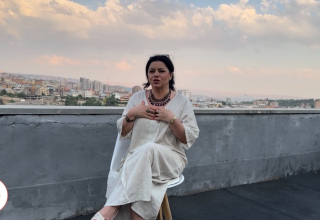
The 23rd "Golden Apricot" Yerevan International Film Festival has kicked off

NEWS.am STYLE
NEWS.am STYLE

NEWS.am STYLE
NEWS.am STYLE
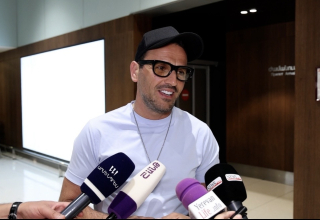
Nikos Vertis to perform in Armenia for the 3rd time at the invitation of “ACVA BUILDINGS”
NEWS.am STYLE

NEWS.am STYLE



Betrayal by a Friend and Salvation at the Cost of Separation: 1915 in the Fate of a Family from Mush
14:31, April 24
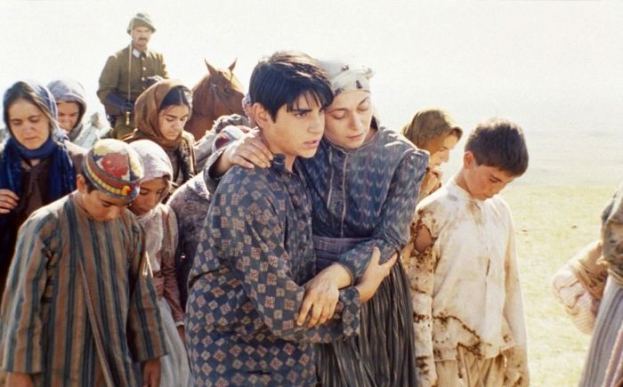
For every Armenian family, the Genocide is not only a historical date, but also a personal, ongoing story of loss and preservation.
Follow NEWS.am STYLE on Facebook, Twitter and Instagram

- Prince Harry Accused of Profiting from Princess Diana’s Death After Receiving $100,000 for Sharing Stories About His Mother Prince Harry has faced a fresh wave of criticism following the release of his online course about coping with grief...
- Elon Musk Cuts Monthly Payments to the Mother of His Son to $20,000 After She Speaks Publicly About Their Relationship Elon Musk has reduced monthly payments to Ashley St. Clair, the mother of one of his children, to $20,000 after she spoke publicly about their relationship...
- How to Preserve the Taste of Home on the Other Side of the World: French Publisher to Release Siblings Zarzavadjian’s Book on Armenian Diaspora Cuisine From Argentina and Lebanon to Australia and Japan, Armenian cuisine has long lived far beyond Armenia’s borders, evolving under the influence of new countries, ingredients and family stories...
- Mark Zuckerberg Buys 19th-Century Irish Castle for Tens of Millions of Dollars Meta founder Mark Zuckerberg and his wife, Priscilla Chan, have purchased a Gothic castle in Ireland...
- There’s No Place Like Home: The Human Stories Behind Artsakh’s Tragedy Told in New Documentary Premiered in Yerevan “There’s no place like home” is the message at the heart of Diana Madison’s documentary, a painful retrospective of Artsakh, lost after the 44-day war...




-
01:22, October 25
Armenia wins Junior Eurovision 2026
-
00:16, October 25
Armenia's Representative Nare's Performance at the Junior Eurovision Song Contest 2026 -
23:00, October 24
LIVE: Junior Eurovision 2026 has started in Malta. Armenia will perform under the number 8 -
19:30, October 24
“Kim Kardashian Could Become President”: Biographer Reveals Her Family Secrets, Scandalous Past and Obsession with Fame -
17:25, October 24
AI-Generated Singer Announces Pregnancy and Quits Band — Fans Didn’t Realize She Wasn’t Real -
16:34, October 24
Salma Hayek’s Daughter Tops Britain’s Most Eligible List: Billionaire Parents, Pubs and Vodka -
15:10, October 24
Timothée Chalamet Ignores Victoria’s Secret Models for Kylie Jenner — His Reaction Goes Viral -
14:20, October 24
Queen Elizabeth II Bragged About Helen Mirren to a Sheikh — But He Didn’t Recognize the Actress -
13:49, October 24
Why Did Tom Cruise Punch Jack Nicholson? -
13:15, October 24
“I Know Where You Are”: Hunter Biden Accused of Threatening Sex Worker -
12:12, October 24
Kim Kardashian Opens Up About Her Romance with Lewis Hamilton: “I’m Very, Very Happy” -
11:19, October 24
A $3 Million Rolex, a $200,000 Hermès Bag and a 7-Carat Diamond: Cardi B Spoils Herself with Lavish Birthday Gifts
All materials

@NEWSam_STYLE
@NEWSam_STYLE
- Archive
Search