


NEWS.am STYLE

NEWS.am STYLE

NEWS.am STYLE

NEWS.am STYLE

The 23rd "Golden Apricot" Yerevan International Film Festival has kicked off

NEWS.am STYLE

NEWS.am STYLE

NEWS.am STYLE
NEWS.am STYLE

Nikos Vertis to perform in Armenia for the 3rd time at the invitation of “ACVA BUILDINGS”
NEWS.am STYLE

NEWS.am STYLE

NEWS.am STYLE
NEWS.am STYLE

NEWS.am STYLE

NEWS.am STYLE

NEWS.am STYLE

NEWS.am STYLE

The Audemars Piguet Paradox: Does Swatch’s “Royal Pop” Devalue the Legacy of Luxury?
15:27, May 25
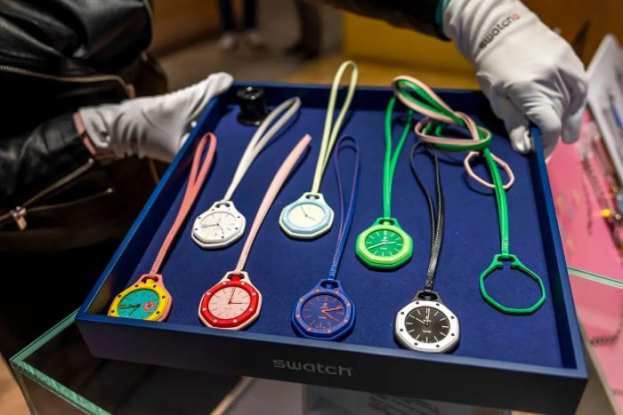
The question of where haute horology ends and mass pop culture begins feels more pressing than ever today. The latest collaboration between Swiss giant Swatch and Audemars Piguet aesthetics, titled “Royal Pop,” has sparked a debate that goes far beyond watch design. It now touches on the boundaries of luxury, brand value, and the price of hype in the social media era, writes Hypebeast.
Follow NEWS.am STYLE on Facebook, Twitter and Instagram

- Did Frédéric Chopin Love Men? German Researcher Finds Declarations of Love in the Composer’s Letters Letters written by Frédéric Chopin to men that for decades were regarded as expressions of ordinary 19th-century male friendship may point to much deeper feelings. That is the conclusion reached by German music journalist and pianist Moritz Weber, who examined around 800 surviving letters by the composer, along with documents from Polish and Parisian archives...
- Swiss Exclusive for OpenAI: Why Sam Altman’s Watch Is Being Called the New Status Symbol Silicon Valley has no shortage of ways to flaunt wealth and status. A home overlooking San Francisco Bay, a Cybertruck — and, of course, an expensive watch, which has long been an essential accessory for influential figures across industries, the Wall Street Journal reports...
- Spanish Town Drowned in Tomatoes as 20,000 People Join Epic Food Fight Thousands of people from around the world descended on the Spanish town of Buñol to take part in the famous La Tomatina — the world’s largest annual “food fight.” For several hours, the town’s streets were transformed into a sea of tomatoes...
- Instagram Launches First Draft: Reels Can Now Be Edited in Seconds Instagram has introduced a new feature called First Draft that automatically edits raw footage for Reels in less than 10 seconds. The tool trims unnecessary footage, removes long pauses and combines selected clips into a rough cut, taking the most tedious part of the editing process off users’ hands...
- Massage, Aromatherapy and “Hoof Care”: America Is Getting Its First Cow Spa for Humans Forget mud masks and cucumber slices. The latest wellness trend is inviting people to relax… like cows...




-
23:01, August 27
Did Frédéric Chopin Love Men? German Researcher Finds Declarations of Love in the Composer’s Letters -
21:19, August 27
Roger Federer Makes an Unexpected Rolex Choice: Tennis Legend Steps Out in One of the Brand’s Most Talked-About Watches -
20:26, August 27
Wolves in Cashmere: Billionaires No Longer Want to Look Like Billionaires -
19:32, August 27
Swiss Exclusive for OpenAI: Why Sam Altman’s Watch Is Being Called the New Status Symbol -
16:50, August 27
Spanish Town Drowned in Tomatoes as 20,000 People Join Epic Food Fight -
16:17, August 27
Instagram Launches First Draft: Reels Can Now Be Edited in Seconds -
15:24, August 27
Massage, Aromatherapy and “Hoof Care”: America Is Getting Its First Cow Spa for Humans -
14:35, August 27
From the Vatican to Haute Couture: Pope Leo XIV Lands on Vanity Fair’s Best-Dressed List -
14:18, August 27
Kendall Jenner and Jacob Elordi Try to Keep Their Date Under Wraps — But Paparazzi Catch Them -
13:16, August 27
A Legend Is Gone: Yayoi Kusama, the Artist Who Turned Polka Dots Into a Global Art Symbol, Dies at 97 -
12:47, August 27
Astronomical Price Tag: How Much Meghan and Harry’s Private Jet Flight to the UK Cost -
12:20, August 27
Glenn Close Approves Kim Kardashian’s New Boyfriend
All materials

@NEWSam_STYLE
@NEWSam_STYLE
- Archive
Search