



NEWS.am STYLE

NEWS.am STYLE

NEWS.am STYLE

NEWS.am STYLE
NEWS.am STYLE

NEWS.am STYLE

NEWS.am STYLE
NEWS.am STYLE

The 23rd "Golden Apricot" Yerevan International Film Festival has kicked off

NEWS.am STYLE

NEWS.am STYLE

NEWS.am STYLE
NEWS.am STYLE
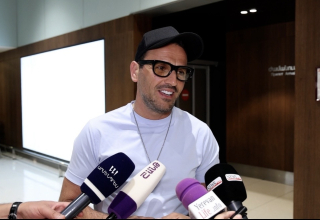
Nikos Vertis to perform in Armenia for the 3rd time at the invitation of “ACVA BUILDINGS”
NEWS.am STYLE

NEWS.am STYLE

NEWS.am STYLE
NEWS.am STYLE


Fatal Selfies: What Happens When Influencers' Obsession with Shark Selfies Goes Too Far
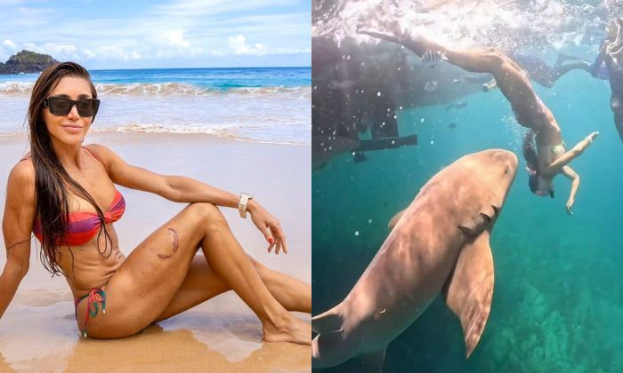
Scientists and marine life experts have issued a serious warning to influencers and content creators: the pursuit of dramatic footage and shark selfies for social media is becoming deadly. Over the past three years, researchers have recorded an alarming spike in predator attacks on individuals attempting to film them up close, touch them, or even ride them.
Dangerous Trends and Real Victims
While overall statistics for shark attacks on humans have remained stable (around 70 cases per year for three decades), the behavior of tourists and content creators is causing panic among biologists.
New Zealand fisherman and influencer Henry Gibbs nearly lost his right leg following a reef shark attack while spearfishing in Fiji in July. He required four surgeries and a skin graft. Brazilian lawyer and blogger Taiana Dalazen sustained deep thigh wounds after a seven-foot nurse shark locked onto her and held her underwater for several seconds in the Maldives (it was later revealed that tour operators were chumming the water to attract tourists).

In February, a tourist lost both hands while attempting to photograph a bull shark in shallow waters in the Caribbean. Just two months later in Israel, a snorkeler with a selfie stick trying to take a picture was killed.
As shark specialist Christian Parton notes, footage of attacks appears online literally every week. "We are talking about a super-predator, a very large wild animal. You wouldn't walk up to a lion in the Serengeti and touch it on the snout."
Research shows that approaching or touching sharks causes them severe stress and a spike in hormones (glucocorticoids), which weakens the animals' immune systems and can lead to the loss of offspring.

Marine biologist Éric Clua from Paris emphasizes that social media creates a false sense of security in people. "The message from influencers is: 'Touch the shark, nothing will happen to you.'"

At the same time, prominent content creators hold a different view. Popular American shark conservationist Ocean Ramsey, known for her free-diving with great white sharks, maintains that her goal is purely education and animal advocacy. "I'm observing their behavior, and they choose to interact with me. You have to give the public some credit. Most people understand the educational message and don't try to replicate it."

Nevertheless, experts like Dr. Jack Cooper counter that chasing and creating chaos for the sake of a good video has nothing to do with real conservation or science, turning wild animals into props for social media.
Follow NEWS.am STYLE on Facebook, Twitter and Instagram

- £20,000 ‘Madonna bra’ sculptures burned children: unusual artwork moved out of the sun An unusual £20,000 art installation that locals compared to Madonna’s iconic cone bra has been moved into the shade after complaints that its metal structures became scorching hot in the sun and could burn children, the Daily Mail reports...
- ‘They’ll Do Anything for Likes’: Influencers Accused of Photoshoot Beside Ambulance as Patient Was Being Treated It seems the race for viral content has reached a new level of absurdity...
- Dom Pérignon Teams Up with Damien Hirst as Iconic Champagne Becomes a Work of Art Dom Pérignon has teamed up with British artist Damien Hirst to create a special limited-edition collection for the end of 2026...
- “Cinematic, Cosmopolitan and Wonderful”: Vogue France Features a Dream Wedding in Armenia What happens when Armenian wedding traditions meet the cultures of Vietnam, Cambodia and China? Sara-Mae Ngo and Gevorg Ambartsumyan transformed their wedding into a cinematic story where family traditions, French fashion, the music of Charles Aznavour and Armenian culture came together. French Vogue has now chronicled their extraordinary celebration in detail...
- TikTok Star with Millions of Followers Admits She Has Never Read a Book Not so long ago, admitting that you hardly ever read would have been embarrassing. Today, however, a lack of interest in books seems to have become almost fashionable among some members of the younger generation — at least judging by the surprising confession of popular influencer Alix Earle...




-
17:34, October 3
Daniel Roseberry returns to Schiaparelli’s roots with daring collection featuring golden accents and bare breasts
-
16:14, October 3
£20,000 ‘Madonna bra’ sculptures burned children: unusual artwork moved out of the sun -
15:21, October 3
‘They’ll Do Anything for Likes’: Influencers Accused of Photoshoot Beside Ambulance as Patient Was Being Treated -
14:22, October 3
Tiffany Trump finds herself in an awkward situation over AI -
13:03, October 3
Kathleen Turner finally reacts to Michael Douglas’s confession about their secret affair: “What a fuss over something that happened 40 years ago!” -
12:18, October 3
Ben Affleck was reportedly set up with Shakira: actor says he is not looking for a new romance -
11:27, October 3
Ex-husband dismembered influencer’s body and boiled it with vegetables to mask the smell: shocking details of Abby Choi’s murder -
10:30, October 3
Elon Musk leaves the mother of four of his children: Shivon Zilis admits their split came as a shock -
23:01, October 2
Popular Weight-Loss Drugs Could Deprive the Brain of Energy, Expert Warns -
22:31, October 2
Erling Haaland Sues Airline Over His Famous Hairstyle -
21:22, October 2
Audemars Piguet Turns the Legendary Royal Oak into Luxurious Jewelry with Diamonds, Sapphires and Emeralds -
20:14, October 2
Pierpaolo Piccioli Reimagines Balenciaga with Couture Techniques, Bold Color and New Lightness
All materials

@NEWSam_STYLE
@NEWSam_STYLE
- Archive