



NEWS.am STYLE

NEWS.am STYLE
NEWS.am STYLE
NEWS.am STYLE

NEWS.am STYLE

NEWS.am STYLE

NEWS.am STYLE

The 23rd "Golden Apricot" Yerevan International Film Festival has kicked off

NEWS.am STYLE

NEWS.am STYLE

NEWS.am STYLE

NEWS.am STYLE

Nikos Vertis to perform in Armenia for the 3rd time at the invitation of “ACVA BUILDINGS”

NEWS.am STYLE

NEWS.am STYLE

NEWS.am STYLE
NEWS.am STYLE

NEWS.am STYLE


Just Two Spoonfuls a Day: Scientists Find an Unexpected Link Between Tomatoes and Memory
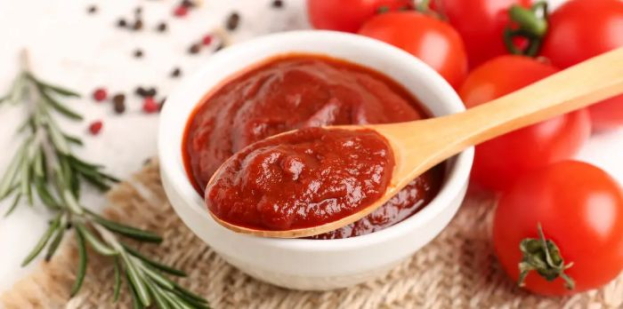
A diet rich in fruits and vegetables has long been associated with better memory. Now, Spanish scientists have identified another potential link: ordinary tomatoes may influence brain function — and the key could be lycopene, a powerful antioxidant.
Researchers in Spain studied the effects of tomatoes on the cognitive function of healthy middle-aged adults. Participants who consumed 35 grams of tomato paste every day for three months — just over two tablespoons — showed improvements in selective attention and associative memory, the ability to remember a connection between two objects that are not directly related, such as a name and a face.
“To our knowledge, this is the first clinical study to link changes in the antioxidant lycopene levels with changes in functional brain connectivity,” the authors of the study, published in the journal Antioxidants, noted.
The study involved 42 healthy adults. They were divided into two groups: one added tomato paste to their diet, while the other followed a diet restricting foods rich in lycopene, including tomatoes, watermelon, papaya, grapefruit and guava.
All participants underwent cognitive testing, while 14 also received brain scans. The scans revealed possible changes in the connections between major brain networks.
Among those who consumed tomato paste, levels of not only lycopene but also BDNF — brain-derived neurotrophic factor — increased. This protein helps neurons grow, form connections and maintain neuroplasticity and memory.
The scans also revealed changes in the activity of brain regions involved in attention and cognitive function. The researchers suggest that consuming tomatoes may contribute to functional changes in major brain networks, potentially improving the efficiency and adaptability of their activity.
The scientists also found a parallel association between lycopene intake, BDNF levels and changes in brain connectivity, which may indicate “functional reorganization of the brain following tomato consumption.”
The findings are consistent with an earlier study in which eight weeks of consuming a tomato-powder-based product rich in carotenoids was associated with improvements in information-processing speed, attention and working memory in older adults.
However, the researchers stress that it is not yet possible to say that lycopene itself is responsible for the effect. Tomatoes contain numerous vitamins and other antioxidants that may also have contributed to the results.
Lycopene has previously been associated with a lower risk of certain diseases, including prostate and lung cancer, as well as cardiovascular and liver diseases.
At the same time, the new study does not establish a cause-and-effect relationship and does not prove that tomatoes directly improve brain function. Larger and longer-term studies will be needed to determine whether any potential cognitive benefits persist over time.
Follow NEWS.am STYLE on Facebook, Twitter and Instagram

- Just Two Spoonfuls a Day: Scientists Find an Unexpected Link Between Tomatoes and Memory A diet rich in fruits and vegetables has long been associated with better memory. Now, Spanish scientists have identified another potential link: ordinary tomatoes may influence brain function — and the key could be lycopene, a powerful antioxidant...
- Your Breasts Are Paying the Price for Your Favorite Bra: 5 Signs You’re Wearing the Wrong Size Taking off your bra after a long day is one of life’s little pleasures. But if you spend the entire day in pain or discomfort and literally count the hours until you can finally unhook it, the problem may be that you’re wearing the wrong size...
- The Unexpected Enemy of Sleep: Which Foods Can Trigger Insomnia and Nightmares That nightly glass of warm milk you drink to help yourself relax could actually be making your sleep worse. Scientists have uncovered a surprising link between late-night eating and the quality of our sleep and dreams....
- The Ideal Amount of Coffee by Age: Why You Should Drink More in Your 50s Than in Your 20s Coffee has long evolved past being just a morning wake-up call, a fix for sleep deprivation, or a way to boost focus. A growing consensus among scientists suggests the beverage offers invaluable benefits for the brain, liver, and muscles—with the optimal "dose" for adults reaching up to five cups a day...
- Toxic Shine: "Silver" Jewelry Containing Cancer-Causing Metal Found on Amazon and TikTok Shop Amazon and TikTok Shop have found themselves at the center of a major scandal. An investigation by The Sunday Times revealed that jewelry containing massive doses of cadmium—a heavy metal known for its carcinogenic properties—was being sold to customers disguised as sterling silver...




-
21:21, September 21
Just Two Spoonfuls a Day: Scientists Find an Unexpected Link Between Tomatoes and Memory -
20:33, September 21
Love for Millions: How Gold Diggers Win Over Billionaires -
19:22, September 21
Michelin Is Now Rating Wineries — and the Wine World Is Skeptical -
16:16, September 21
Guy Ritchie Unveils First Trailer for Wife And Dog: Benedict Cumberbatch and Anthony Hopkins in a Deadly Battle for an Inheritance
-
15:45, September 21
Sharon Stone Recalls Humiliating Incident: Her Underwear Was Sold After Filming -
15:21, September 21
Nearly 5 Million Views: California Tech Executive Sparks Backlash with List of Demands for Men -
14:27, September 21
Prince Charles’s Tea Blunder Left Reagan Horrified -
14:13, September 21
Brooklyn Beckham Wants to Outdo His Parents with Help from His Billionaire Father-in-Law -
13:35, September 21
Nicolas Cage Is Unrecognizable: 62-Year-Old Actor Steps Out with Gray Beard and Young Wife -
12:49, September 21
Sylvester Stallone Turned Down Trump: “I Said Thank You and Ciao” -
12:22, September 21
Serena Williams and Alexis Ohanian Reveal the One Rule They Have for Their Daughters: “Do Whatever You Want” -
11:40, September 21
Meryl Streep Becomes Aslan — and Christians Are Furious: Netflix’s New Narnia Has Already Sparked Controversy
All materials

@NEWSam_STYLE
@NEWSam_STYLE
- Archive