



NEWS.am STYLE

NEWS.am STYLE

NEWS.am STYLE

NEWS.am STYLE

NEWS.am STYLE

NEWS.am STYLE

NEWS.am STYLE

NEWS.am STYLE

The 23rd "Golden Apricot" Yerevan International Film Festival has kicked off

NEWS.am STYLE

NEWS.am STYLE

NEWS.am STYLE

NEWS.am STYLE

Nikos Vertis to perform in Armenia for the 3rd time at the invitation of “ACVA BUILDINGS”

NEWS.am STYLE

NEWS.am STYLE

NEWS.am STYLE

NEWS.am STYLE



Fruits and Vegetables Are Up to 50% Less Nutritious Than in the 1960s: Scientists Warn of ‘Nutrient Depletion’ in Food
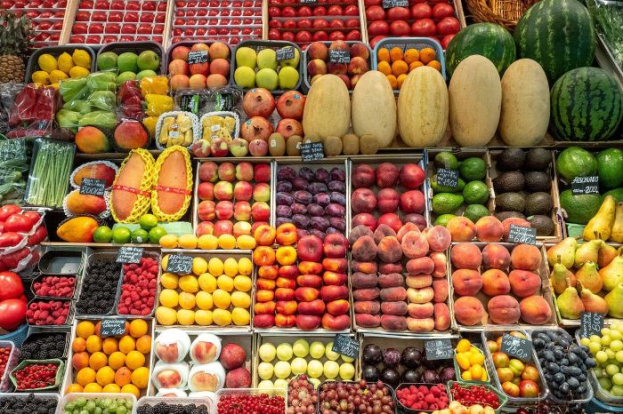
Fruits and vegetables may contain significantly fewer nutrients than they did 60 years ago. According to a new study, levels of several essential minerals and vitamins in agricultural produce have fallen by 20% to 50%. Researchers cite declining soil quality as one of the main reasons, the New York Post reports.
The findings come from specialists at British research company Deep Science Ventures. According to their analysis, fruits and vegetables grown in the United States today contain lower levels of vital nutrients, including vitamin C, calcium and iron.
To obtain the same amount of certain minerals — such as copper, magnesium and potassium — that foods contained in the 1960s, people may now need to eat twice as many fruits and vegetables. Declining levels of several essential nutrients have also affected bread, grain products, apples, peas and carrots.
“For 60 years, we have measured food security in terms of calories… And by that measure, we have achieved remarkable results,” wrote Will Summers, one of the report’s authors.
“But all this time, we have been quietly hollowing out the nutritional content of our food,” the researcher added.
Since the beginning of the so-called Green Revolution in the 1960s, agriculture has achieved substantial increases in global food production and cereal crop yields. However, the study’s authors note that the emphasis was placed on the quantity of food produced rather than its nutritional value.
The result is a problem scientists call “hidden hunger”: people may consume enough calories while still lacking essential vitamins and minerals. Researchers estimate that around two billion people worldwide suffer from this form of malnutrition.
The problem is compounded by the growing prevalence of ultra-processed foods, which are often high in calories but fail to provide the body with sufficient amounts of essential nutrients. This can contribute to what is known as the “triple burden of malnutrition,” in which obesity can coexist with micronutrient deficiencies.
To assess the changes, researchers compared historical food composition databases with agricultural crop archives. Among other sources, they examined wheat samples collected over a period of 160 years. The findings point to a systematic decline in the mineral and protein content of several major food crops — in some cases, by 20% to 50%.
The consequences extend far beyond nutrition. According to the report’s authors, micronutrient deficiencies cost some countries the equivalent of up to 3% of their GDP each year through reduced labour productivity and increased healthcare spending. Nutrient deficiencies also raise the risk of chronic diseases, pregnancy complications and developmental problems in children.
Researchers warn that the problem could worsen over the coming decades. They identify rising atmospheric carbon dioxide levels, soil degradation and agricultural policies focused primarily on increasing yields as key risk factors.
To address the issue, the authors propose rethinking the very concept of food security by assessing not only the availability and quantity of food but also its nutritional value. Other recommended measures include establishing nationwide systems to monitor nutrient levels in food and promoting farming practices designed to restore organic matter in the soil.
According to the researchers, improving soil quality could benefit not only human health but farmers themselves by enhancing crop quality and strengthening the economic sustainability of agriculture.
Follow NEWS.am STYLE on Facebook, Twitter and Instagram

- Fruits and Vegetables Are Up to 50% Less Nutritious Than in the 1960s: Scientists Warn of ‘Nutrient Depletion’ in Food Fruits and vegetables may contain significantly fewer nutrients than they did 60 years ago. According to a new study, levels of several essential minerals and vitamins in agricultural produce have fallen by 20% to 50%. Researchers cite declining soil quality as one of the main reasons, the New York Post reports...
- 30,000 Bottles of Fine Wine Worth £4 Million Stolen in Italy in Suspected Biggest Winery Heist in the Country’s History Italy has been hit by what is believed to be the biggest winery heist in the country’s history, with a gang of professional thieves making off with around 30,000 bottles of fine wine worth an estimated £4 million...
- Can Garlic Help You Win a Woman Over? Scientists Explore How Food Affects Dating Before a first date, it is worth thinking about more than just what to wear — what you eat may also make a difference. Researchers have found that diet can influence first impressions, affecting everything from skin tone and body odor to facial flushing and even pupil size...
- Private Maldives Island Listed for $72 Million — and Buyers Can Pay in Cryptocurrency An extraordinary piece of luxury real estate has hit the market in the Maldives: a private island featuring four fully furnished villas, its own beach and a coral reef. Part of the new Baccarat Maldives resort development, the island is listed for $72 million. What makes the deal particularly unusual is that buyers can pay not only with traditional currency but also with stablecoins — digital assets pegged to the value of the US dollar, Robb Report reports...
- Why Do Billionaires Have So Many Children If They Aren’t Prepared to Raise Them Themselves? Kim Kardashian’s admission that five nannies help care for her four children has sparked an uproar. But among the ultrawealthy, there are far more extreme approaches to parenthood, The Guardian reports...




-
14:38, October 12
Tobey Maguire ‘Walks’ Ex-Wife Down the Aisle to Marry Billionaire Heir Just Weeks After Their Divorce Was Finalised -
14:17, October 12
Fruits and Vegetables Are Up to 50% Less Nutritious Than in the 1960s: Scientists Warn of ‘Nutrient Depletion’ in Food -
13:29, October 12
‘I Only Held a Dollar Bill for the First Time Five Years Ago’: Britney Spears Slams Her Parents Over Years of Conservatorship -
12:41, October 12
‘I Don’t Want to Get Naked in Front of a Stranger’: Amanda Seyfried Turned Down Lead Role Over Sex Scenes -
12:20, October 12
‘Die After a Performance and Go Skydiving at 100’: Judi Dench Is Not Afraid of Ageing or Death -
11:28, October 12
‘Spaghetti Killer’: Brooklyn Beckham Mocked Online Yet Again Over His Latest Cooking Video -
11:11, October 12
Kelly Clarkson Blasts Store After Humiliating Shopping Experience: “You’re an Idiot” -
10:30, October 12
Loved-Up Lewis Hamilton and Glamorous Kim Kardashian Reunite at the Singapore Grand Prix -
19:19, October 10
Meghan Markle Wants to Flee Prince Harry as Reports Claim Their Marriage Is on the Brink of Collapse -
18:20, October 10
30,000 Bottles of Fine Wine Worth £4 Million Stolen in Italy in Suspected Biggest Winery Heist in the Country’s History -
17:33, October 10
Can Garlic Help You Win a Woman Over? Scientists Explore How Food Affects Dating -
16:30, October 10
Private Maldives Island Listed for $72 Million — and Buyers Can Pay in Cryptocurrency
All materials

@NEWSam_STYLE
@NEWSam_STYLE
- Archive