


NEWS.am STYLE

NEWS.am STYLE

NEWS.am STYLE

NEWS.am STYLE

NEWS.am STYLE
NEWS.am STYLE

NEWS.am STYLE

NEWS.am STYLE

NEWS.am STYLE

The 23rd "Golden Apricot" Yerevan International Film Festival has kicked off

NEWS.am STYLE

NEWS.am STYLE

NEWS.am STYLE

NEWS.am STYLE

Nikos Vertis to perform in Armenia for the 3rd time at the invitation of “ACVA BUILDINGS”

NEWS.am STYLE

NEWS.am STYLE
NEWS.am STYLE


Japanese Ice at $1.50 a Cube: The New Luxury Status Symbol at the World’s Best Bars
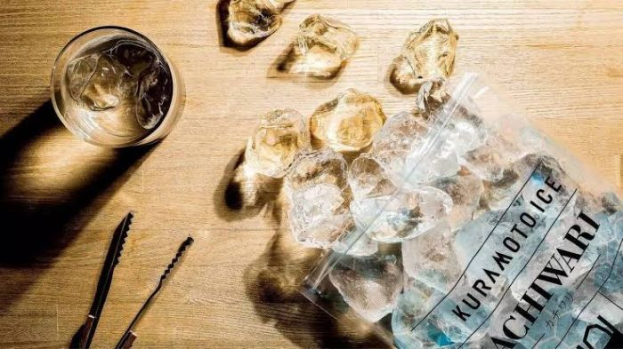
In the historic Japanese city of Kanazawa, craftsmen carefully shape and carve enormous blocks of ice destined to chill Negronis in some of the world’s most fashionable bars, AFP reports.
These specialists work for Kuramoto Ice, a century-old company based in Ishikawa Prefecture on the coast of the Sea of Japan. It is one of dozens of Japanese businesses producing premium ice of exceptional clarity.
Today, this seemingly ordinary product has become a genuine luxury accessory for cocktails. The ice is believed to melt more slowly than regular ice, making it increasingly popular in Japan’s cocktail culture. But the craze for expensive ice has already spread far beyond the country: bars in the United States, Australia and elsewhere are willing to pay up to 200 yen — around $1.30 — for a single cube.
Kuramoto Ice is one of the few Japanese companies exporting this type of ice overseas. Since it began international shipments in 2019, its overall sales have more than doubled.
“We don’t rush anything. We freeze the water slowly while constantly keeping it moving. That’s how you make good ice,” the company’s fifth-generation head told AFP at the Kanazawa factory.
“My heart literally skips a beat with joy when I see ice that looks like a precious gemstone,” the 41-year-old entrepreneur said as he poured chilled hojicha tea into a glass containing a perfectly clear sphere of ice.
The technology, originally developed in the United States, has been transformed into something approaching an art form in Japan. Specialized producers freeze water for 48 to 72 hours — far longer than the roughly 30 minutes needed to make ordinary ice at home or in commercial ice machines.
As water begins to freeze, crystallization progresses from the outer walls toward the center. Various impurities are gradually pushed inward. The Japanese method involves removing this concentrated, impure water and replacing it with fresh water.
Constant agitation also helps eliminate air bubbles. The result is almost perfectly transparent ice, known in Japan as junpyo.
Although there is little conclusive scientific evidence to support the claim, the technique is believed to produce colder, denser ice that chills a cocktail without diluting it with excess water.
Japan’s Crystal-Clear Ice Goes Global
The popularity of Japanese ice is rapidly growing overseas.
Take Native, the fashionable Singapore bar that made this year’s list of Asia’s 50 Best Bars. It imports around 900 kilograms of Kuramoto ice every year.
“Local ice is cheaper, but Kuramoto Ice is clearer, denser and melts more slowly,” co-owner Yong Wei said.
Back in Kanazawa, workers in protective clothing manually move enormous blocks of ice around the factory before beginning the painstaking work of carving them into perfectly even spheres, cubes and rectangular blocks with beveled edges.
The ice can even be made to precisely fit the dimensions of a particular glass at a customer’s request.
Finished pieces are packaged and stored in a dedicated room kept at –10°C before being shipped to customers around the world.
Kuramoto acknowledges the environmental cost of transporting ice thousands of miles, but believes that the relatively small volume of the product means its overall environmental impact is comparatively limited.
His dream of entering the US market dates back more than a decade, when he visited Las Vegas and noticed an apparent paradox: expensive cocktails were being served with poor-quality ice that melted quickly and diluted the drinks.
Meanwhile, the labor-intensive ice-making technique that is still widely used in Japan to produce a higher-quality product has all but disappeared in the United States.
At a Hilton hotel near Tokyo, bartender Shingo Miyachi prepares a Negroni using one of Kuramoto Ice’s large, crystal-clear cubes.
The cube fits the glass perfectly and, thanks to its remarkable transparency, becomes almost invisible.
“Ice really has an enormous impact on the taste of a cocktail,” Miyachi explains.
According to him, the difference becomes particularly noticeable in the drink’s aftertaste as the ice begins to melt.
Working with ice is considered one of the most important skills for Japanese bartenders. Many begin their training by learning how to break and shape ice with precision and care.
“When you look at the ice and see how much attention has gone into every detail, you can almost immediately tell how seriously the bartender takes the taste of the cocktail and how much care they have put into it,” Miyachi says. “A cocktail is truly born only when the glass, the ice and the liquid become one.”
Follow NEWS.am STYLE on Facebook, Twitter and Instagram

- «When You Step Into an Aircraft, It Doesn’t Ask Whether You’re a Man or a Woman»: Pilot and Composer Narine Melkumyan Today, alongside her independent work as a flight instructor, Narine also represents Italian aircraft manufacturer Tecnam in the Netherlands through the British company Oriens Aviation. Her responsibilities include developing sales, expanding the brand’s presence in the Dutch market, and conducting demonstration flights in new Tecnam aircraft models...
- Michelin Guide Scandal: Prestigious Restaurant Guide Accused of Using AI to Write Reviews The prestigious Michelin Guide has found itself at the center of a controversy following an investigation by American magazine D Magazine. The publication alleges that artificial intelligence may have written most, if not all, of the new reviews of Dallas restaurants featured in the guide’s 2026 edition. Michelin has denied the allegations...
- Rolex Instead of Gold: Why Billionaires Are Investing in Watches, Rubies, and Klimt Paintings The world’s wealthiest families are increasingly putting their money into luxury collectibles, from Rolex watches and gemstone jewelry to works of art. For them, these assets offer not only a way to protect wealth against inflation and market turmoil, but also an opportunity to signal status. However, experts warn that not every expensive item makes a profitable investment, Fortune reports...
- “It’s Not a Catastrophe”: LVMH Heir Explains Why Luxury Brands Shouldn’t Panic Over the Crisis In an interview excerpt published by FashionNetwork, Arnault emphasized that the group’s strategy is built on patience, a forward-looking mindset, and working with the best talent. “Our strategy is to look ahead, remain patient, and work with the best talent,” he said...
- The First Woman to Paint Erotic Art: The Story of Renaissance Artist Lavinia Fontana During her lifetime, she was celebrated as a talented portraitist, received commissions from powerful cardinals, and saw her paintings adorn the homes of Italian nobility...




-
19:28, October 17
«When You Step Into an Aircraft, It Doesn’t Ask Whether You’re a Man or a Woman»: Pilot and Composer Narine Melkumyan -
18:18, October 17
Michelin Guide Scandal: Prestigious Restaurant Guide Accused of Using AI to Write Reviews -
17:32, October 17
Rolex Instead of Gold: Why Billionaires Are Investing in Watches, Rubies, and Klimt Paintings -
16:04, October 17
“It’s Not a Catastrophe”: LVMH Heir Explains Why Luxury Brands Shouldn’t Panic Over the Crisis -
15:29, October 17
Cher Reveals the Secret Behind Her Legendary “Naked” Met Gala Dress -
14:11, October 17
Michael Douglas Recalls Danny DeVito Swallowing All Their Joints When Police Pulled Them Over -
13:22, October 17
“You’ve Humiliated Me!” Meghan Markle Cut Ties With Designer Over Kate Middleton Blunder -
12:17, October 17
Kim Kardashian Celebrates 46th Birthday in a Dress Made Almost Entirely of Strings -
11:50, October 17
“She Showed Photos of Penises and Bragged About Her Lovers”: Scandal Surrounding Former US Ambassador to Greece Deepens -
11:12, October 17
Mike Tyson Spends Thousands on Perfume, With Each Bottle Costing Up to $6,000 -
10:30, October 17
Billionaire Heiress Spends Up to $60,000 a Year on Beauty, Including Botox Since Age 23 and $500 Manicures -
23:06, October 16
The First Woman to Paint Erotic Art: The Story of Renaissance Artist Lavinia Fontana
All materials

@NEWSam_STYLE
@NEWSam_STYLE
- Archive