



NEWS.am STYLE

NEWS.am STYLE

NEWS.am STYLE

NEWS.am STYLE

NEWS.am STYLE
NEWS.am STYLE

NEWS.am STYLE

NEWS.am STYLE

NEWS.am STYLE

The 23rd "Golden Apricot" Yerevan International Film Festival has kicked off

NEWS.am STYLE

NEWS.am STYLE

NEWS.am STYLE

NEWS.am STYLE

Nikos Vertis to perform in Armenia for the 3rd time at the invitation of “ACVA BUILDINGS”

NEWS.am STYLE

NEWS.am STYLE

NEWS.am STYLE
Rolex Instead of Gold: Why Billionaires Are Investing in Watches, Rubies, and Klimt Paintings
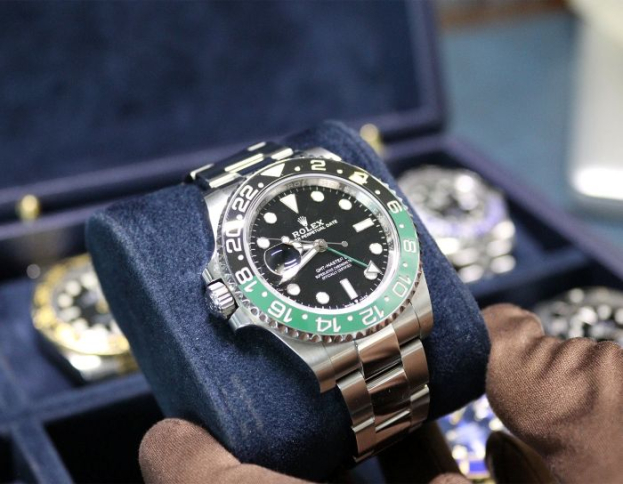
The world’s wealthiest families are increasingly putting their money into luxury collectibles, from Rolex watches and gemstone jewelry to works of art. For them, these assets offer not only a way to protect wealth against inflation and market turmoil, but also an opportunity to signal status. However, experts warn that not every expensive item makes a profitable investment, Fortune reports.
According to a BNY Wealth study covering 290 family offices managing the wealth of families with at least $250 million in investable assets, nearly two-thirds of respondents hold assets that are not directly tied to the rest of their investment portfolios. That is almost twice the share reported a year earlier. Many have increased their holdings of luxury assets, including watches, jewelry, art, alcoholic beverages, sports teams, and music rights.
Nearly half of those surveyed manage more than $1 billion in wealth. They identified inflation and potential central bank policy mistakes as the biggest risks over the next five years.
According to Chuck Long, head of global markets and family offices at BNY Wealth, some assets, such as sports and media rights, can help protect wealth against inflation because they allow owners to raise prices and generate recurring income.
However, the most notable increase in investment has not been in assets that produce a steady stream of revenue, but in tangible valuables such as watches, jewelry, paintings, and collectible spirits. In this respect, buying a Patek Philippe watch resembles purchasing gold: both are viewed as ways to preserve wealth during periods of economic uncertainty.
Rolex and Patek Philippe Gain Value as Wine Loses Ground
Performance across the luxury collectibles market has been mixed, although some categories have proved relatively resilient.
According to Knight Frank, its Luxury Investment Index, which tracks ten categories of collectible assets, fell by just 0.4% in 2025.
Sales of art at major auction houses rose 11% over the year. One of the biggest highlights was the sale of Gustav Klimt’s Portrait of Elisabeth Lederer at Sotheby’s in November 2025 for $236.4 million.
On the secondary watch market, prices rose by 5.1%. Patek Philippe watches gained 12.1%, while Rolex prices increased by 4.6%.
Collectible wine, by contrast, had a more difficult year. Prices fell by 2.5% in 2025 amid US tariffs and weakening demand, leaving them nearly a quarter below their 2022 peak.
In the Age of AI, Taste Matters
In a world where technology can produce an ever-growing range of goods and content, individual taste may become a defining marker of distinction. That was the point made by Y Combinator co-founder Paul Graham, who wrote in February 2026: “In the age of AI, taste will become even more important. When anyone can create anything, what matters most is what you choose to create.”
A similar principle applies when ultrawealthy individuals buy luxury collectibles: what matters is not simply how much an item costs, but which particular piece they choose.
Research suggests that an object’s value depends less on its belonging to the luxury category than on its specific appeal to buyers. This is especially evident in the art market.
Follow NEWS.am STYLE on Facebook, Twitter and Instagram

- «When You Step Into an Aircraft, It Doesn’t Ask Whether You’re a Man or a Woman»: Pilot and Composer Narine Melkumyan Today, alongside her independent work as a flight instructor, Narine also represents Italian aircraft manufacturer Tecnam in the Netherlands through the British company Oriens Aviation. Her responsibilities include developing sales, expanding the brand’s presence in the Dutch market, and conducting demonstration flights in new Tecnam aircraft models...
- Michelin Guide Scandal: Prestigious Restaurant Guide Accused of Using AI to Write Reviews The prestigious Michelin Guide has found itself at the center of a controversy following an investigation by American magazine D Magazine. The publication alleges that artificial intelligence may have written most, if not all, of the new reviews of Dallas restaurants featured in the guide’s 2026 edition. Michelin has denied the allegations...
- Rolex Instead of Gold: Why Billionaires Are Investing in Watches, Rubies, and Klimt Paintings The world’s wealthiest families are increasingly putting their money into luxury collectibles, from Rolex watches and gemstone jewelry to works of art. For them, these assets offer not only a way to protect wealth against inflation and market turmoil, but also an opportunity to signal status. However, experts warn that not every expensive item makes a profitable investment, Fortune reports...
- “It’s Not a Catastrophe”: LVMH Heir Explains Why Luxury Brands Shouldn’t Panic Over the Crisis In an interview excerpt published by FashionNetwork, Arnault emphasized that the group’s strategy is built on patience, a forward-looking mindset, and working with the best talent. “Our strategy is to look ahead, remain patient, and work with the best talent,” he said...
- The First Woman to Paint Erotic Art: The Story of Renaissance Artist Lavinia Fontana During her lifetime, she was celebrated as a talented portraitist, received commissions from powerful cardinals, and saw her paintings adorn the homes of Italian nobility...




-
19:28, October 17
«When You Step Into an Aircraft, It Doesn’t Ask Whether You’re a Man or a Woman»: Pilot and Composer Narine Melkumyan -
18:18, October 17
Michelin Guide Scandal: Prestigious Restaurant Guide Accused of Using AI to Write Reviews -
17:32, October 17
Rolex Instead of Gold: Why Billionaires Are Investing in Watches, Rubies, and Klimt Paintings -
16:04, October 17
“It’s Not a Catastrophe”: LVMH Heir Explains Why Luxury Brands Shouldn’t Panic Over the Crisis -
15:29, October 17
Cher Reveals the Secret Behind Her Legendary “Naked” Met Gala Dress -
14:11, October 17
Michael Douglas Recalls Danny DeVito Swallowing All Their Joints When Police Pulled Them Over -
13:22, October 17
“You’ve Humiliated Me!” Meghan Markle Cut Ties With Designer Over Kate Middleton Blunder -
12:17, October 17
Kim Kardashian Celebrates 46th Birthday in a Dress Made Almost Entirely of Strings -
11:50, October 17
“She Showed Photos of Penises and Bragged About Her Lovers”: Scandal Surrounding Former US Ambassador to Greece Deepens -
11:12, October 17
Mike Tyson Spends Thousands on Perfume, With Each Bottle Costing Up to $6,000 -
10:30, October 17
Billionaire Heiress Spends Up to $60,000 a Year on Beauty, Including Botox Since Age 23 and $500 Manicures -
23:06, October 16
The First Woman to Paint Erotic Art: The Story of Renaissance Artist Lavinia Fontana
All materials

@NEWSam_STYLE
@NEWSam_STYLE
- Archive