


NEWS.am STYLE
NEWS.am STYLE
NEWS.am STYLE

NEWS.am STYLE
NEWS.am STYLE
NEWS.am STYLE

NEWS.am STYLE
NEWS.am STYLE
NEWS.am STYLE
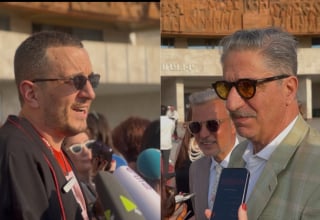
The 23rd "Golden Apricot" Yerevan International Film Festival has kicked off
NEWS.am STYLE
NEWS.am STYLE
NEWS.am STYLE
NEWS.am STYLE
Nikos Vertis to perform in Armenia for the 3rd time at the invitation of “ACVA BUILDINGS”
NEWS.am STYLE
NEWS.am STYLE
NEWS.am STYLE
«When You Step Into an Aircraft, It Doesn’t Ask Whether You’re a Man or a Woman»: Pilot and Composer Narine Melkumyan
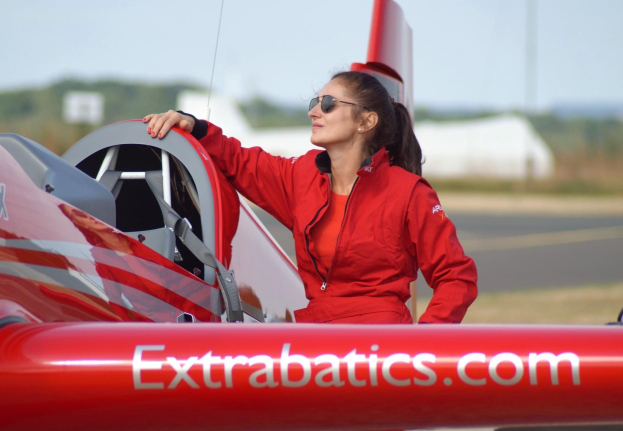
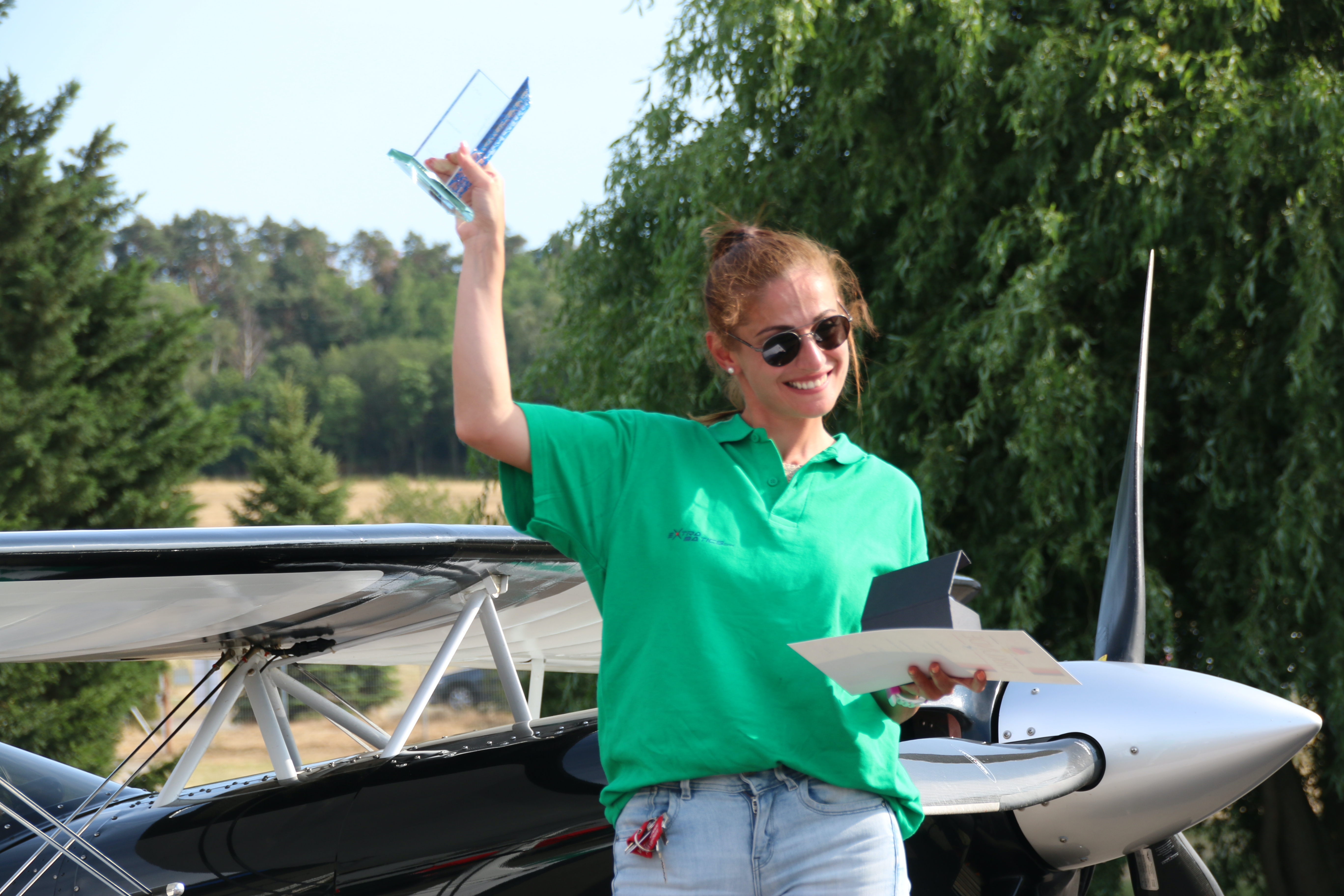
Born in Armenia, Narine Melkumyan now lives in the Netherlands, where she works as a flight instructor. She holds a commercial pilot licence, with qualifications for instrument flying and operating multi-engine aircraft. She also flies the Extra 330LX and Extra 330NG aerobatic aircraft and practises aerobatic flying. Today, alongside her independent work as a flight instructor, Narine also represents Italian aircraft manufacturer Tecnam in the Netherlands through the British company Oriens Aviation. Her responsibilities include developing sales, expanding the brand’s presence in the Dutch market, and conducting demonstration flights in new Tecnam aircraft models.
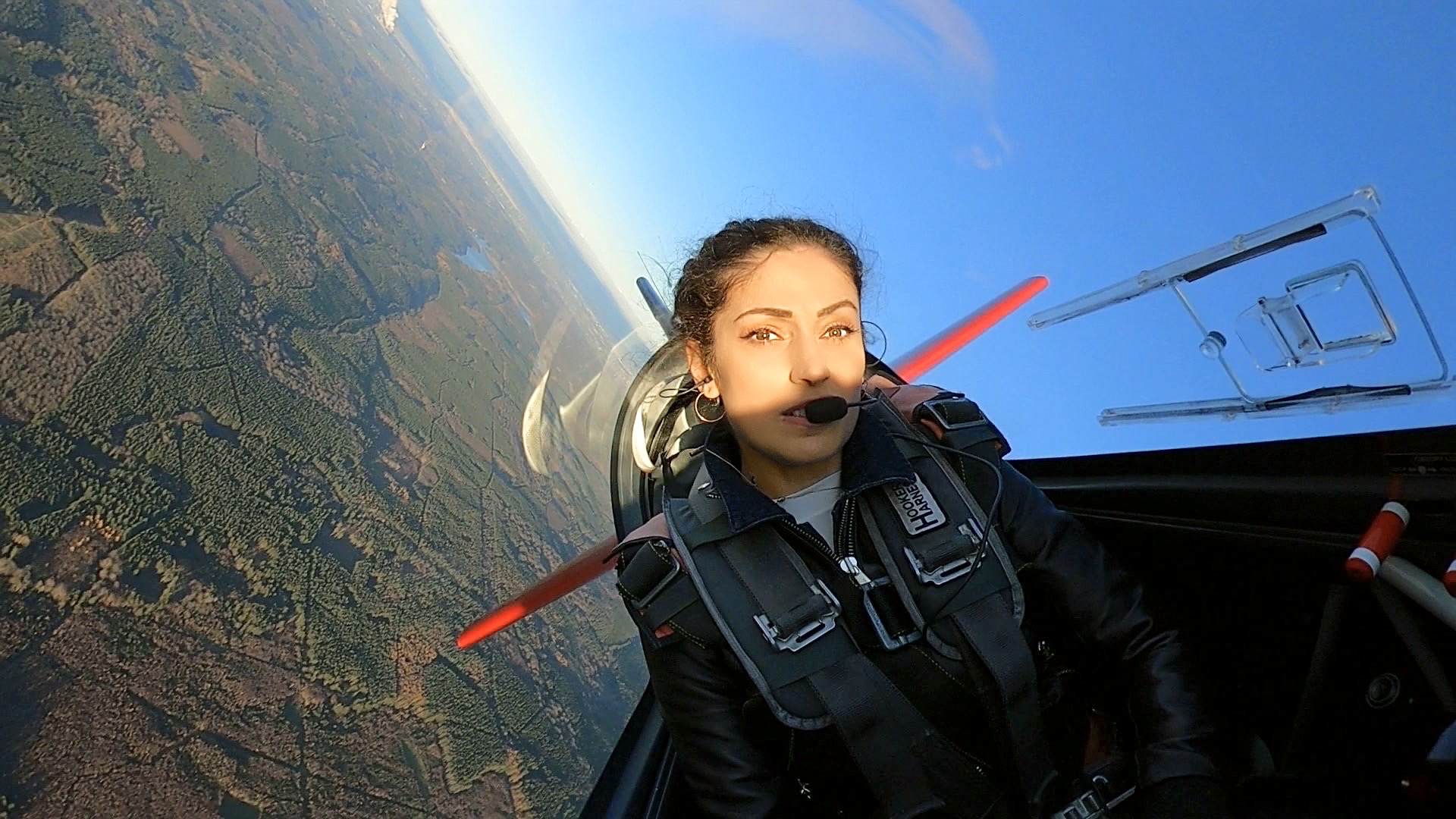
But there is another side to her story: music. As a child, Narine graduated from music school with a specialisation in piano, only to return to the instrument years later. Today, under the pseudonym The Flying Pianist, she composes music inspired by flying, memories and her own life story.
We spoke with Narine about her childhood in Armenia and Ukraine, ten years in the corporate world, her decision to become a pilot at 34, women in aviation, and why sometimes all it takes to begin again is to stop believing that it is already too late.
What stayed with you from Armenia after you left at the age of five?
I was born in Armenia, and my parents are Armenian. My mother is from Artsakh, and my father is from the Sevan region. But I left Armenia when I was five and grew up in Ukraine, where I attended a regular school and a music school.
I have been living in the Netherlands since I was 18.
Of course, much of Armenian culture remained part of our family life. Our attitude towards family, hospitality, cuisine, music and the Armenian language were all part of our everyday lives. They were not necessarily traditions we had to make a conscious effort to preserve. They were simply all around us.
How did music enter your life in the first place?
My story with the piano began when I was about six. I was attending school in Ukraine, where we stayed for after-school care. After lunch, the children were supposed to have a quiet hour and sleep. But I would secretly leave the room where everyone was resting and return to the classroom, trying not to wake anyone.
There, I would sit at a desk and draw piano keys on a piece of paper. I would put the drawing inside the desk drawer, leaving it open, and spend a long time moving my fingers across my paper piano, imagining that a real instrument was in front of me.
The teachers must have noticed what I was doing day after day, but they never stopped me. Instead, they told my parents how I spent the quiet hour. That was how my parents realised just how strongly I was drawn to the piano and decided to enrol me in music school. Children could only be admitted to the piano department from the age of seven, so we had to wait a little.
At seven, I began studying at a classical music school in Ukraine and eventually graduated. I studied there for seven years.
How does someone with a musical education end up in the corporate world?
After school, I moved to the Netherlands, where I continued my education in international business. I earned a double degree through HAN University of Applied Sciences in the Netherlands and Plekhanov Russian University of Economics in Moscow. Later, I also completed a programme in financial technology (FinTech) at the Massachusetts Institute of Technology (MIT).
After that, I spent around ten years working in international business.
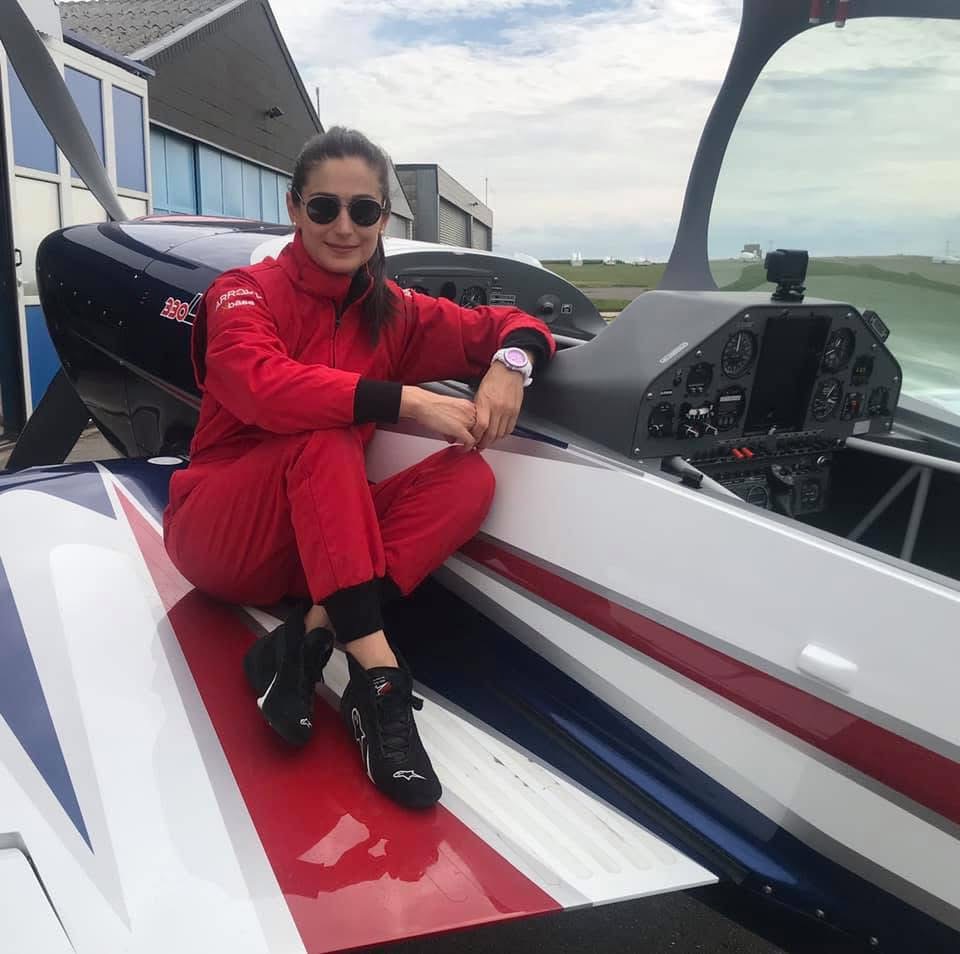
When I turned 34, I began training as a pilot and returned to the piano almost simultaneously. This marked the beginning of a completely new chapter in my life, in which aviation and music came together.
Why aviation?
Whenever we travelled from Armenia to Artsakh, we had to go by bus. Back then, the journey could take around fourteen hours. I remember those endless winding mountain roads, the mountains and the gorges. Even as a child, I wanted one thing: to be able to rise into the sky and simply fly over the mountains, choosing the shortest route instead of spending hours on a road full of endless turns.
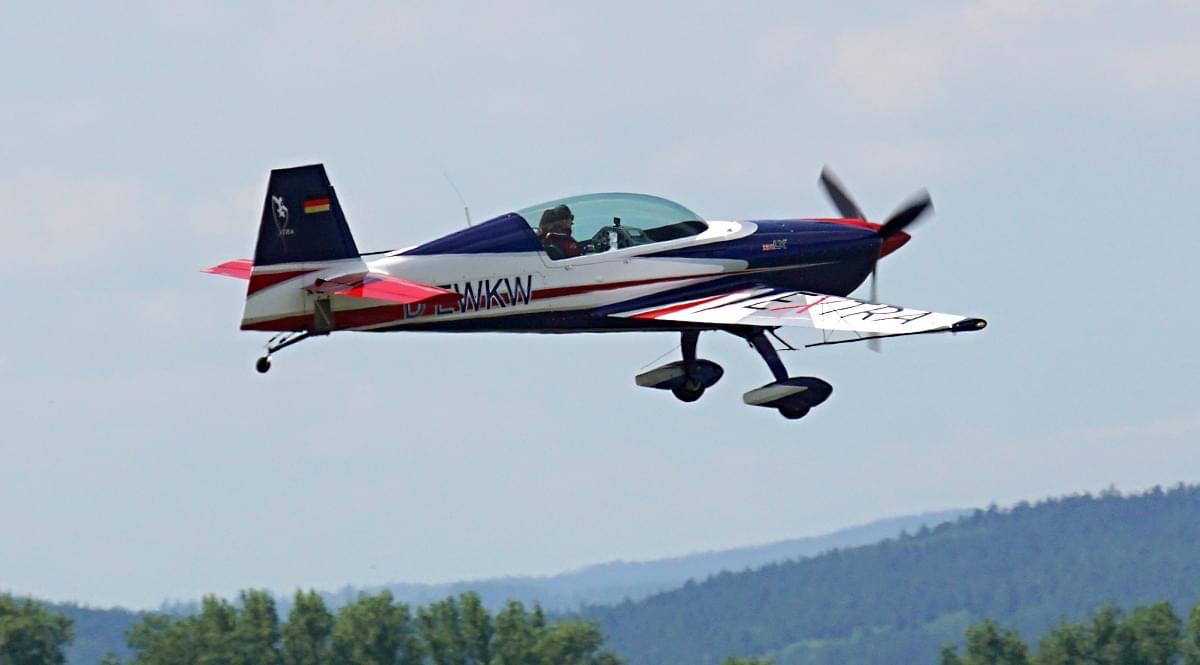
Perhaps that was when my dream of flying first began to take shape. I was drawn to the idea that, from the sky, I could see the entire route from above and chart a course where travelling on the ground seemed almost impossible.
For a long time, I did not tell anyone about this dream. It seemed so far removed from my reality that I could not even imagine how I might one day make it come true. Years later, after bringing my corporate career to a close, I took a year off to reconsider my direction and understand what I truly wanted to do.
And then I thought: why not finally try to pursue the dream I had carried since childhood?
I was 34.
Did you ever feel that starting over at 34 was too late?
Of course, I understood that it was a huge responsibility. When you are 34 and starting a new profession, you approach risk very differently. But you simply take the first step. Then the second. Then the third. And gradually, you realise that you can keep going.
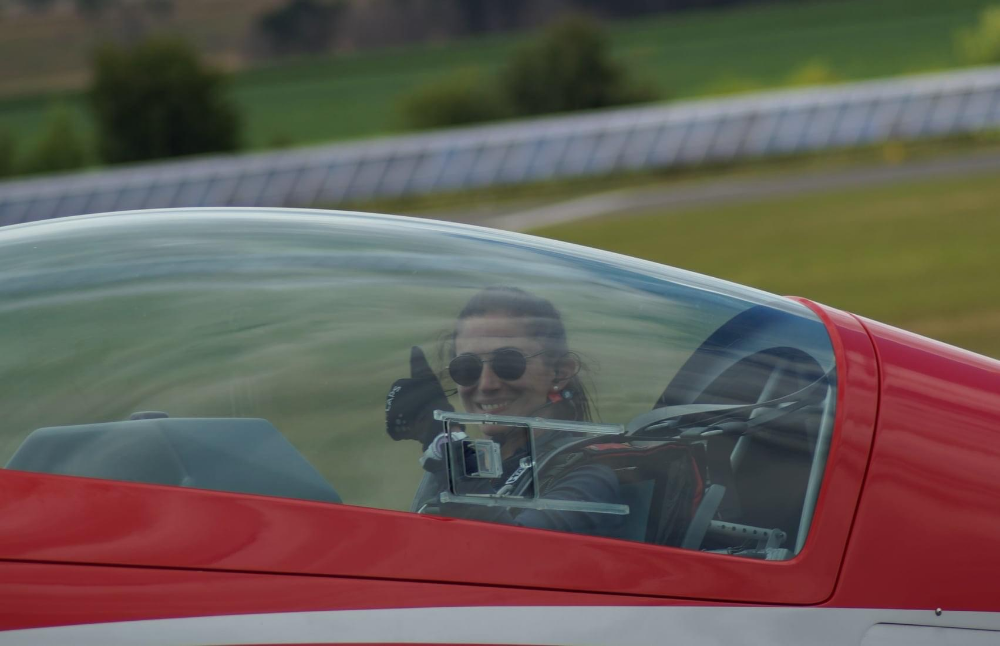
I think the beginning is the hardest part. Before you know how everything works, it all seems incredibly complicated. Once you start doing it, a lot of things become clearer.
What do music and aviation have in common?
People often see music and aviation as two completely different worlds. But somehow, they have come together in my life. If you think about it, they have a lot in common. Music has structure, rhythm and harmony. It requires precision and discipline. Aviation is much the same. To me, they are like two different languages expressing the same thing.
When did your flights begin turning into music?
Almost from the very beginning of my journey into aviation, flying became a new source of inspiration for me, while music became a way to express feelings and experiences that are sometimes difficult to put into words. Some of my compositions are directly connected to specific events in my flying career. For example, The Night Flight was inspired by the experience of a night flight, while Get Up In The Air is connected to my first solo flight and my subsequent decision to continue pursuing aviation.
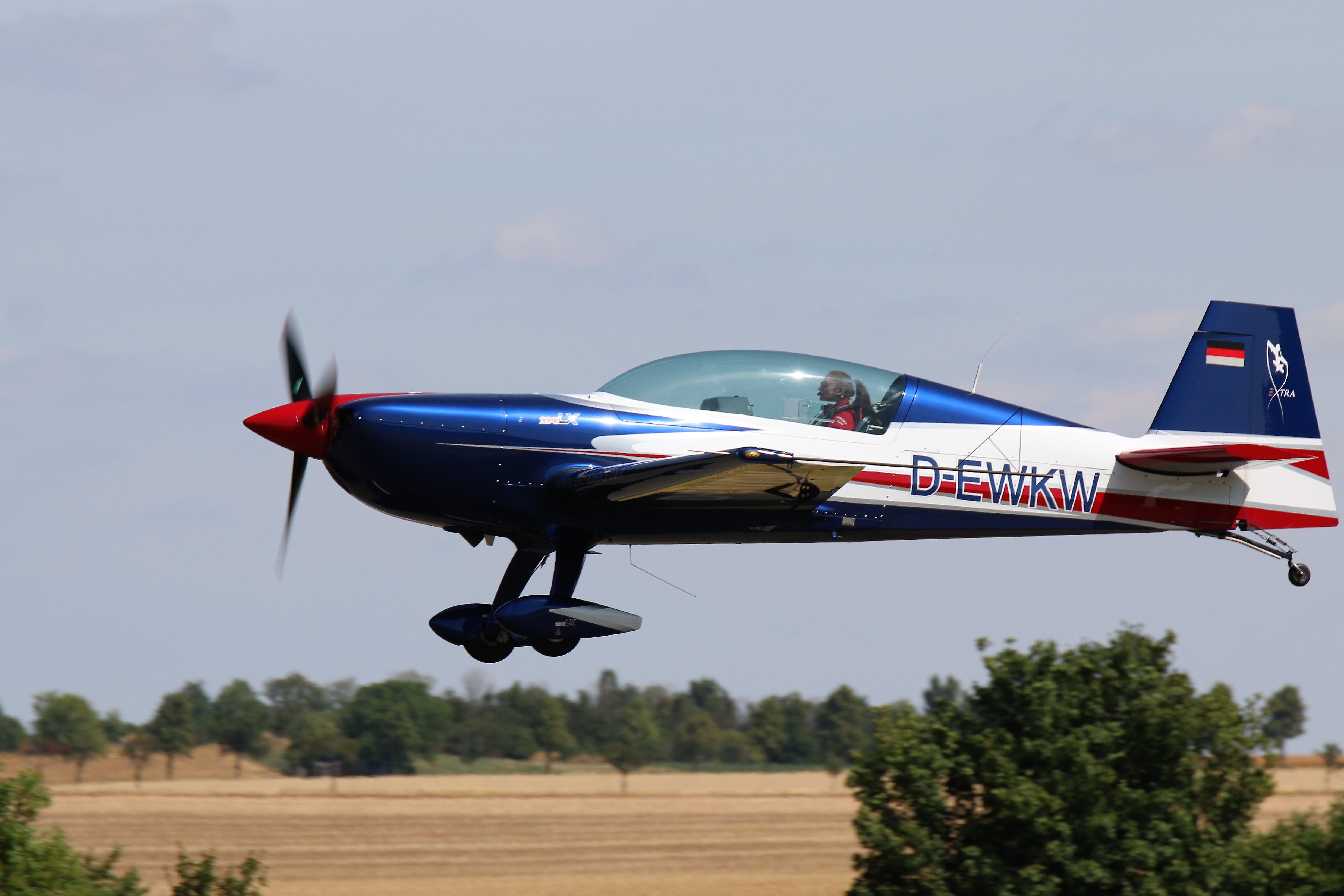
Above the Cotton Clouds was inspired by instrument flying, when you pass through the clouds and then find yourself above them. Airborne is dedicated to the memory of my pilot friends who, sadly, are no longer with us. Many of my compositions tell stories. Some are directly connected to aviation. After all, we never live in just one reality. There is what happens to us here and now, as well as the memories, emotions and things we carry within us.
And all of this becomes material for music.
That is how The Flying Pianist came about - a pseudonym that brings together two sides of her life.
But your music is not only about the sky. Is Armenia part of it, too?
Yes. For example, The Stairs to Her Door and The Yard Gate to Her Home are dedicated to my grandmother. They are memories of her home in Karabakh. That house no longer exists. But I didn’t want to create a story about loss that was simply pessimistic. For me, music became a way to preserve a memory. I believe we should remember the good things, too. We don’t have to hold on only to the painful ones.
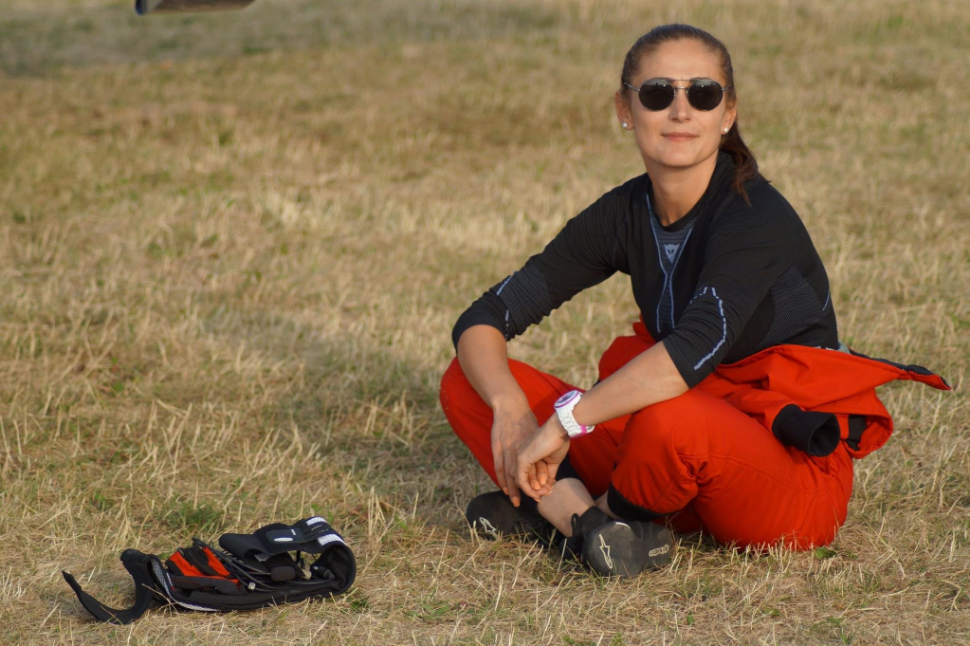
There are different ways to do that. Some people paint, others write books, and some create music. Through art, we can preserve things that might otherwise disappear. Even my desire to fly is closely connected to that journey to Artsakh. In the end, everything is connected.
In 2023, you returned to Armenia not simply as someone coming home, but as a pilot. Is that right?
Yes. In 2023, I came to Armenia as a pilot. A colleague from Germany told me that an aircraft was flying from Germany to Armenia, and I was invited to help train the first students on that aircraft. That was how I found myself back in Armenia in a completely different role.
Who were your students in Armenia?
There were young people who wanted to learn to fly, but also older students who had already established themselves in other professions. Some were pilots who already held licences but wanted to gain additional experience on a particular aircraft before moving on to another type.
One of the women I worked with was very young. She was about 17 and already wanted to become a pilot.
There are still relatively few women in aviation. Have you experienced being treated as a “woman pilot” rather than simply a pilot?
When people ask me this question, my first response is, “Who exactly is asking it?” Because most often, it comes from people who are used to seeing men in aviation. And then I ask: where does that assumption come from in the first place?
Why does someone believe that a pilot has to be a man?
I usually suggest they think about their mother or grandmother, a woman in their family who raised them. How much responsibility did she carry? How much physical, emotional and mental work did she do? Then look at the profession of a pilot.
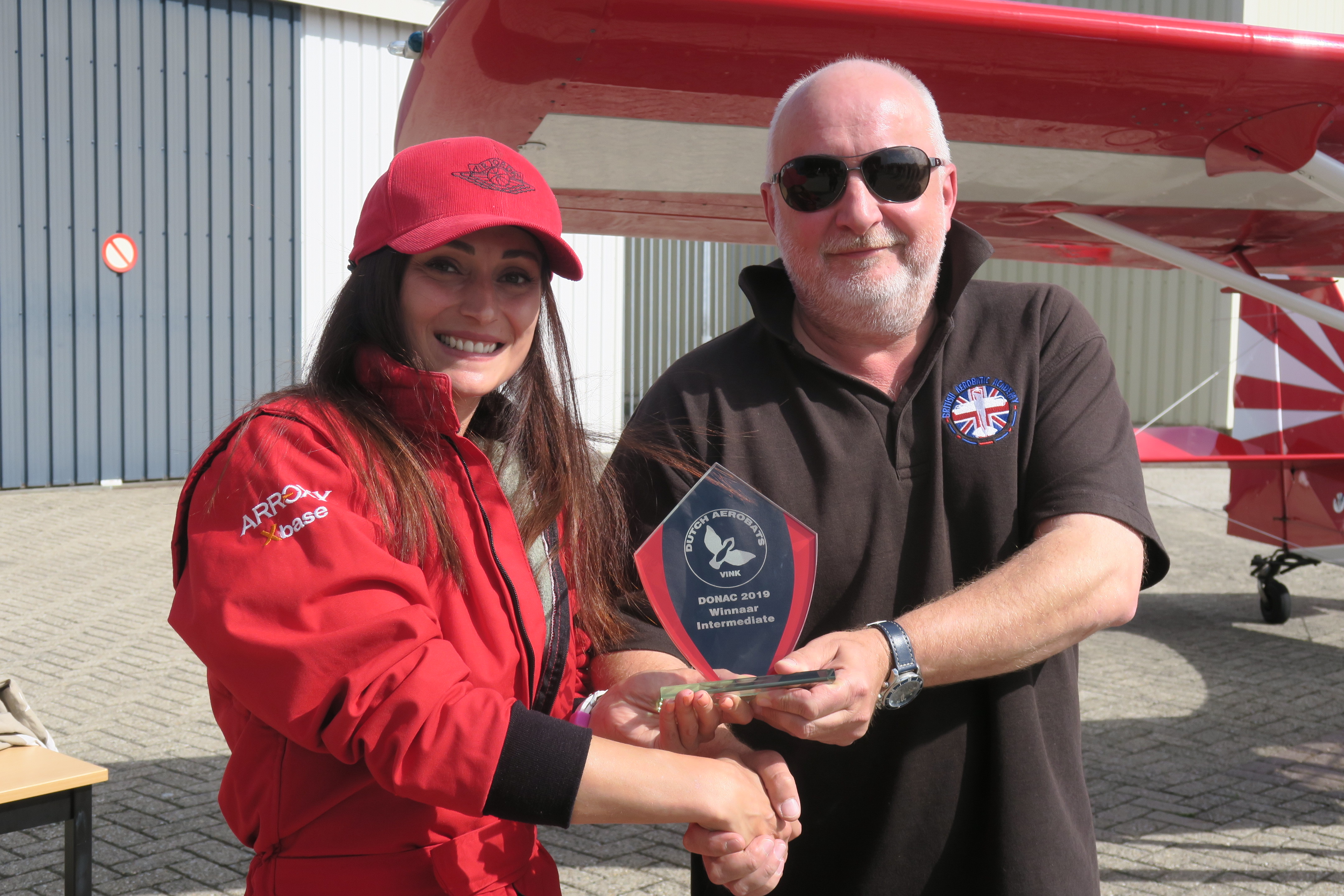
When you step into an aircraft, it does not ask whether you are a man or a woman. It does not ask what colour your hair is or what language you speak. It looks at your skills, what you can do and how well you do your job.
What would you say to people who feel that a dream is too far out of reach?
I would say: do not give up on your dream simply because it seems unattainable today. Sometimes we set limits for ourselves without even trying to find out whether those limits really exist.
You do not have to know from the very beginning how to reach your goal. Sometimes, all it takes is the first step. Then comes the second, then the third, and gradually what once seemed impossible begins to take a more tangible shape.
And it does not matter whether you are 17, 34 or 50. Age should not determine when we are allowed to begin something new. Each of us has our own path, circumstances and timing.
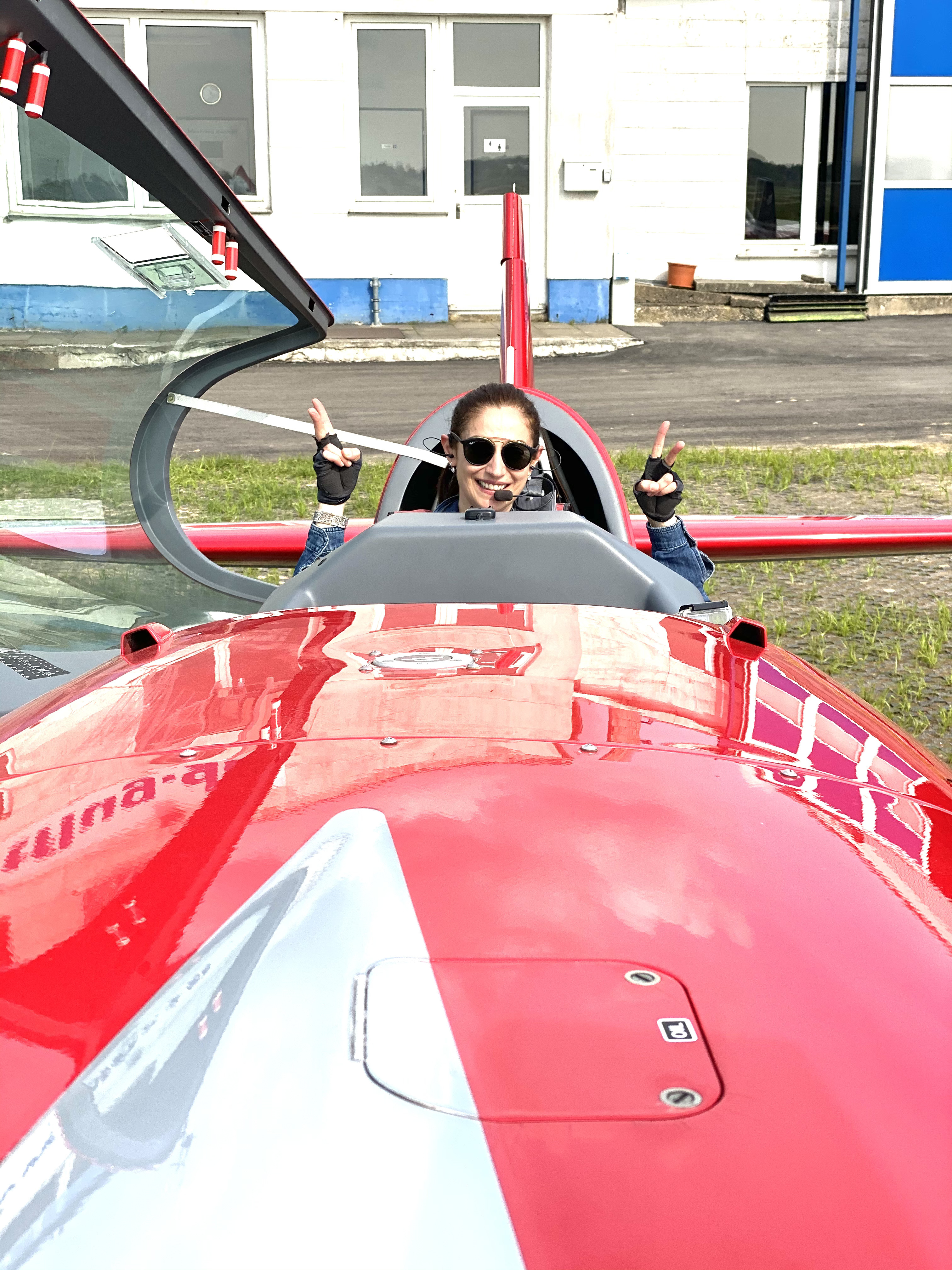
Of course, not everything depends on our wishes alone. There will inevitably be difficulties, doubts and setbacks along the way. But it is up to us to decide whether we let those circumstances stop us or find the courage to keep going.
Liana Aghajanyan
Follow NEWS.am STYLE on Facebook, Twitter and Instagram

- «When You Step Into an Aircraft, It Doesn’t Ask Whether You’re a Man or a Woman»: Pilot and Composer Narine Melkumyan Today, alongside her independent work as a flight instructor, Narine also represents Italian aircraft manufacturer Tecnam in the Netherlands through the British company Oriens Aviation. Her responsibilities include developing sales, expanding the brand’s presence in the Dutch market, and conducting demonstration flights in new Tecnam aircraft models...
- Michelin Guide Scandal: Prestigious Restaurant Guide Accused of Using AI to Write Reviews The prestigious Michelin Guide has found itself at the center of a controversy following an investigation by American magazine D Magazine. The publication alleges that artificial intelligence may have written most, if not all, of the new reviews of Dallas restaurants featured in the guide’s 2026 edition. Michelin has denied the allegations...
- Rolex Instead of Gold: Why Billionaires Are Investing in Watches, Rubies, and Klimt Paintings The world’s wealthiest families are increasingly putting their money into luxury collectibles, from Rolex watches and gemstone jewelry to works of art. For them, these assets offer not only a way to protect wealth against inflation and market turmoil, but also an opportunity to signal status. However, experts warn that not every expensive item makes a profitable investment, Fortune reports...
- “It’s Not a Catastrophe”: LVMH Heir Explains Why Luxury Brands Shouldn’t Panic Over the Crisis In an interview excerpt published by FashionNetwork, Arnault emphasized that the group’s strategy is built on patience, a forward-looking mindset, and working with the best talent. “Our strategy is to look ahead, remain patient, and work with the best talent,” he said...
- The First Woman to Paint Erotic Art: The Story of Renaissance Artist Lavinia Fontana During her lifetime, she was celebrated as a talented portraitist, received commissions from powerful cardinals, and saw her paintings adorn the homes of Italian nobility...




-
19:28, October 17
«When You Step Into an Aircraft, It Doesn’t Ask Whether You’re a Man or a Woman»: Pilot and Composer Narine Melkumyan -
18:18, October 17
Michelin Guide Scandal: Prestigious Restaurant Guide Accused of Using AI to Write Reviews -
17:32, October 17
Rolex Instead of Gold: Why Billionaires Are Investing in Watches, Rubies, and Klimt Paintings -
16:04, October 17
“It’s Not a Catastrophe”: LVMH Heir Explains Why Luxury Brands Shouldn’t Panic Over the Crisis -
15:29, October 17
Cher Reveals the Secret Behind Her Legendary “Naked” Met Gala Dress -
14:11, October 17
Michael Douglas Recalls Danny DeVito Swallowing All Their Joints When Police Pulled Them Over -
13:22, October 17
“You’ve Humiliated Me!” Meghan Markle Cut Ties With Designer Over Kate Middleton Blunder -
12:17, October 17
Kim Kardashian Celebrates 46th Birthday in a Dress Made Almost Entirely of Strings -
11:50, October 17
“She Showed Photos of Penises and Bragged About Her Lovers”: Scandal Surrounding Former US Ambassador to Greece Deepens -
11:12, October 17
Mike Tyson Spends Thousands on Perfume, With Each Bottle Costing Up to $6,000 -
10:30, October 17
Billionaire Heiress Spends Up to $60,000 a Year on Beauty, Including Botox Since Age 23 and $500 Manicures -
23:06, October 16
The First Woman to Paint Erotic Art: The Story of Renaissance Artist Lavinia Fontana
All materials

@NEWSam_STYLE
@NEWSam_STYLE
- Archive