



NEWS.am STYLE

NEWS.am STYLE

NEWS.am STYLE
NEWS.am STYLE
NEWS.am STYLE

NEWS.am STYLE

NEWS.am STYLE

NEWS.am STYLE

The 23rd "Golden Apricot" Yerevan International Film Festival has kicked off

NEWS.am STYLE

NEWS.am STYLE

NEWS.am STYLE

NEWS.am STYLE

Nikos Vertis to perform in Armenia for the 3rd time at the invitation of “ACVA BUILDINGS”

NEWS.am STYLE

NEWS.am STYLE

NEWS.am STYLE
NEWS.am STYLE


Microplastics in humans — myth or reality? Scientists call early studies a “joke”
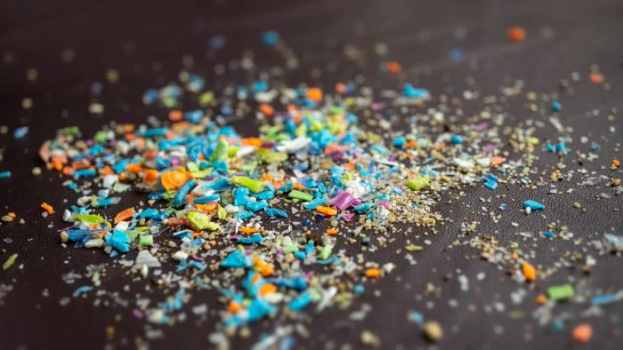
Despite microplastics being everywhere — in clothing, cleaning products, food, water, and air — new scientific assessments are challenging previous claims that these tiny particles accumulate inside the human body.
Several experts told The Guardian that some widely circulated studies on microplastics are “biologically implausible” and even “a joke.” Chemist Roger Culeman commented: “Many researchers make extraordinary claims but don’t provide even basic evidence.”
The History of Microplastic Research
The first major study suggesting humans ingest microplastics dates back to 2018, when Austrian scientists analyzed stool samples from eight countries and reportedly found microplastics in every sample. Later studies claimed to detect particles in various organs and tissues — from the placenta and kidneys to the lungs and liver.
However, journalists found that at least seven widely cited studies have since been criticized. Some reviews showed that human tissue itself can produce signals mimicking plastic, resulting in false positives.
A study claiming to find microplastics in the human brain drew particular skepticism. German expert Dusan Materich called it “a joke”, explaining: “Fat is known to give false signals for polyethylene. The brain is 60% fat.”
Skepticism About Biological Plausibility
Other researchers question the reported amounts of microplastics in the body. Environmental chemist Cassandra Raurt noted: “Given typical daily exposure, it’s biologically improbable for such quantities of plastic to end up in organs.”
Fazel Monik, a nanomaterials specialist at the University of Padua, added that even if a particle reaches a protected organ, it wouldn’t appear as depicted in most published studies.
Practical Takeaways
While the criticism points to methodological flaws and potential exaggeration, scientists stress that the risks shouldn’t be completely ignored. Microplastics can carry toxic chemicals that may trigger inflammation, cell damage, hormone disruption, gut microbiome imbalance, reduced fertility, and increased chronic disease risk.
Experts recommend simple precautions, like avoiding drinking from plastic bottles and heating food in plastic containers, the main dietary sources of microplastics.
Raurt emphasized: “We need accurate data to inform public health authorities, governments, and the public, and to develop proper regulations and policies.”
Materich concluded: “Microplastics in our bodies? Probably. But it’s wise to take precautions to minimize the risks — that’s what I do myself.”
Follow NEWS.am STYLE on Facebook, Twitter and Instagram

- Diet Soda or Water: Study Reveals Which Drink Is More Effective for Weight Loss Sugar-free soft drinks may be just as effective as plain water for weight loss, according to researchers at the University of Liverpool in the UK. Their conclusion is based on a two-year randomized trial involving nearly 500 people who were overweight or living with obesity...
- Your Smartphone Could Be Stealing Years of Your Life: Scientists Warn of the Consequences of Endless Scrolling Spending hours scrolling through social media may have far more serious consequences for health than previously thought. According to a major scientific review, excessive screen use is linked to millions of years of life lived with mental health disorders...
- Popular Weight-Loss Drugs Could Deprive the Brain of Energy, Expert Warns As GLP-1 weight-loss drugs, including Ozempic and Wegovy, continue to surge in popularity, experts are warning that losing weight too quickly and severely restricting calorie intake could deprive the brain of essential energy and nutrients...
- Just Two Spoonfuls a Day: Scientists Find an Unexpected Link Between Tomatoes and Memory A diet rich in fruits and vegetables has long been associated with better memory. Now, Spanish scientists have identified another potential link: ordinary tomatoes may influence brain function — and the key could be lycopene, a powerful antioxidant...
- Your Breasts Are Paying the Price for Your Favorite Bra: 5 Signs You’re Wearing the Wrong Size Taking off your bra after a long day is one of life’s little pleasures. But if you spend the entire day in pain or discomfort and literally count the hours until you can finally unhook it, the problem may be that you’re wearing the wrong size...




-
14:33, October 13
A $30,000 Porsche-Inspired Sofa: Chinese Brand Turns a Sports Car Into a Luxury Armchair With a Fridge and Sound System -
14:15, October 13
School Uniforms Have Become a Sexual Fantasy: British Teenagers Demand Ban on School Uniforms in Pornography -
13:23, October 13
‘40 Million Views and Monster Brows’: Woman Falls Asleep With Eyebrow Dye on Her Face and Takes TikTok by Storm -
12:31, October 13
Kim Kardashian Flaunts Sultry Looks in Tiny Lingerie, a Leather Bustier and Racy Snaps -
12:16, October 13
“Even My Pilates Class Would Be Too Much for Him”: The View Hosts Mock Pete Hegseth After Military Training Video -
11:42, October 13
Sean “Diddy” Combs Rushed to Hospital After Suffering Head Injury in Prison Fall -
11:18, October 13
Bella Hadid Celebrates Her 30th Birthday in a Red Bikini and Cowboy Boots -
10:30, October 13
Ray-Ban Heir Leonardo Del Vecchio Claims He Has Slept With More Than 2,000 Women -
23:01, October 12
Five Mistakes That Can Quietly Destroy a Marriage -
22:29, October 12
Five Mistakes That Can Quietly Destroy a Marriage -
21:22, October 12
Hailey Bieber’s Rhode Launches Strawberry-Shaped Pimple Patches and a New Skincare Accessory -
19:30, October 12
Dubai in Three Days: From Glowing Sunrises to Cinematic Sunsets over the Marina
All materials

@NEWSam_STYLE
@NEWSam_STYLE
- Archive