


NEWS.am STYLE

NEWS.am STYLE

NEWS.am STYLE

NEWS.am STYLE
NEWS.am STYLE

NEWS.am STYLE

NEWS.am STYLE
NEWS.am STYLE

The 23rd "Golden Apricot" Yerevan International Film Festival has kicked off

NEWS.am STYLE

NEWS.am STYLE

NEWS.am STYLE

NEWS.am STYLE

Nikos Vertis to perform in Armenia for the 3rd time at the invitation of “ACVA BUILDINGS”

NEWS.am STYLE

NEWS.am STYLE

NEWS.am STYLE
NEWS.am STYLE


Chinese luxury goes global: Gucci and Louis Vuitton should take notice
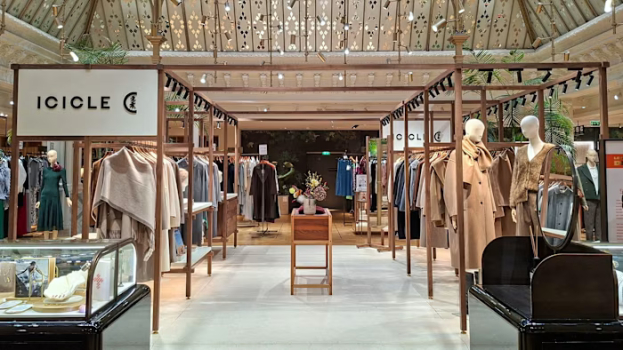
A decade after Italy’s Prada listed in Hong Kong, Chinese high-fashion brand Icicle is now considering a public offering in Paris. This move reflects China’s transformation from a hub of cheap knockoffs into a center of innovation — from BYD electric vehicles and AI startups like DeepSeek to the globally popular Labubu toys, according to the Financial Times.
Homegrown luxury is fueled by government initiatives promoting guochao — the “national trend” — and growing cultural confidence. China chic now spans all markers of status consumption: fashion, jewelry, luxury cars, and fine wines. Hongqi vehicles, once reserved for communist leaders, now ferry the country’s billionaires.
This evolution poses a challenge for European luxury houses. First, Chinese products are competitively priced. In a sluggish economy with tough prospects for young professionals, spending around $500 on a Songmont handbag is a smarter choice than paying ten times that for a European label.
Business models are leaner, too — there’s no need for flagship stores on Milan or Paris’s priciest streets, and mall space is cheaper. Chinese brands are also willing to sacrifice margin: Bernstein estimates retail markups of four to five times the cost of goods sold, roughly half the multiple of European rivals.
Second, Chinese companies emphasize local heritage, incorporating traditional motifs into jewelry and historical design into furniture. This resonates with growing cultural and historical interest — for example, museum attendance over the May holidays rose 17% last year.
Third, domestic success gives Chinese brands a competitive edge abroad. While their international presence is still modest, some have begun to expand: Bosideng operates a London flagship and sells in France, while BYD demonstrates the potential of a Chinese challenger reaching global scale.
Foreign luxury groups have also invested early in Chinese brands. Exor, the Agnelli family holding, acquired Hermes’ stake in Shang Xia in 2020. LVMH owns winery Ao Yun, and Kering, Gucci’s parent, bought jewelry brand Qeelin in 2012.
Chinese companies remain relatively small, but growth is rapid. Laopu Gold, a fast-rising jewelry house, now has a market capitalization of nearly $18 billion — up from under $1 billion in 2024. Including potential acquisition premiums, this easily surpasses the inflation-adjusted price LVMH paid for Tiffany six years ago. European competitors can no longer afford to ignore the rising influence of Chinese luxury.
Follow NEWS.am STYLE on Facebook, Twitter and Instagram

- Jennifer Lopez’s 57th Birthday Celebrations in Paris Included Outfit Changes and Over 400 Carats of Diamonds The Eiffel Tower had some fierce competition in terms of sparkle with Jennifer Lopez in town, People writes․․․
- Next-Level Luxury: How a Dubai Jewelry Brand Found a Way to Make the Hermès Birkin Even More Expensive Enter Bag Bijoux, a high-jewelry brand launched in 2024 by sisters Ashna and Aria Mehta. The duo created a collection of precious charms designed specifically to slide onto the leather straps of iconic Hermès bags. Prices for these "toys" start at $2,800 and scale up into the seven-figure range for bespoke, custom orders.,,
- Armenian New York Jeweler Alex Moss Covers Controversial $400 AP × Swatch Watch in Diamond “Ice” Armenian jeweler based in New York Alex Moss has reignited buzz around the controversial Swatch × Audemars Piguet collaboration by transforming the viral $400 “Royal Pop” timepiece into a high-jewelry statement piece...
- Chinese luxury goes global: Gucci and Louis Vuitton should take notice Homegrown luxury is fueled by government initiatives promoting guochao — the “national trend” — and growing cultural confidence. China chic now spans all markers of status consumption: fashion, jewelry, luxury cars, and fine wines. Hongqi vehicles, once reserved for communist leaders, now ferry the country’s billionaires...
- The Mall luxury outlets: Where shopping becomes a luxurious Italian adventure If you think a shopping trip in Italy is just a casual stroll through stores, you haven’t experienced The Mall Luxury Outlets. Located in Florence and Sanremo, these destinations have been offering an immersive journey into Italian luxury since 2001, blending artisan craftsmanship, contemporary design, and exclusive deals...




-
23:01, October 8
“I Gave Up All Other Women for You”: Ex-Husband’s List of ‘Sacrifices’ Sends Social Media Into a Frenzy -
22:38, October 8
Salma Hayek and Her Life in a Billionaire Family: Lavish Homes, $15 Billion and Love with François-Henri Pinault -
21:33, October 8
“AI Will Destroy Humanity”: Inside the Secretive World of Americans Preparing for the End of the World -
20:27, October 8
Spain’s Richest Woman Lives Modestly Despite Her Zara Billions: The Secretive Life of Sandra Ortega -
19:40, October 8
Zuhair Murad Softens His Signature Glamour With Mediterranean Mood, Fringe and a Marilyn Monroe-Inspired Dress
-
19:18, October 8
Casio Unveils Its Most Expensive G-Shock Ever: $80,000 Sapphire Watch -
16:26, October 8
Mark Zuckerberg’s Sister Reveals Her Secret Passion: She’s Been DJing for Eight Years -
15:40, October 8
Michael Douglas Opens Up About His Wild Love Life: Co-Stars, Affairs and His Own ‘Mrs. Robinson’ -
15:16, October 8
Beauty Queen Killed by Lightning Strike at 22 -
14:34, October 8
Ben Affleck Defends Jennifer Lopez and Reveals the Funny Nickname His Daughter Gave Him -
14:19, October 8
Melania Trump vs. Tom Cruise: First Lady’s Adviser Mocks Star’s Box-Office Flop by Comparing It to Melania’s Success -
13:22, October 8
How Sylvester Stallone and Richard Gere nearly fought over Princess Diana
All materials

@NEWSam_STYLE
@NEWSam_STYLE
- Archive