



NEWS.am STYLE

NEWS.am STYLE

NEWS.am STYLE

NEWS.am STYLE
NEWS.am STYLE

NEWS.am STYLE

NEWS.am STYLE

NEWS.am STYLE

The 23rd "Golden Apricot" Yerevan International Film Festival has kicked off

NEWS.am STYLE

NEWS.am STYLE

NEWS.am STYLE

NEWS.am STYLE

Nikos Vertis to perform in Armenia for the 3rd time at the invitation of “ACVA BUILDINGS”

NEWS.am STYLE

NEWS.am STYLE

NEWS.am STYLE
NEWS.am STYLE


What Are Peptides and How to Use Them Correctly
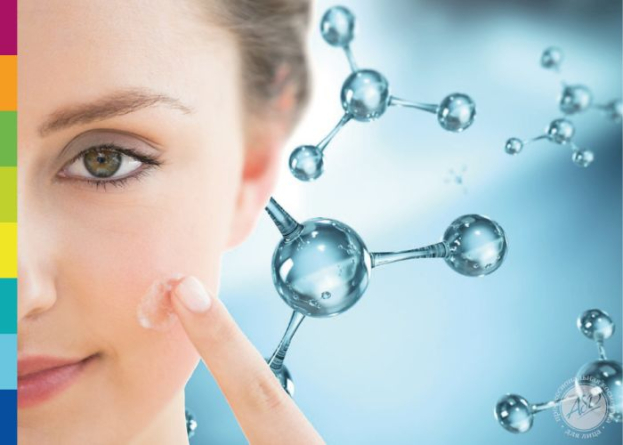
Today, the internet is flooded with a vast wave of self-proclaimed skincare experts. On TikTok and Reddit, everyone is promoting their own multi-step beauty rituals packed with the "best peptides, exfoliants, toners, and oils." Amid this chaos, it is becoming increasingly difficult to discern which routines and ingredients are actually worth trusting.
According to Dr. Daniel Gould, a board-certified plastic surgeon, peptides are "short chains of amino acids that mimic fragments of our body's signaling proteins." Peptides instruct fibroblasts (connective tissue cells) to produce collagen. They make excellent daily workhorses: they are versatile and currently stand as the most accessible category of active ingredients, WWD reports.
Four Pillars Under the Peptide Umbrella
Nevertheless, the general term "peptides" actually blankets four distinct families:
-
Copper Peptides (e.g., GHK-Cu): "From a regenerative standpoint, these interest me the most," notes Dr. Gould. "They are naturally present in blood plasma, activate during wound healing, and influence fibroblasts and skin matrix remodeling." They are indispensable for post-procedure skin recovery and serve as a great alternative for those whose skin cannot tolerate retinoids. "However, they are incredibly unstable in formulations; most products on the shelves contain a dosage that is far too low," the expert warns.
-
Signal Peptides (including Matrixyl and Palmitoyl Tripeptides): These all "mimic collagen fragments" and signal the skin to renew itself, while simultaneously strengthening its protective barrier. Dr. Gould classifies them as "foundational elements for daily anti-aging care." The results from their application manifest gradually.
-
Neurotransmitter Peptides: These are the ones marketers frequently dub "Botox in a bottle." However, Dr. Gould rates their efficacy as "modest" and views this category as the most overrated on the market. "The scientific foundation here is real, but achieving deep penetration of a topical agent to a neuromuscular target is extraordinarily difficult," he explains.
-
Enzyme-Inhibitor Peptides: This final category blocks the specific enzymes that break down the skin's own collagen and elastin.
The Golden Rule of Layering: No More Than Three Actives
To effectively integrate these signaling molecules into your daily routine, Dr. Gould advises focusing on core categories and avoiding blind product layering, which often does more harm than good.
"Chaotically combining trendy ingredients is the most common mistake I see. It drains your wallet and rarely yields a synergistic effect," he emphasizes.
The surgeon reminds us that a single routine should never exceed more than three active components (which include Vitamin C, AHA/BHA acids, and retinoids).
The Ideal Morning Ritual:
-
Cleansing
-
Vitamin C
-
Peptide product
-
Hydrating serum or moisturizer
-
SPF
"When it comes to summer skincare, no ingredient matches the importance of sunscreen," reminds Dr. Victoria Kozlovskaya, a board-certified dermatologist specializing in aesthetic and medical dermatology. "Daily SPF use remains the single best method for preventing skin cancer, photoaging, hyperpigmentation, and premature wrinkles."
The Ideal Evening Ritual:
-
Cleansing
-
Exfoliation (alternate between acids and retinoids every other night)
-
Peptides
-
A rich, nourishing night cream
Follow NEWS.am STYLE on Facebook, Twitter and Instagram

- The Ordinary Launches Lacto-PDRN Eye Cream for a Brighter, More Radiant Look After Just One Application The Ordinary is expanding its eye-care range with the launch of the new Lacto-PDRN 4% + B9 Eye Cream, a hydrating formula designed to make the eye area look fresher and more radiant after just one application. With regular use, the brand says, the results become even more noticeable...
- Beauty with a Surprise: Scientists Find Microscopic Mites Under Eyelash Extensions Women who regularly get eyelash extensions may be highly likely to have microscopic mites living on their lashes, according to a new study cited by the Telegraph...
- Dior’s Glow of Luxury: Jenna Ortega, Anya Taylor-Joy and Jisoo Front New Skin Tint Dior Beauty is expanding its complexion makeup lineup with the launch of Dior Backstage Glow-Up Skin Tint, its first three-in-one hybrid complexion product. To mark the highly anticipated debut, the luxury house has assembled a star-studded ambassador lineup, with Jenna Ortega, Anya Taylor-Joy and Jisoo starring in the campaign and showcasing the skincare-infused formula...
- Neutrogena apologizes for dropping Hayden Panettiere as she battled postpartum depression in 2015 Neutrogena is finally apologizing to Hayden Panettiere — days after her tragic death — for axing her contract in 2015 while she was in the throes of postpartum depression, Pag Six writes...
- K-Beauty Takes Beauty to the Next Level: South Korea Is Setting the New Rules Korean beauty has long since moved beyond being a viral social media trend. Today, it is helping shape the entire industry — from biotechnology and regenerative medicine to personalized skincare and aesthetic treatments, according to Forbes...




-
22:38, October 8
Salma Hayek and Her Life in a Billionaire Family: Lavish Homes, $15 Billion and Love with François-Henri Pinault -
21:33, October 8
“AI Will Destroy Humanity”: Inside the Secretive World of Americans Preparing for the End of the World -
20:27, October 8
Spain’s Richest Woman Lives Modestly Despite Her Zara Billions: The Secretive Life of Sandra Ortega -
19:40, October 8
Zuhair Murad Softens His Signature Glamour With Mediterranean Mood, Fringe and a Marilyn Monroe-Inspired Dress
-
19:18, October 8
Casio Unveils Its Most Expensive G-Shock Ever: $80,000 Sapphire Watch -
16:26, October 8
Mark Zuckerberg’s Sister Reveals Her Secret Passion: She’s Been DJing for Eight Years -
15:40, October 8
Michael Douglas Opens Up About His Wild Love Life: Co-Stars, Affairs and His Own ‘Mrs. Robinson’ -
15:16, October 8
Beauty Queen Killed by Lightning Strike at 22 -
14:34, October 8
Ben Affleck Defends Jennifer Lopez and Reveals the Funny Nickname His Daughter Gave Him -
14:19, October 8
Melania Trump vs. Tom Cruise: First Lady’s Adviser Mocks Star’s Box-Office Flop by Comparing It to Melania’s Success -
13:22, October 8
How Sylvester Stallone and Richard Gere nearly fought over Princess Diana -
12:32, October 8
FBI Director Kash Patel’s fiancée at the center of controversy — from spy allegations to her Armenian roots
All materials

@NEWSam_STYLE
@NEWSam_STYLE
- Archive