



NEWS.am STYLE

NEWS.am STYLE

NEWS.am STYLE

NEWS.am STYLE
NEWS.am STYLE

NEWS.am STYLE

NEWS.am STYLE

NEWS.am STYLE

The 23rd "Golden Apricot" Yerevan International Film Festival has kicked off

NEWS.am STYLE

NEWS.am STYLE

NEWS.am STYLE

NEWS.am STYLE

Nikos Vertis to perform in Armenia for the 3rd time at the invitation of “ACVA BUILDINGS”

NEWS.am STYLE

NEWS.am STYLE

NEWS.am STYLE
NEWS.am STYLE



How female astronauts manage hair, makeup, and skincare in space
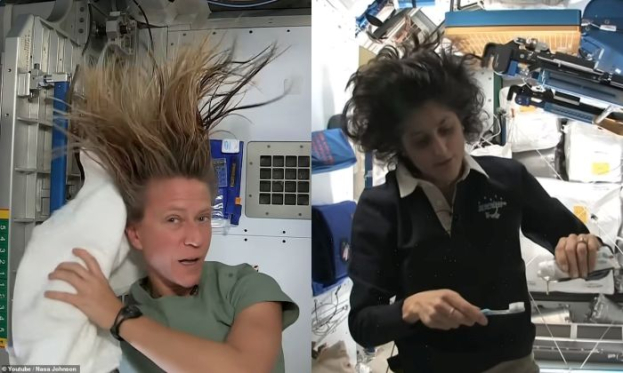
As the Artemis II mission with Reid Wiseman, Victor Glover, Christina Koch, and Jeremy Hansen heads toward the Moon, the crew is navigating not only scientific challenges but also the everyday realities of life in orbit.
Life in microgravity requires a complete rethink of routine personal care. Water behaves differently—rather than flowing down, it forms floating, sticky droplets, and long hair tends to lift and drift in all directions. Powder-based products and perfumes are replaced with creams to prevent particles from damaging lungs or equipment, and hygiene routines are simplified due to limited water supply.
Hair, Skin, and Makeup in Microgravity
Astronaut Kelly Gerrardi told Glamour that “NASA provides every astronaut with a personalized hygiene kit—they can even choose their favorite toothpaste. Astronauts rarely wear full makeup like on Earth, but they bring items that help them feel put together.”
Washing hair in space takes about 20–25 minutes, using specialized foil or plastic bags with no-rinse shampoo. Shaving is done with unscented cream or gels suited for long missions. Long hair is often left loose to improve ventilation and prevent follicle clogs or bacterial growth.
Veteran astronaut Sunita Williams, who spent 288 days in space, is known for her long hair—and upon returning to Earth, her hair turned completely gray, a result of stress and hormonal changes accelerating the depletion of pigment-producing stem cells.
Skincare also requires special attention. European astronaut Samantha Cristoforetti demonstrated using a special soap packet where water literally floats on the skin due to surface tension, with excess wiped away on a towel drying near a vent.
As for makeup, astronaut Serena Auñón-Chancellor notes, “I bring eyeliner, eyeshadow, and a brow pencil, but it’s more hassle than benefit. Other female astronauts do wear makeup daily.”
Dental hygiene involves either swallowing toothpaste or spitting into a towel, and nails are clipped carefully with clippings collected by a vacuum to prevent them from floating around the station.
A Brief History of Women’s Hygiene in Space
Since Valentina Tereshkova became the first woman in space in 1963, approaches to female astronaut care have evolved dramatically. In 1978, NASA introduced dedicated hygiene and makeup kits for the first women astronauts, including mascara, lip gloss, and blush.
Sally Ride, the first American woman in space, recalled dealing with tampons, lotions, and creams more suitable for women, replacing the standard male-oriented supplies.
Despite all the challenges of microgravity, female astronauts continue to find ways to stay groomed and comfortable, proving that even in orbit, self-care is possible.
Follow NEWS.am STYLE on Facebook, Twitter and Instagram

- From Fawn Spots to Coffee French Tips: The Biggest Nail Trends for Fall/Winter 2026 Natural shades, unusual patterns and understated accents are set to define the manicure trends for fall and winter 2026. Vogue Arabia has highlighted several ideas to refresh your go-to look...
- Hailey Bieber’s Rhode Launches Strawberry-Shaped Pimple Patches and a New Skincare Accessory Hailey Bieber’s Rhode has unveiled several new additions to its Spotwear line, including the Spot Case, the brand’s first-ever accessory designed to store its skincare patches, and adorable new patches shaped like strawberries...
- The Ordinary Launches Lacto-PDRN Eye Cream for a Brighter, More Radiant Look After Just One Application The Ordinary is expanding its eye-care range with the launch of the new Lacto-PDRN 4% + B9 Eye Cream, a hydrating formula designed to make the eye area look fresher and more radiant after just one application. With regular use, the brand says, the results become even more noticeable...
- Beauty with a Surprise: Scientists Find Microscopic Mites Under Eyelash Extensions Women who regularly get eyelash extensions may be highly likely to have microscopic mites living on their lashes, according to a new study cited by the Telegraph...
- Dior’s Glow of Luxury: Jenna Ortega, Anya Taylor-Joy and Jisoo Front New Skin Tint Dior Beauty is expanding its complexion makeup lineup with the launch of Dior Backstage Glow-Up Skin Tint, its first three-in-one hybrid complexion product. To mark the highly anticipated debut, the luxury house has assembled a star-studded ambassador lineup, with Jenna Ortega, Anya Taylor-Joy and Jisoo starring in the campaign and showcasing the skincare-infused formula...




-
22:17, October 15
Diamonds, Colored Gemstones and Gold: Patek Philippe Reimagines Women’s Watchmaking Classics -
21:24, October 15
Gucci and Louis Vuitton Have Gone Too Far: Shoppers Are Flocking to Zara and Uniqlo -
20:30, October 15
At the Crossroads of Ambition and Commerce: A Look at Yerevan Fashion Week 2026 Against the Backdrop of Global Fashion -
19:19, October 15
Football Coach Goes Viral for Trying Not to Look at Sports Reporter’s Cleavage -
16:23, October 15
‘They Are Demons Disguised as Angels’: Former NASA Astronaut Claims UFOs Are Trying to Lead Humanity Away From the Truth -
15:16, October 15
‘He’s the Best Boss’: Former White House Press Secretary Reveals Trump’s Unexpected Side -
14:42, October 15
Jennifer Aniston Accused of a Humiliating Prank: Director Claims Actress Gifted Her a Rhinestone-Covered Dildo -
14:21, October 15
Women’s ‘Nighttime Erections’: Bryan Johnson’s Girlfriend Uses $15,700 ‘Techno-Tampon’ -
13:19, October 15
‘Disastrous Nonsense’: Fans Slam Trailer for Greta Gerwig’s New ‘Narnia’ Film
-
12:36, October 15
Celine Dion Becomes a Barbie Doll: Her Iconic 1998 Oscars Look Recreated With a ‘Titanic’-Inspired Necklace -
12:13, October 15
Victoria Beckham Takes a Tequila Shot on Live TV and Jokes About David’s ‘Big Cucumber’ -
11:38, October 15
The Anti-Trump Beauty Trend: Why Women Are Turning Away From the ‘Mar-a-Lago Face’
All materials

@NEWSam_STYLE
@NEWSam_STYLE
- Archive