


NEWS.am STYLE

NEWS.am STYLE

NEWS.am STYLE

NEWS.am STYLE

NEWS.am STYLE
NEWS.am STYLE

NEWS.am STYLE
NEWS.am STYLE
NEWS.am STYLE

The 23rd "Golden Apricot" Yerevan International Film Festival has kicked off

NEWS.am STYLE

NEWS.am STYLE

NEWS.am STYLE

NEWS.am STYLE

Nikos Vertis to perform in Armenia for the 3rd time at the invitation of “ACVA BUILDINGS”

NEWS.am STYLE

NEWS.am STYLE

NEWS.am STYLE


K-Beauty Takes Beauty to the Next Level: South Korea Is Setting the New Rules
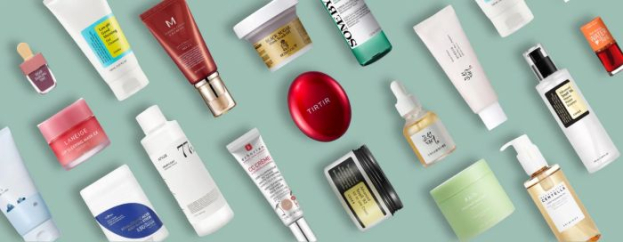
Korean beauty has long since moved beyond being a viral social media trend. Today, it is helping shape the entire industry — from biotechnology and regenerative medicine to personalized skincare and aesthetic treatments, according to Forbes.
Until recently, luxury skincare was associated primarily with European heritage, iconic French houses and decades-old beauty traditions. Today, the very definition of premium beauty is rapidly changing.
Consumers are increasingly looking beyond a product’s provenance and focusing instead on technology, formula performance, innovative ingredients and real results. And this is where South Korea is making an increasingly powerful impact.
K-Beauty has long since evolved beyond popular sheet masks, essences and elaborate multi-step skincare routines. The Korean approach is increasingly influencing what next-generation luxury skincare will look like.
From Viral Trend to Global Industry
Social media has played a huge role in popularizing K-Beauty around the world. Korean beauty hacks, unusual textures and multi-step skincare rituals spread rapidly across TikTok and Instagram, turning local brands into international sensations.
However, the success of Korean beauty can no longer be explained by the power of social media alone.
According to Grand View Research, the global K-Beauty market was valued at $118.3 billion in 2025 and is projected to reach $252.4 billion by 2033, with a compound annual growth rate of 10%.
North America already accounted for the largest share of the market in 2025. This highlights just how quickly K-Beauty has evolved from a niche phenomenon into a fully established segment of the global beauty industry.
South Korea Is Accelerating the Beauty Revolution
According to Sophie Smith, managing director of Grand Aesthetics, one of K-Beauty’s greatest achievements has been significantly accelerating the pace of innovation across the industry.
In South Korea, cosmetic companies, biotechnology firms, dermatologists and aesthetic clinics work closely together. As a result, new ingredients, formulations and technologies are developed and brought to market much faster.
“South Korea has always been at the forefront of advanced formulations, delivery systems and new ingredients, and that has influenced consumer expectations globally,” Smith says.
Today’s luxury beauty consumer wants more than beautiful packaging and a pleasant texture. They expect cutting-edge science, an exceptional user experience and proven efficacy — all at once.
That combination is becoming the new formula for luxury.
At the same time, Korean consumers themselves, according to Donghyun Kim, head of the business division at Dr. Melaxin, are driven less by novelty than by results.
“Products succeed because they solve genuine skin concerns rather than simply looking appealing on the shelf,” he says.
According to Kim, Korean consumers are far less interested in fleeting trends and much more focused on proven efficacy.
If a product delivers visible results consistently, it earns long-term consumer trust. That is why innovations that first prove themselves in the Korean market often go on to gain popularity around the world.
Another growing trend is maximum results with minimum complexity. Consumers want to see an impact, but they do not necessarily want to turn skincare into an endless ritual involving dozens of products.
K-Beauty’s Secret Weapon: Turning Science Into a Coveted Product
Joshua Britton, PhD, founder and CEO of Debut, believes one of the Korean beauty industry’s key advantages is its ability to rapidly commercialize scientific breakthroughs.
In his view, this is one of the most important lessons K-Beauty offers the global market: it is not enough to discover a new biological mechanism or identify a promising ingredient. The challenge is turning that scientific breakthrough into a product people genuinely want to use.
This is particularly evident in formulations and textures.
Britton points to Korean sunscreens as an example. Their textures are so lightweight that applying sunscreen every day no longer feels like an unpleasant beauty ritual.
From Cosmetics to Regenerative Aesthetics
South Korea’s influence now extends far beyond skincare bottles.
One of the defining trends in modern aesthetic medicine is the shift from simply correcting visible signs of aging toward stimulating the skin’s own regenerative processes.
Rather than dramatically changing someone’s appearance, new treatments focus on improving tissue quality and supporting long-term skin health.
Treatments Going Global
One example of this new generation of technologies is XERF, a monopolar radiofrequency treatment developed in South Korea.
First introduced there in June 2024, the technology has quickly gained popularity internationally. Interest received an additional boost after Kim Kardashian posted about the treatment on Instagram, attracting millions of views.
According to the article, around 6,000 XERF treatments are now performed in the U.S. every day, while some patients are traveling specifically to South Korea to undergo the procedure there.
The technology uses controlled radiofrequency energy that targets not only the skin but also deeper soft tissues, including the superficial musculoaponeurotic system, or SMAS.
For modern aesthetic medicine, this represents a significant shift: less invasiveness, greater emphasis on skin quality and a more natural-looking result.
The Very Definition of Luxury Beauty Is Changing
If premium skincare was once largely associated with the promise of an instant transformation, the focus today is increasingly on prevention, maintaining skin quality and achieving long-term results.
Consumers are willing to invest in products, treatments and supplements that help maintain healthy-looking skin for years rather than simply masking the effects of aging. This is precisely where K-Beauty feels particularly relevant: its philosophy is less about “erasing” age and more about investing in skin health.
AI + Biotechnology: The Next Big Beauty Leap
Joshua Britton is looking even further ahead. He predicts that over the next decade, artificial intelligence and biotechnology will make it possible to create products that account for biological differences between populations, including the characteristics of Western and Asian skin.
In other words, the industry is gradually moving away from the “one product fits all” model toward beauty products designed around individual biology.
And this is where K-Beauty could become more than just one segment of the global beauty industry — it could become a laboratory for its future.
South Korea is no longer following global beauty trends — it is creating them. And if European heritage and exclusive ingredients were once the defining symbols of luxury beauty, the new definition of luxury looks very different: scientifically backed products, personalized care, regenerative technologies and results that speak for themselves.
Ultimately, the biggest luxury beauty trend of the future may be the most understated one of all: not looking younger, but looking like the healthiest possible version of yourself.
Follow NEWS.am STYLE on Facebook, Twitter and Instagram

- From Fawn Spots to Coffee French Tips: The Biggest Nail Trends for Fall/Winter 2026 Natural shades, unusual patterns and understated accents are set to define the manicure trends for fall and winter 2026. Vogue Arabia has highlighted several ideas to refresh your go-to look...
- Hailey Bieber’s Rhode Launches Strawberry-Shaped Pimple Patches and a New Skincare Accessory Hailey Bieber’s Rhode has unveiled several new additions to its Spotwear line, including the Spot Case, the brand’s first-ever accessory designed to store its skincare patches, and adorable new patches shaped like strawberries...
- The Ordinary Launches Lacto-PDRN Eye Cream for a Brighter, More Radiant Look After Just One Application The Ordinary is expanding its eye-care range with the launch of the new Lacto-PDRN 4% + B9 Eye Cream, a hydrating formula designed to make the eye area look fresher and more radiant after just one application. With regular use, the brand says, the results become even more noticeable...
- Beauty with a Surprise: Scientists Find Microscopic Mites Under Eyelash Extensions Women who regularly get eyelash extensions may be highly likely to have microscopic mites living on their lashes, according to a new study cited by the Telegraph...
- Dior’s Glow of Luxury: Jenna Ortega, Anya Taylor-Joy and Jisoo Front New Skin Tint Dior Beauty is expanding its complexion makeup lineup with the launch of Dior Backstage Glow-Up Skin Tint, its first three-in-one hybrid complexion product. To mark the highly anticipated debut, the luxury house has assembled a star-studded ambassador lineup, with Jenna Ortega, Anya Taylor-Joy and Jisoo starring in the campaign and showcasing the skincare-infused formula...




-
19:17, October 19
An Armenian Balm With an 800-Year History: How Matenadaran Brought an Ancient Recipe Back to Life -
16:23, October 19
Affair With a 19-Year-Old White House Intern and Infidelity Before His Wedding: New Book Reveals John F. Kennedy’s Secret Love Life -
15:15, October 19
Netflix Used Meghan Markle to Promote ‘The Gentlemen,’ Sources Claim -
14:38, October 19
She Can Afford a $13,000 Birkin but Refuses to Buy One: Social Media Star Explains Why She Won’t Splurge on Hermès’ Iconic Bag -
14:19, October 19
Secret Marriage, Abuse Allegations, a $100 Million Sex Tape and a $10 Million Wedding: Shocking Kim Kardashian Revelations in New Book -
13:18, October 19
Kim Kardashian Recreates Elizabeth Taylor’s Iconic Style in Vintage Balenciaga Gown and Dazzling Diamonds -
12:45, October 19
Bella Hadid Steals the Show at the 2026 Victoria’s Secret Fashion Show in Two Stunning Looks and Giant Wings -
12:20, October 19
Luxury Under Guard: Dior Deploys Private Security Amid Paris Looting -
11:58, October 19
‘Best Sex of Her Life’: Dakota Johnson’s Friends Reveal Steamy Details of Her Romance With Machine Gun Kelly -
11:30, October 19
Chanel, Gucci and Burberry Under Fire: What Luxury Brands Have Been Hiding From Consumers -
10:55, October 19
Bianca Censori Goes Braless in Revealing Red Outfit for Night Out With Kanye West -
10:24, October 19
Kylie Jenner’s $50 Million Fantasy Bra: Victoria’s Secret Debut Sparks Backlash
All materials

@NEWSam_STYLE
@NEWSam_STYLE
- Archive