


NEWS.am STYLE

NEWS.am STYLE

NEWS.am STYLE

NEWS.am STYLE

NEWS.am STYLE
NEWS.am STYLE

NEWS.am STYLE

NEWS.am STYLE
NEWS.am STYLE

The 23rd "Golden Apricot" Yerevan International Film Festival has kicked off

NEWS.am STYLE

NEWS.am STYLE

NEWS.am STYLE

NEWS.am STYLE

Nikos Vertis to perform in Armenia for the 3rd time at the invitation of “ACVA BUILDINGS”
NEWS.am STYLE

NEWS.am STYLE

NEWS.am STYLE
Michelin Guide Scandal: Prestigious Restaurant Guide Accused of Using AI to Write Reviews
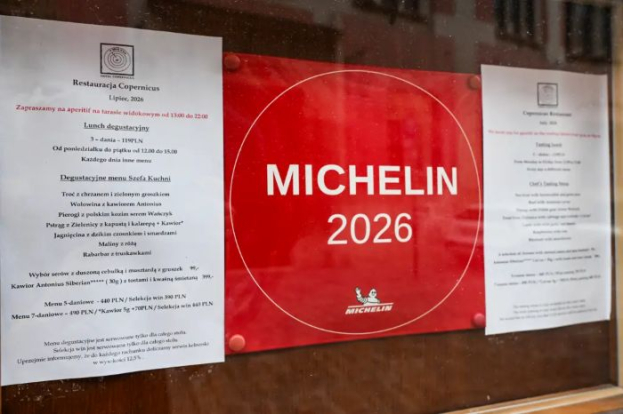
The prestigious Michelin Guide has found itself at the center of a controversy following an investigation by American magazine D Magazine. The publication alleges that artificial intelligence may have written most, if not all, of the new reviews of Dallas restaurants featured in the guide’s 2026 edition. Michelin has denied the allegations.
According to the New York Post, suspicions arose after a local chef noticed something unusual about the writing style. Researchers analyzed the reviews using specialized AI-detection software and consulted experts from Carnegie Mellon University.
The Pangram detection system gave the texts a 100% probability of having been generated by AI. University instructors Alex Reinhart and David Brown suggested that GPT-4o may have been used to produce the reviews, identifying the model as a likely author.
The researchers were struck by overly elaborate descriptions, such as the “serene” atmosphere at Mābo and the “carefully curated” ingredients at Sushi Kozy, as well as numerous grammatical oddities. When they compared the texts with earlier Michelin reviews of restaurants in Dallas and other major cities, they found no similar signs of AI use in the other guides they examined.
According to the researchers’ theory, a Michelin inspector may have fed a chatbot brief notes about the restaurants and then edited the resulting text to incorporate personal impressions.
“In some passages, the AI influence is much stronger than in others,” Brown noted. He suggested that the writer may have altered individual sentences after the text was generated.
One sentence from the review of Resident Taqueria particularly puzzled the researchers: “Thoughtful combinations, vibrant flavors, and generous portions reflect the kitchen’s creativity.” They considered it an example of unnatural, content-light writing.
Michelin rejected the allegations. In a statement to D Magazine, representatives of the guide said that all inspector notes published on its website and app are produced collaboratively by a team of experts based on their firsthand dining experiences.
“Artificial intelligence is not used in the writing of these reviews,” the company emphasized.
The controversy raises questions about trust in one of the world’s best-known restaurant rating systems. Michelin inspectors typically assess establishments anonymously, focusing on the quality of the food and consistency of the cooking. Receiving a Michelin star is considered a major achievement for chefs.
“Food writing should be human. There is something deeply human about it. That is why the decision to outsource it to AI seems strange,” the investigation states.
The authors question why a guide that has spent decades building a reputation as a trusted source of restaurant recommendations would need to turn to artificial intelligence to describe the establishments it evaluates.
Follow NEWS.am STYLE on Facebook, Twitter and Instagram

- «When You Step Into an Aircraft, It Doesn’t Ask Whether You’re a Man or a Woman»: Pilot and Composer Narine Melkumyan Today, alongside her independent work as a flight instructor, Narine also represents Italian aircraft manufacturer Tecnam in the Netherlands through the British company Oriens Aviation. Her responsibilities include developing sales, expanding the brand’s presence in the Dutch market, and conducting demonstration flights in new Tecnam aircraft models...
- Michelin Guide Scandal: Prestigious Restaurant Guide Accused of Using AI to Write Reviews The prestigious Michelin Guide has found itself at the center of a controversy following an investigation by American magazine D Magazine. The publication alleges that artificial intelligence may have written most, if not all, of the new reviews of Dallas restaurants featured in the guide’s 2026 edition. Michelin has denied the allegations...
- Rolex Instead of Gold: Why Billionaires Are Investing in Watches, Rubies, and Klimt Paintings The world’s wealthiest families are increasingly putting their money into luxury collectibles, from Rolex watches and gemstone jewelry to works of art. For them, these assets offer not only a way to protect wealth against inflation and market turmoil, but also an opportunity to signal status. However, experts warn that not every expensive item makes a profitable investment, Fortune reports...
- “It’s Not a Catastrophe”: LVMH Heir Explains Why Luxury Brands Shouldn’t Panic Over the Crisis In an interview excerpt published by FashionNetwork, Arnault emphasized that the group’s strategy is built on patience, a forward-looking mindset, and working with the best talent. “Our strategy is to look ahead, remain patient, and work with the best talent,” he said...
- The First Woman to Paint Erotic Art: The Story of Renaissance Artist Lavinia Fontana During her lifetime, she was celebrated as a talented portraitist, received commissions from powerful cardinals, and saw her paintings adorn the homes of Italian nobility...




-
19:28, October 17
«When You Step Into an Aircraft, It Doesn’t Ask Whether You’re a Man or a Woman»: Pilot and Composer Narine Melkumyan -
18:18, October 17
Michelin Guide Scandal: Prestigious Restaurant Guide Accused of Using AI to Write Reviews -
17:32, October 17
Rolex Instead of Gold: Why Billionaires Are Investing in Watches, Rubies, and Klimt Paintings -
16:04, October 17
“It’s Not a Catastrophe”: LVMH Heir Explains Why Luxury Brands Shouldn’t Panic Over the Crisis -
15:29, October 17
Cher Reveals the Secret Behind Her Legendary “Naked” Met Gala Dress -
14:11, October 17
Michael Douglas Recalls Danny DeVito Swallowing All Their Joints When Police Pulled Them Over -
13:22, October 17
“You’ve Humiliated Me!” Meghan Markle Cut Ties With Designer Over Kate Middleton Blunder -
12:17, October 17
Kim Kardashian Celebrates 46th Birthday in a Dress Made Almost Entirely of Strings -
11:50, October 17
“She Showed Photos of Penises and Bragged About Her Lovers”: Scandal Surrounding Former US Ambassador to Greece Deepens -
11:12, October 17
Mike Tyson Spends Thousands on Perfume, With Each Bottle Costing Up to $6,000 -
10:30, October 17
Billionaire Heiress Spends Up to $60,000 a Year on Beauty, Including Botox Since Age 23 and $500 Manicures -
23:06, October 16
The First Woman to Paint Erotic Art: The Story of Renaissance Artist Lavinia Fontana
All materials

@NEWSam_STYLE
@NEWSam_STYLE
- Archive