



style.news.am
style.news.am

NEWS.am STYLE

NEWS.am STYLE

NEWS.am STYLE

How Nare was welcomed at Zvartnots Airport after winning the Junior Eurovision Song Contest: the singer's emotions

NEWS.am STYLE
NEWS.am STYLE

NEWS.am STYLE

NEWS.am STYLE

NEWS.am STYLE

NEWS.am STYLE
NEWS.am STYLE

NEWS.am STYLE
NEWS.am STYLE
NEWS.am STYLE
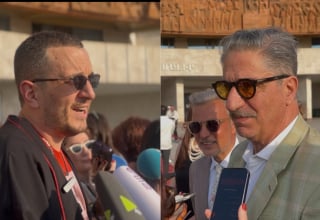
The 23rd "Golden Apricot" Yerevan International Film Festival has kicked off

NEWS.am STYLE



Exhibition “Interconnection: Father and Daughter Faridany” — Memory, Generations, and Family Ties
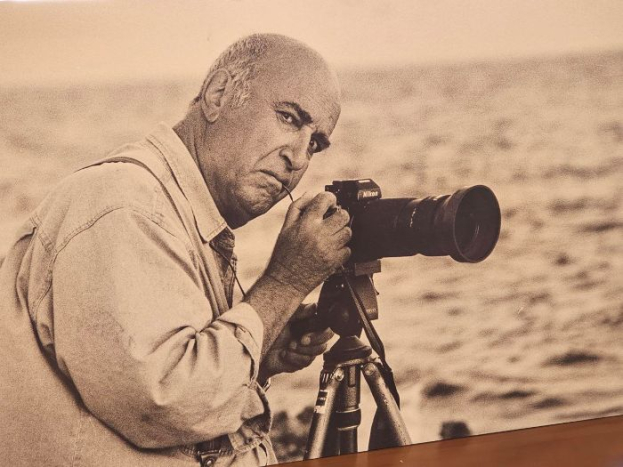
Do you know how many Armenian names have been forgotten under the layers of time, as if buried in desert sands? And yet, those names continue to live on — in other countries, in the memory of other peoples. One such name is Nikol Faridany, a photographer once hailed in Iran as the “father of modern photography,” whose works, however, remained unseen in his homeland for many years. That is why Yerevan has opened the exhibition “Interconnection: Father and Daughter Faridany” — a reminder that memory can be revived, and the voice of art always finds its way to the viewer.
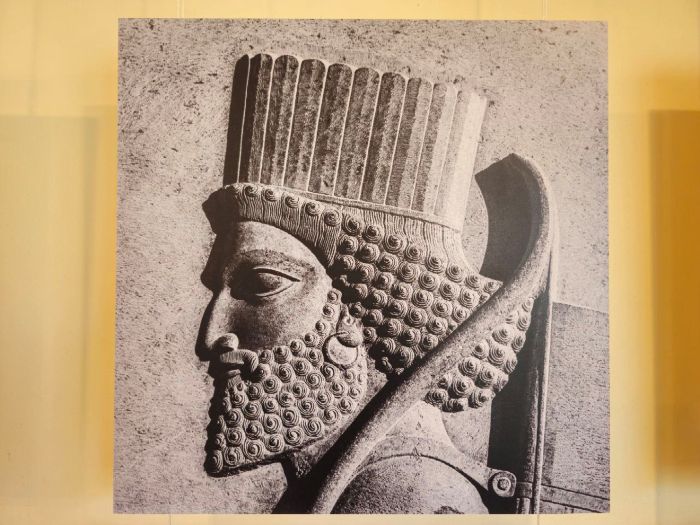
“I felt it was necessary to present Faridany because he was unjustly forgotten as an artist. In Iran, his works hadn’t been exhibited for 15 years, and I thought it was important to show them here, in his homeland. I believe we succeeded,” exhibition curator Anahit Koryun told NEWS.am STYLE.
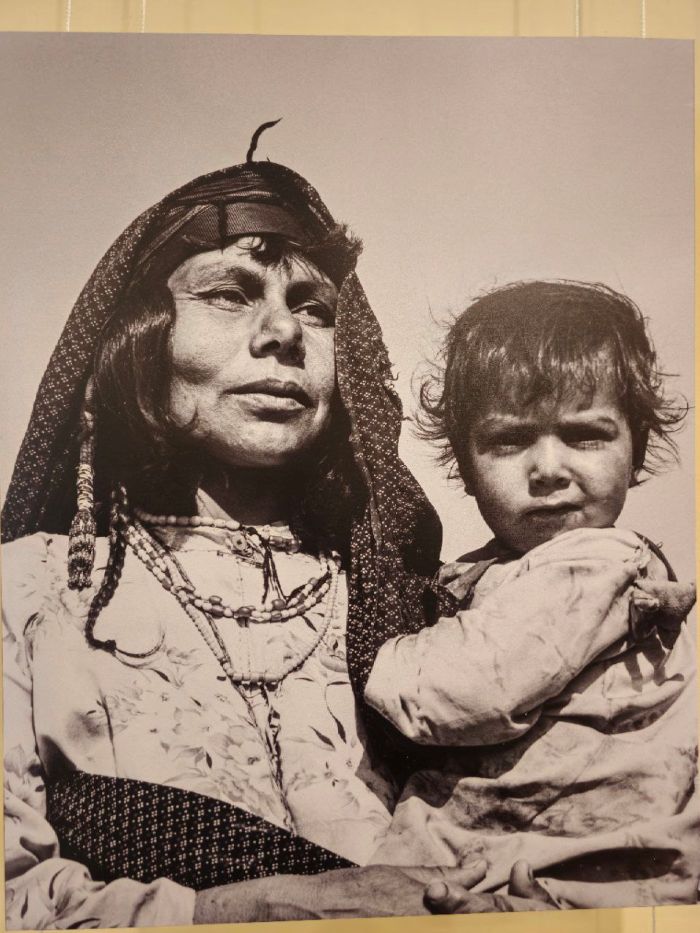
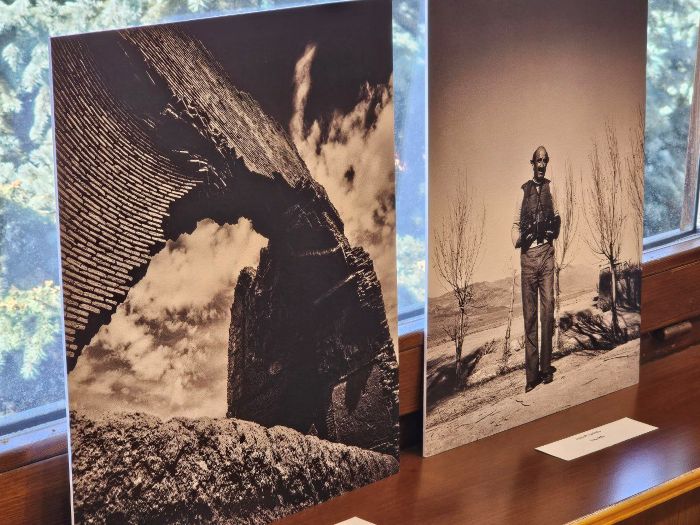
On September 23, the Tekeyan Center opened its doors to the exhibition “Interconnection: Father and Daughter Faridany.” The audience was diverse — Iranians and Armenians, students and older generations, photography enthusiasts and those simply curious to touch the legacy of a master. Over half a century, Nikol created more than 60,000 photographs, thousands of them documenting Iranian Armenian settlements. The Yerevan exhibition presents his black-and-white works from the 1950s–1970s: stark deserts, architectural landmarks, and portraits of Iranians captured with both love and precision.
Curator Anahit Koryun explained that preparing the exhibition took nine months. “We selected only 60 photographs — a symbolic number, just a fragment of his immense legacy. I deliberately focused only on his black-and-white works. Nikol himself used to say that black-and-white is the essence of the genre. It felt right to bring that vision back to the audience — strict, honest, and profound,” she said.
Yet the exhibition is not only about nostalgia, but also about dialogue across generations. Nikol’s daughter, Catherine Faridany, who lives in Canada, presented her project “Interconnected.” It explores the journey of water in the metropolis — from underground sources to the tap in every home.
“At first I wanted to show my photographs of Iran, because I traveled there for five months with my father,” Catherine shared. “But my mother said: you must present this project, because it is different. And in this contrast lies the meaning: my artistic voice is still intertwined with my father’s. It’s impossible to grow up in a home surrounded by his photographs and not be influenced by them.”
She admitted that her works are more educational than emotional, designed to spark reflection. “Most people don’t think about the fact that a liter of tap water costs just a few cents, while bottled water costs a dollar. And then the plastic ends up in the oceans. I wanted to show that the invisible infrastructure we rely on every day is just as valuable as the deserts my father photographed.”
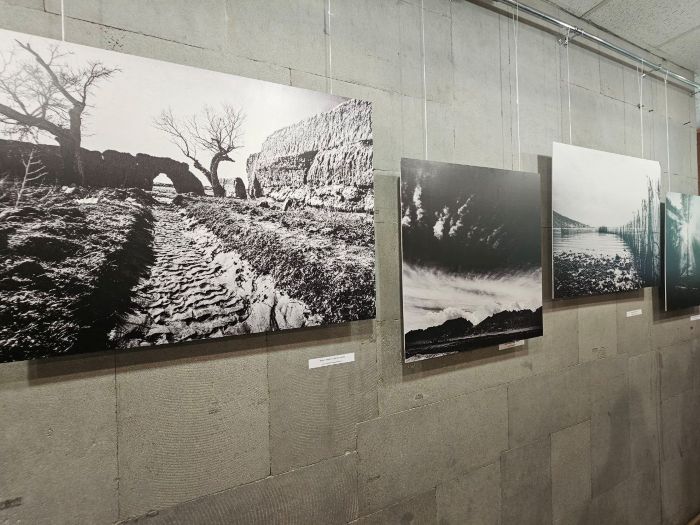
Still, she acknowledged, Nikol’s works evoke far stronger emotions: “Those who love their country feel deep nostalgia when looking at his photographs. I’ve lived in Canada, Bulgaria, South Korea, and, of course, Iran. But when I look at these pictures, I think: if I could go back tomorrow, I would.”
It is symbolic that the joint exhibition opened in Armenia. “For me, this is deeply meaningful,” Catherine admitted. “To see my works alongside my father’s here for the first time — it is both moving and heartfelt.”
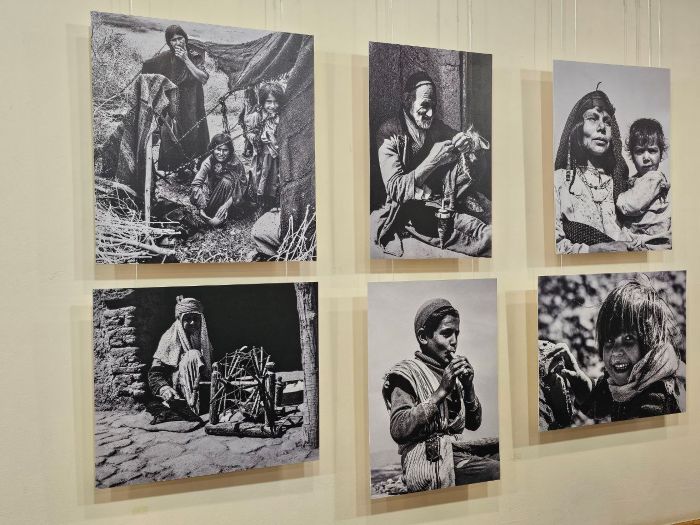
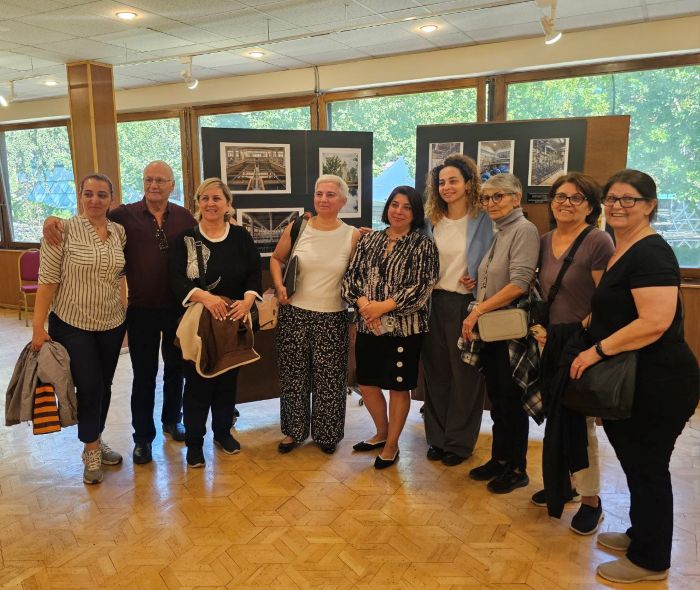
The significance of the event was also emphasized by Mohammad Asadi Mohavedi, Cultural Center advisor at the Embassy of Iran in Armenia: “It gives me great joy to be here today, among friends of Armenia. This exhibition is truly inspiring. It is one thing to read about an artist in books, but another to see his works with your own eyes. And I want to say this: if you haven’t yet been to Iran — go. We are neighbors, and being neighbors is not just geography, it is mutual understanding.”
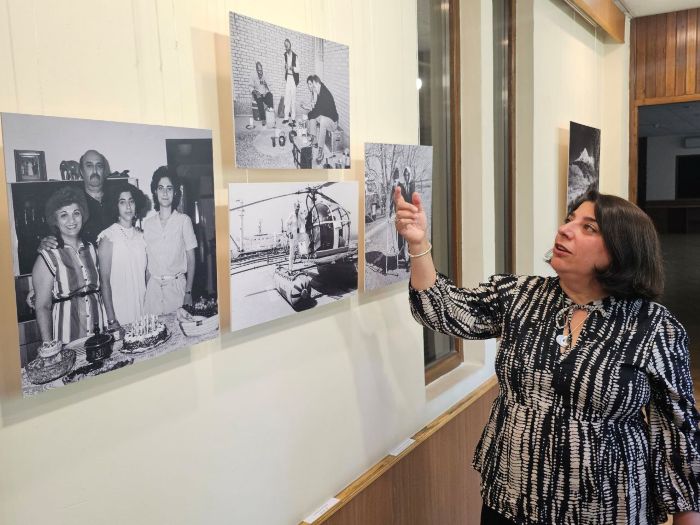
His words reflected the essence of Nikol Faridany’s photography, which captured what unites people and lands: deserts, mountains, faces, traditions. His photographs became a kind of “eyes of Iran” — and now, a bridge between two neighboring nations.
Follow NEWS.am STYLE on Facebook, Twitter and Instagram

- What Billionaires Read Before Bed What do Bill Gates, Bill Ackman and the heads of some of the world's largest companies have in common? In 2026, their reading choices have proved to be far removed from conventional self-help and motivational books. Instead, billionaires are delving into stock market disasters, corporate scandals, artificial intelligence and the stories of people shaping the world, CEOWORLD Magazine reports...
- Paris Is Losing Its Appeal Among the Wealthy: Unrest Hits Luxury Boutiques and Drives Tourists Away Paris, which for decades has remained one of the world's leading luxury shopping capitals, is facing serious challenges. Following widespread unrest, tourist numbers have fallen, the windows of prestigious boutiques have been boarded up, and wealthy shoppers have begun redirecting their trips to London and Milan. For the luxury industry, which is struggling to return to growth after several difficult years, the crisis has come at the worst possible time — in the middle of the crucial pre-Christmas shopping season, The Business of Fashion reports...
- “Too Old to Lose Weight”: Overweight Leopard Bao Bao Becomes a Social Media Star and Is Given a Lifetime Exemption From Dieting A 19-year-old leopard named Pan Bao Bao from a zoo in the Chinese city of Panzhihua has become an internet sensation thanks to his impressive size and rounded belly. Social media users have dubbed him a body-positivity icon and compared him to the chubby cheetah Clawhauser from Disney’s Zootopia. But zoo staff have now made an unexpected decision: they will no longer try to make him lose weight, as shedding pounds at his advanced age could put his health at risk...
- Champagne, £3,000 Dior Bags and Theft from Lovers: Glamorous Con Artist Spent Years Swindling London’s Elite She turned up at London's trendiest venues with perfectly styled hair, expensive Dior and Chanel handbags, and the air of a woman who never needed to check the prices on a menu. Wealthy men competed to buy her champagne, while affluent female friends trusted her with their bank cards. But behind the image of a glamorous socialite, it emerged, was a woman accused of multiple thefts and financial scams...
- The Billionaires’ Boys’ Club: Why Jensen Huang Was Forgiven for Something That Would Have Gotten a Woman Fired Jensen Huang’s return as CEO of Nvidia has become a striking example of how a different set of rules appears to apply to powerful men in the worlds of technology and politics. While female executives face severe consequences for professional misconduct, billionaires seem able to count on the support of their peers — and even the intervention of the US president. That is the conclusion reached by Emma Hinchliffe, editor of Fortune’s Most Powerful Women section....




-
22:19, November 27
What Billionaires Read Before Bed -
21:30, November 27
Louis Vuitton at a Crossroads: Why the World's Most Valuable Luxury Brand Is Losing Its Appeal -
20:21, November 27
Luxury in the Trash: Why Designers Are Selling Ripped Jeans and Dirty Shoes for Thousands of Dollars -
19:27, November 27
Paris Is Losing Its Appeal Among the Wealthy: Unrest Hits Luxury Boutiques and Drives Tourists Away -
16:28, November 27
Vintage Perfumes Are Back in Fashion: Five Iconic Fragrances That Make Perfect New Year Gifts -
15:46, November 27
Kanye West and Bianca Censori Are Set to Renew Their Wedding Vows -
15:21, November 27
“Too Old to Lose Weight”: Overweight Leopard Bao Bao Becomes a Social Media Star and Is Given a Lifetime Exemption From Dieting -
14:33, November 27
Alec Baldwin Claims US Authorities May Have Been Behind John F. Kennedy’s Assassination -
14:15, November 27
Brad Pitt Is Happy With Ines de Ramon but Has No Plans to Get Married -
13:12, November 27
Legendary Supermodel Veruschka Dies at 87: Icon of the 1960s Fashion Scene Passes Away -
12:44, November 27
Arnold Schwarzenegger Shops for Christmas Gifts All Year Round: The Actor Personally Picks Out Presents for His Children, Grandchildren and Girlfriend -
12:19, November 27
Travis Barker Opens Up About Married Life With Kourtney Kardashian: “I Barely See Her”
All materials

@NEWSam_STYLE
@NEWSam_STYLE
- Archive