


NEWS.am STYLE
NEWS.am STYLE
NEWS.am STYLE

NEWS.am STYLE

NEWS.am STYLE
NEWS.am STYLE

NEWS.am STYLE
NEWS.am STYLE
NEWS.am STYLE
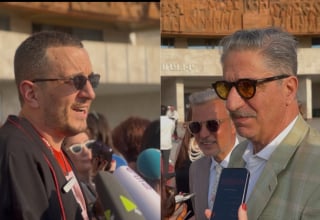
The 23rd "Golden Apricot" Yerevan International Film Festival has kicked off
NEWS.am STYLE
NEWS.am STYLE

NEWS.am STYLE
NEWS.am STYLE
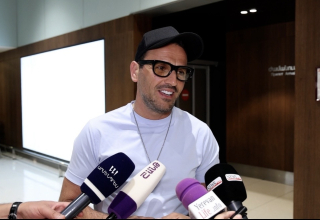
Nikos Vertis to perform in Armenia for the 3rd time at the invitation of “ACVA BUILDINGS”
NEWS.am STYLE

NEWS.am STYLE
NEWS.am STYLE
Exhibition “Interconnection: Father and Daughter Faridany” — Memory, Generations, and Family Ties
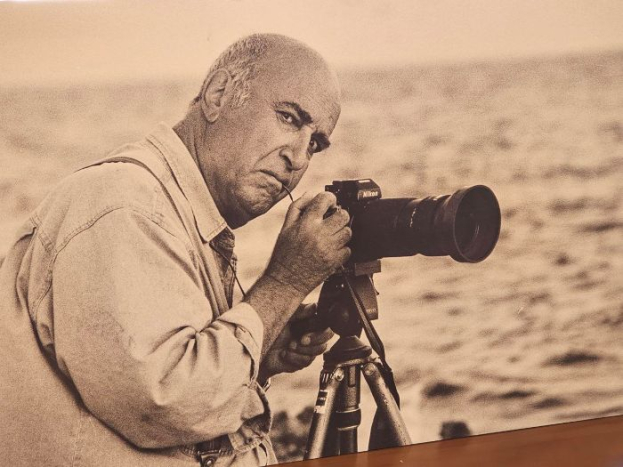
Do you know how many Armenian names have been forgotten under the layers of time, as if buried in desert sands? And yet, those names continue to live on — in other countries, in the memory of other peoples. One such name is Nikol Faridany, a photographer once hailed in Iran as the “father of modern photography,” whose works, however, remained unseen in his homeland for many years. That is why Yerevan has opened the exhibition “Interconnection: Father and Daughter Faridany” — a reminder that memory can be revived, and the voice of art always finds its way to the viewer.
“I felt it was necessary to present Faridany because he was unjustly forgotten as an artist. In Iran, his works hadn’t been exhibited for 15 years, and I thought it was important to show them here, in his homeland. I believe we succeeded,” exhibition curator Anahit Koryun told NEWS.am STYLE.
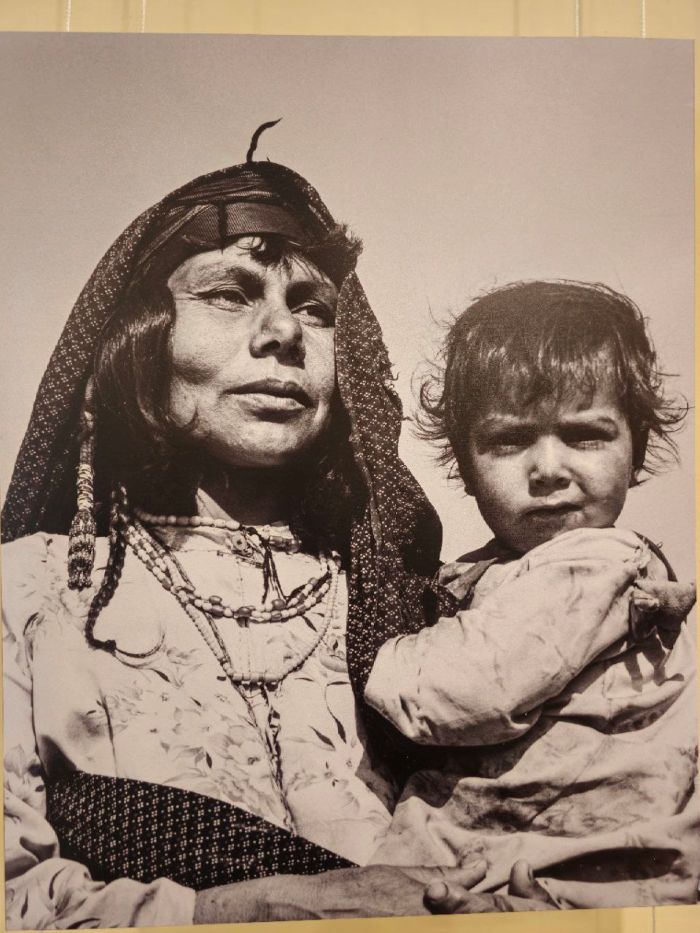
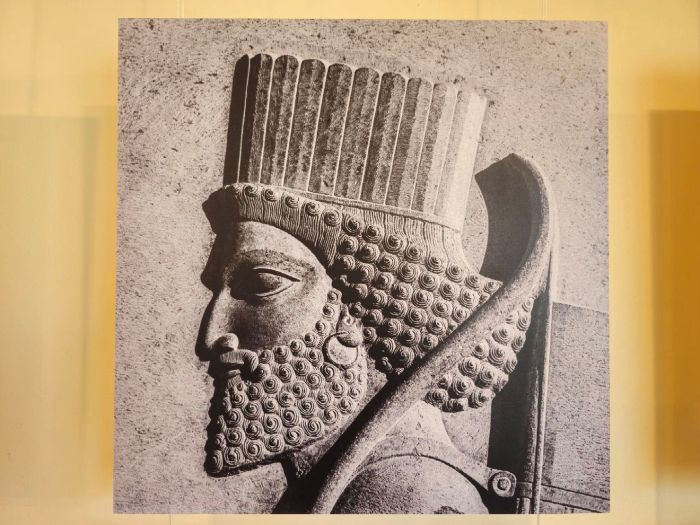
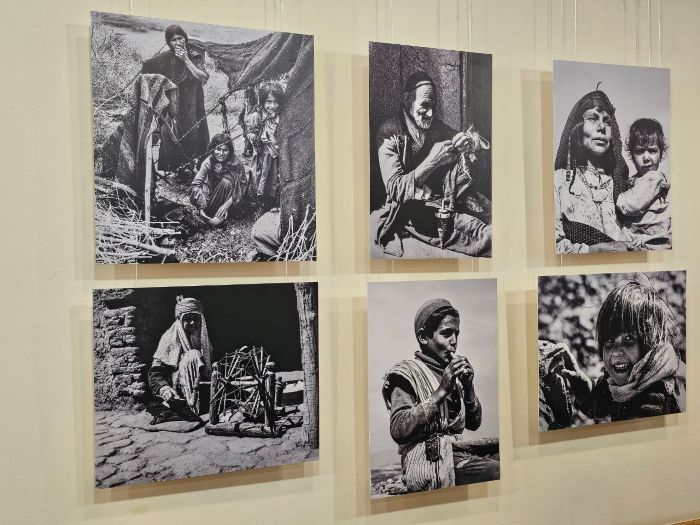
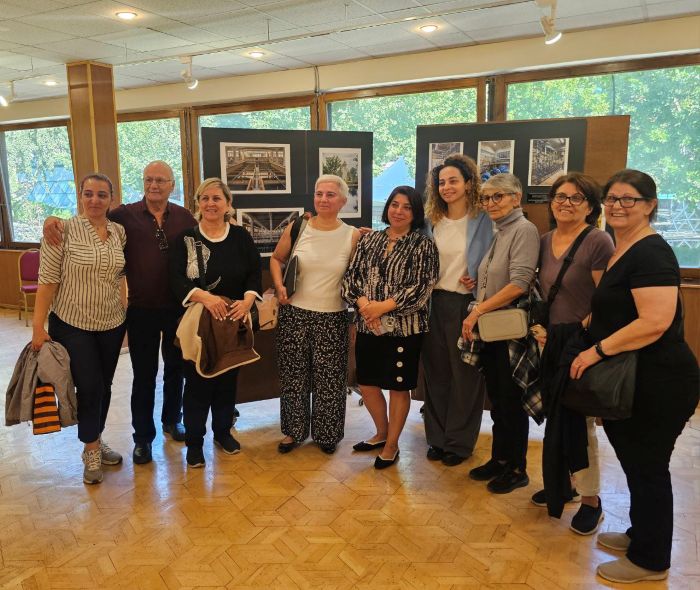
On September 23, the Tekeyan Center opened its doors to the exhibition “Interconnection: Father and Daughter Faridany.” The audience was diverse — Iranians and Armenians, students and older generations, photography enthusiasts and those simply curious to touch the legacy of a master. Over half a century, Nikol created more than 60,000 photographs, thousands of them documenting Iranian Armenian settlements. The Yerevan exhibition presents his black-and-white works from the 1950s–1970s: stark deserts, architectural landmarks, and portraits of Iranians captured with both love and precision.
Curator Anahit Koryun explained that preparing the exhibition took nine months. “We selected only 60 photographs — a symbolic number, just a fragment of his immense legacy. I deliberately focused only on his black-and-white works. Nikol himself used to say that black-and-white is the essence of the genre. It felt right to bring that vision back to the audience — strict, honest, and profound,” she said.
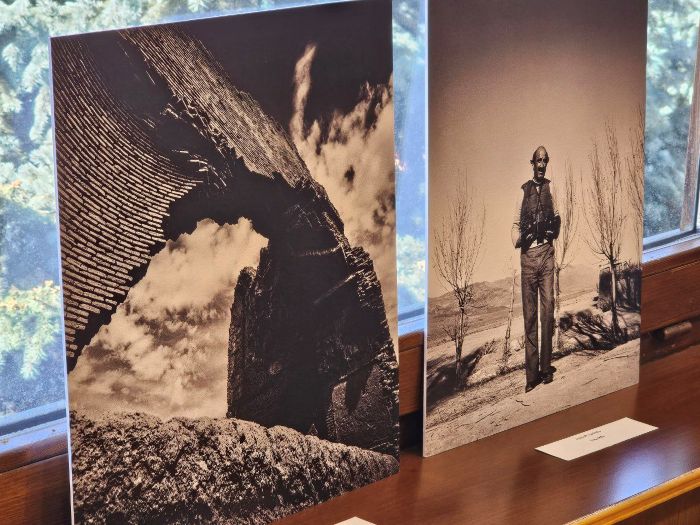
Yet the exhibition is not only about nostalgia, but also about dialogue across generations. Nikol’s daughter, Catherine Faridany, who lives in Canada, presented her project “Interconnected.” It explores the journey of water in the metropolis — from underground sources to the tap in every home.
“At first I wanted to show my photographs of Iran, because I traveled there for five months with my father,” Catherine shared. “But my mother said: you must present this project, because it is different. And in this contrast lies the meaning: my artistic voice is still intertwined with my father’s. It’s impossible to grow up in a home surrounded by his photographs and not be influenced by them.”
She admitted that her works are more educational than emotional, designed to spark reflection. “Most people don’t think about the fact that a liter of tap water costs just a few cents, while bottled water costs a dollar. And then the plastic ends up in the oceans. I wanted to show that the invisible infrastructure we rely on every day is just as valuable as the deserts my father photographed.”
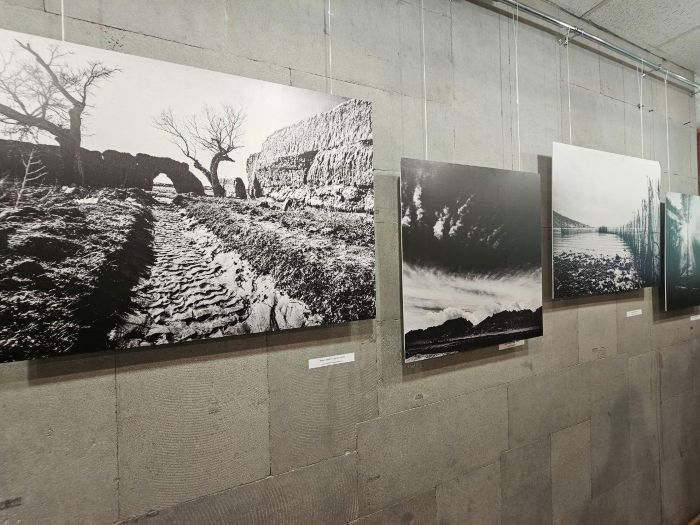
Still, she acknowledged, Nikol’s works evoke far stronger emotions: “Those who love their country feel deep nostalgia when looking at his photographs. I’ve lived in Canada, Bulgaria, South Korea, and, of course, Iran. But when I look at these pictures, I think: if I could go back tomorrow, I would.”
It is symbolic that the joint exhibition opened in Armenia. “For me, this is deeply meaningful,” Catherine admitted. “To see my works alongside my father’s here for the first time — it is both moving and heartfelt.”
The significance of the event was also emphasized by Mohammad Asadi Mohavedi, Cultural Center advisor at the Embassy of Iran in Armenia: “It gives me great joy to be here today, among friends of Armenia. This exhibition is truly inspiring. It is one thing to read about an artist in books, but another to see his works with your own eyes. And I want to say this: if you haven’t yet been to Iran — go. We are neighbors, and being neighbors is not just geography, it is mutual understanding.”
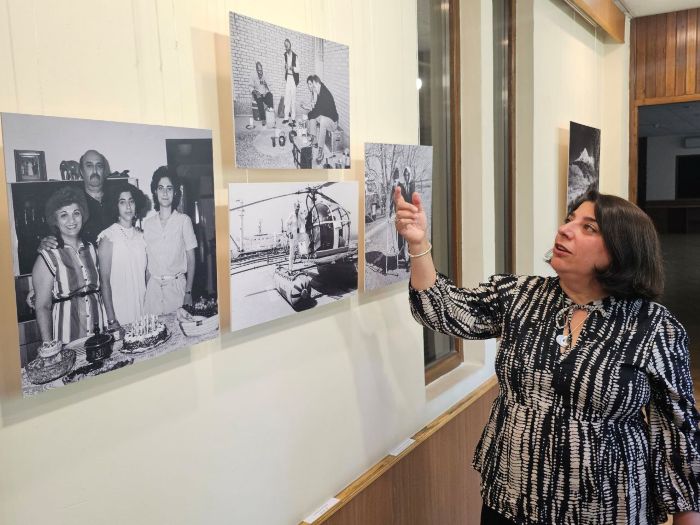
His words reflected the essence of Nikol Faridany’s photography, which captured what unites people and lands: deserts, mountains, faces, traditions. His photographs became a kind of “eyes of Iran” — and now, a bridge between two neighboring nations.
Follow NEWS.am STYLE on Facebook, Twitter and Instagram

- I’m Always Excited to Explore My Roots: Krikor Jabotian on Armenian Fashion and His Collaboration with Armine Harutyunyan Admiring the pieces on display, Jabotian took a moment to speak with NEWS.am STYLE about Armenia’s evolving fashion scene, his connection to his ancestral homeland and his collaboration with Armenian model Armine Harutyunyan…
- «When You Step Into an Aircraft, It Doesn’t Ask Whether You’re a Man or a Woman»: Pilot and Composer Narine Melkumyan Today, alongside her independent work as a flight instructor, Narine also represents Italian aircraft manufacturer Tecnam in the Netherlands through the British company Oriens Aviation. Her responsibilities include developing sales, expanding the brand’s presence in the Dutch market, and conducting demonstration flights in new Tecnam aircraft models...
- Michelin Guide Scandal: Prestigious Restaurant Guide Accused of Using AI to Write Reviews The prestigious Michelin Guide has found itself at the center of a controversy following an investigation by American magazine D Magazine. The publication alleges that artificial intelligence may have written most, if not all, of the new reviews of Dallas restaurants featured in the guide’s 2026 edition. Michelin has denied the allegations...
- Rolex Instead of Gold: Why Billionaires Are Investing in Watches, Rubies, and Klimt Paintings The world’s wealthiest families are increasingly putting their money into luxury collectibles, from Rolex watches and gemstone jewelry to works of art. For them, these assets offer not only a way to protect wealth against inflation and market turmoil, but also an opportunity to signal status. However, experts warn that not every expensive item makes a profitable investment, Fortune reports...
- “It’s Not a Catastrophe”: LVMH Heir Explains Why Luxury Brands Shouldn’t Panic Over the Crisis In an interview excerpt published by FashionNetwork, Arnault emphasized that the group’s strategy is built on patience, a forward-looking mindset, and working with the best talent. “Our strategy is to look ahead, remain patient, and work with the best talent,” he said...




-
15:30, October 18
I’m Always Excited to Explore My Roots: Krikor Jabotian on Armenian Fashion and His Collaboration with Armine Harutyunyan -
19:28, October 17
«When You Step Into an Aircraft, It Doesn’t Ask Whether You’re a Man or a Woman»: Pilot and Composer Narine Melkumyan -
18:18, October 17
Michelin Guide Scandal: Prestigious Restaurant Guide Accused of Using AI to Write Reviews -
17:32, October 17
Rolex Instead of Gold: Why Billionaires Are Investing in Watches, Rubies, and Klimt Paintings -
16:04, October 17
“It’s Not a Catastrophe”: LVMH Heir Explains Why Luxury Brands Shouldn’t Panic Over the Crisis -
15:29, October 17
Cher Reveals the Secret Behind Her Legendary “Naked” Met Gala Dress -
14:11, October 17
Michael Douglas Recalls Danny DeVito Swallowing All Their Joints When Police Pulled Them Over -
13:22, October 17
“You’ve Humiliated Me!” Meghan Markle Cut Ties With Designer Over Kate Middleton Blunder -
12:17, October 17
Kim Kardashian Celebrates 46th Birthday in a Dress Made Almost Entirely of Strings -
11:50, October 17
“She Showed Photos of Penises and Bragged About Her Lovers”: Scandal Surrounding Former US Ambassador to Greece Deepens -
11:12, October 17
Mike Tyson Spends Thousands on Perfume, With Each Bottle Costing Up to $6,000 -
10:30, October 17
Billionaire Heiress Spends Up to $60,000 a Year on Beauty, Including Botox Since Age 23 and $500 Manicures
All materials

@NEWSam_STYLE
@NEWSam_STYLE
- Archive