


NEWS.am STYLE

NEWS.am STYLE

NEWS.am STYLE

NEWS.am STYLE

NEWS.am STYLE
NEWS.am STYLE

NEWS.am STYLE

NEWS.am STYLE
NEWS.am STYLE
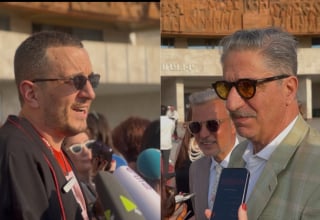
The 23rd "Golden Apricot" Yerevan International Film Festival has kicked off

NEWS.am STYLE

NEWS.am STYLE

NEWS.am STYLE
NEWS.am STYLE
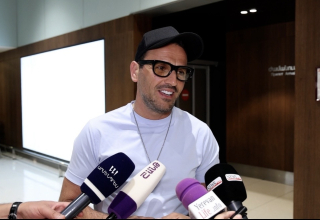
Nikos Vertis to perform in Armenia for the 3rd time at the invitation of “ACVA BUILDINGS”
NEWS.am STYLE

NEWS.am STYLE
NEWS.am STYLE

Burnout, fatigue, and apathy: Signs of male “menopause”
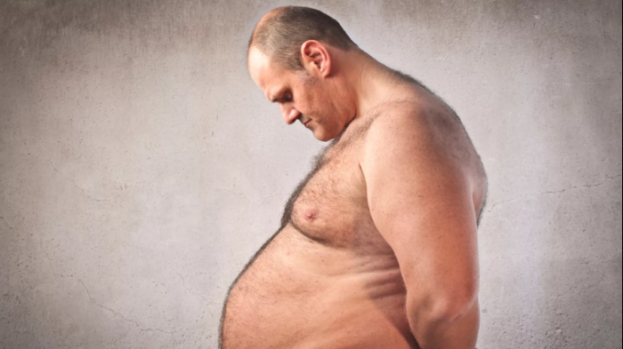
When psychologist James Davis approached his 50th birthday, he noticed his energy waning faster than the candles on his birthday cake.
“My wife, Claire, was actually the first to notice that I was becoming withdrawn, struggling to focus, and losing energy,” Davis, 52, told NYP. “I realized I felt depressed, a bit apathetic, life seemed flat, and I was losing motivation and direction at work.”
Soon, Davis discovered he was experiencing andropause, also called “male menopause” or manopause. Unlike female menopause, which is universal, andropause manifests more subtly and doesn’t affect all men.
“The term ‘andropause’ is useful for the general public,” explains Dr. William T. Berg, assistant professor of urology at Stony Brook Medicine. “It describes age-related testosterone decline, which can present as fatigue, reduced libido, concentration problems, low mood, and sleep disturbances.”
Experts estimate that andropause affects 40% of men over 45 and up to half of men over 80, though many suffer in silence. Social pressures often prevent men from acknowledging symptoms or seeking help.
Why Testosterone Drops
Andropause begins at the cellular level. Leydig cells in the testes produce testosterone using cholesterol, but their function gradually declines — usually starting around age 30. A diagnosis is typically made when testosterone levels fall below 300 ng/dL accompanied by noticeable symptoms.
How to Restore Energy: Exercise, Nutrition, and Hormone Therapy
The good news: lifestyle changes can naturally boost testosterone. Short, intense workouts, strength training, healthy fats, protein, vitamins (C, D3), zinc, magnesium, and omega-3 fatty acids all help restore balance. Meditation, stress management, and quality sleep are also crucial.
Follow NEWS.am STYLE on Facebook, Twitter and Instagram

- Diet Soda or Water: Study Reveals Which Drink Is More Effective for Weight Loss Sugar-free soft drinks may be just as effective as plain water for weight loss, according to researchers at the University of Liverpool in the UK. Their conclusion is based on a two-year randomized trial involving nearly 500 people who were overweight or living with obesity...
- Your Smartphone Could Be Stealing Years of Your Life: Scientists Warn of the Consequences of Endless Scrolling Spending hours scrolling through social media may have far more serious consequences for health than previously thought. According to a major scientific review, excessive screen use is linked to millions of years of life lived with mental health disorders...
- Popular Weight-Loss Drugs Could Deprive the Brain of Energy, Expert Warns As GLP-1 weight-loss drugs, including Ozempic and Wegovy, continue to surge in popularity, experts are warning that losing weight too quickly and severely restricting calorie intake could deprive the brain of essential energy and nutrients...
- Just Two Spoonfuls a Day: Scientists Find an Unexpected Link Between Tomatoes and Memory A diet rich in fruits and vegetables has long been associated with better memory. Now, Spanish scientists have identified another potential link: ordinary tomatoes may influence brain function — and the key could be lycopene, a powerful antioxidant...
- Your Breasts Are Paying the Price for Your Favorite Bra: 5 Signs You’re Wearing the Wrong Size Taking off your bra after a long day is one of life’s little pleasures. But if you spend the entire day in pain or discomfort and literally count the hours until you can finally unhook it, the problem may be that you’re wearing the wrong size...




-
19:28, October 17
«When You Step Into an Aircraft, It Doesn’t Ask Whether You’re a Man or a Woman»: Pilot and Composer Narine Melkumyan -
18:18, October 17
Michelin Guide Scandal: Prestigious Restaurant Guide Accused of Using AI to Write Reviews -
17:32, October 17
Rolex Instead of Gold: Why Billionaires Are Investing in Watches, Rubies, and Klimt Paintings -
16:04, October 17
“It’s Not a Catastrophe”: LVMH Heir Explains Why Luxury Brands Shouldn’t Panic Over the Crisis -
15:29, October 17
Cher Reveals the Secret Behind Her Legendary “Naked” Met Gala Dress -
14:11, October 17
Michael Douglas Recalls Danny DeVito Swallowing All Their Joints When Police Pulled Them Over -
13:22, October 17
“You’ve Humiliated Me!” Meghan Markle Cut Ties With Designer Over Kate Middleton Blunder -
12:17, October 17
Kim Kardashian Celebrates 46th Birthday in a Dress Made Almost Entirely of Strings -
11:50, October 17
“She Showed Photos of Penises and Bragged About Her Lovers”: Scandal Surrounding Former US Ambassador to Greece Deepens -
11:12, October 17
Mike Tyson Spends Thousands on Perfume, With Each Bottle Costing Up to $6,000 -
10:30, October 17
Billionaire Heiress Spends Up to $60,000 a Year on Beauty, Including Botox Since Age 23 and $500 Manicures -
23:06, October 16
The First Woman to Paint Erotic Art: The Story of Renaissance Artist Lavinia Fontana
All materials

@NEWSam_STYLE
@NEWSam_STYLE
- Archive