



NEWS.am STYLE

NEWS.am STYLE

NEWS.am STYLE
NEWS.am STYLE
NEWS.am STYLE

NEWS.am STYLE

NEWS.am STYLE

NEWS.am STYLE

The 23rd "Golden Apricot" Yerevan International Film Festival has kicked off

NEWS.am STYLE

NEWS.am STYLE

NEWS.am STYLE

NEWS.am STYLE

Nikos Vertis to perform in Armenia for the 3rd time at the invitation of “ACVA BUILDINGS”

NEWS.am STYLE

NEWS.am STYLE

NEWS.am STYLE
NEWS.am STYLE




The return of “heroin chic”: When thinness is masquerading as health
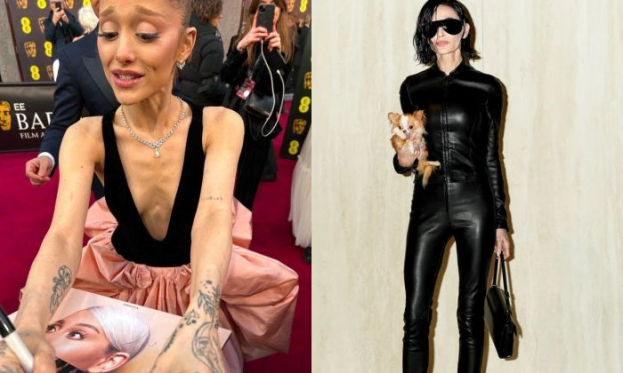
Director and screenwriter Chloe Wallace recently sparked social media conversations following the Oscars by criticizing the resurgence of extreme thinness as a beauty standard, according to El Pais.
“Every red carpet, every event, every time I open Instagram—they’re thinner than last week… it’s like an invisible contest everyone is competing in,” Wallace wrote.
Previously, the pursuit of thinness was overt: calorie counting, strict diets, and fasting. Today, it hides behind the guise of health. “Now it’s weekly injections that suppress hunger. Thinness has become capital again. This isn’t aesthetics—it’s politics. And the most insidious part is it’s presented as health and well-being,” she warned.
The post went viral, garnering tens of thousands of likes, comments, and shares. Experts have long raised alarms: the “heroin chic” aesthetic of the 1990s is returning, now amplified by social media and cloaked in the language of health and wellness.
“Heroin Chic” in the 21st Century
According to nutritionist Azahara Nieto, there were periods of “neutral body” aesthetics when societal pressure to meet beauty standards was lower. Today, thinness is back—and it “hides behind health.”
Dietitian Violeta Moise notes that “heroin chic used to be provocative and aesthetic.” “Now it’s more sophisticated: wellness, discipline, and body optimization.”
Social media intensifies this pressure, increasing mental health risks and contributing to eating disorders. “Recovery in a society that glorifies extreme thinness is extremely challenging,” Nieto emphasizes.
The Role of Medications and the “Ozempic Effect”
Experts also point to the growing popularity of appetite-suppressing drugs like Ozempic, which can help users lose 15–25% of body weight. Despite their medical purpose, they are often used for aesthetic thinness. Celebrity campaigns, such as those featuring Serena Williams, highlight beauty over health.
Endocrinologist Andrea Chiudin warns of risks: high doses and unsupervised use can lead to malnutrition and complications. With falling prices and expiring patents, uncontrolled use—and the potential rise in eating disorders—could increase.
Thinness as Status and Control
Moise stresses that “body ideals reflect social values: control, discipline, productivity, conformity.” Philosopher Magdalena Pineiro adds that the return of extreme thinness is a reaction to the body-positive movement. Thinness is now framed as a symbol of status, success, and moral superiority.
Nieto notes, “In the past, people told you you were fat; now they say you have inflammation.” Under the guise of health and fitness, a strict system of body control emerges: what you can eat, what you can’t, what’s good, what’s bad.
Extreme thinness disguised as health leads to frustration, health problems, and rising eating disorders among young people. Pineiro urges critical thinking about the idea of “health through hunger and pharmaceuticals”: “Equating thinness with health is a mistake, especially when many people become sick trying to reach imposed beauty ideals.”
Follow NEWS.am STYLE on Facebook, Twitter and Instagram

- Diet Soda or Water: Study Reveals Which Drink Is More Effective for Weight Loss Sugar-free soft drinks may be just as effective as plain water for weight loss, according to researchers at the University of Liverpool in the UK. Their conclusion is based on a two-year randomized trial involving nearly 500 people who were overweight or living with obesity...
- Your Smartphone Could Be Stealing Years of Your Life: Scientists Warn of the Consequences of Endless Scrolling Spending hours scrolling through social media may have far more serious consequences for health than previously thought. According to a major scientific review, excessive screen use is linked to millions of years of life lived with mental health disorders...
- Popular Weight-Loss Drugs Could Deprive the Brain of Energy, Expert Warns As GLP-1 weight-loss drugs, including Ozempic and Wegovy, continue to surge in popularity, experts are warning that losing weight too quickly and severely restricting calorie intake could deprive the brain of essential energy and nutrients...
- Just Two Spoonfuls a Day: Scientists Find an Unexpected Link Between Tomatoes and Memory A diet rich in fruits and vegetables has long been associated with better memory. Now, Spanish scientists have identified another potential link: ordinary tomatoes may influence brain function — and the key could be lycopene, a powerful antioxidant...
- Your Breasts Are Paying the Price for Your Favorite Bra: 5 Signs You’re Wearing the Wrong Size Taking off your bra after a long day is one of life’s little pleasures. But if you spend the entire day in pain or discomfort and literally count the hours until you can finally unhook it, the problem may be that you’re wearing the wrong size...




-
19:19, October 10
Meghan Markle Wants to Flee Prince Harry as Reports Claim Their Marriage Is on the Brink of Collapse -
18:20, October 10
30,000 Bottles of Fine Wine Worth £4 Million Stolen in Italy in Suspected Biggest Winery Heist in the Country’s History -
17:33, October 10
Can Garlic Help You Win a Woman Over? Scientists Explore How Food Affects Dating -
16:30, October 10
Private Maldives Island Listed for $72 Million — and Buyers Can Pay in Cryptocurrency -
15:24, October 10
Donald Trump’s Granddaughter Kai Criticized Over Luxury Apartment and $531 Sephora Haul: ‘Spoiled Heiress’ -
14:14, October 10
Megan Fox Launches Her Own OnlyFans Rival With Subscriptions Starting at $20 a Month -
13:33, October 10
Prince Harry Reportedly Earned $100,000 for Opening Up About Depression and the Death of Princess Diana -
12:17, October 10
“A Victim Who Enjoys Being Stalked”: Trump’s Niece Weighs In on His Unusual Relationship With His Young Aide -
11:22, October 10
“He Saw It as the Death of a Child”: Elon Musk’s Ex-Wife Opens Up About His Reaction to His Daughter’s Transition -
10:30, October 10
Amal Clooney Gets Ahead of the Trends in a Glamorous Gucci Gown -
23:01, October 9
Why Do Billionaires Have So Many Children If They Aren’t Prepared to Raise Them Themselves? -
22:21, October 9
Silicon Valley Billionaires Want to Reverse Aging: First Human Trial Offers Encouraging Signs
All materials

@NEWSam_STYLE
@NEWSam_STYLE
- Archive