


NEWS.am STYLE

NEWS.am STYLE

NEWS.am STYLE

NEWS.am STYLE

NEWS.am STYLE
NEWS.am STYLE

NEWS.am STYLE

NEWS.am STYLE

NEWS.am STYLE

The 23rd "Golden Apricot" Yerevan International Film Festival has kicked off

NEWS.am STYLE

NEWS.am STYLE

NEWS.am STYLE

NEWS.am STYLE

Nikos Vertis to perform in Armenia for the 3rd time at the invitation of “ACVA BUILDINGS”

NEWS.am STYLE

NEWS.am STYLE

NEWS.am STYLE


Viral “No-Poo” hair trend could lead to hair loss and premature graying, experts warn
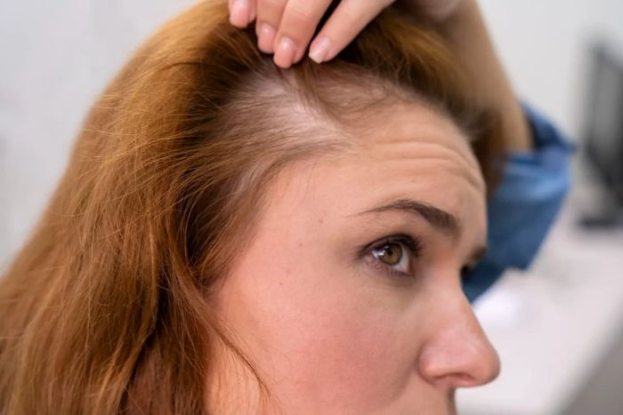
Beauty trends come and go — but some can leave lasting damage. A viral haircare movement gaining traction on social media is now raising concerns among experts, who warn it may do more harm than good.
The trend, known as #NoPoo or “hair training,” encourages people to completely отказаться от шампуня in order to “rebalance” the scalp and improve overall hair health. It has become especially popular among Gen Z influencers, many of whom claim that the initial adjustment period is worth the long-term benefits.
However, specialists say the science tells a different story. While many of the trend’s supposed advantages are based on anecdotal evidence, research suggests that avoiding regular washing can lead to dandruff, scalp irritation, slower hair growth, and worsening skin conditions.
One of the most persistent myths — that frequent washing causes hair loss — is also misleading. In reality, experts warn that the opposite habit, washing too infrequently, may contribute to androgenetic alopecia (AGA), the most common form of hair loss.
When hair thinning begins, the scalp is already under stress from dihydrotestosterone (DHT), a hormone that shrinks hair follicles and produces thinner, shorter, and less pigmented strands.
Skipping regular cleansing can worsen the problem. Excess sebum buildup may trigger inflammation, microbial imbalance, and oxidative stress — all factors that accelerate follicle miniaturization and disrupt healthy hair growth.
Sebum itself plays a protective role for both scalp and hair, but in excess it can trap DHT around the follicle and interfere with the scalp’s natural microbiome.
Studies published in Skin Appendage Disorders have shown that microbial imbalances — particularly the overgrowth of fungi and bacteria — can significantly ухудшить состояние волосяных фолликулов.
People who go long periods without washing often report itching, increased oiliness, and a heavy buildup around the follicles. This may be caused by keratin debris, oxidized sebum, and microbial overgrowth — a combination that can effectively “suffocate” the scalp and compromise hair health.
While sulfates in shampoos are often criticized for being too harsh, there is no scientific evidence linking them to hair loss. These cleansing agents primarily affect the outer layer of the hair and scalp, and may only cause dryness or irritation in sensitive individuals — without impacting the follicles themselves.
As the #NoPoo trend continues to spread online, experts urge caution: when it comes to scalp health, less washing isn’t always better.
Follow NEWS.am STYLE on Facebook, Twitter and Instagram

- From Fawn Spots to Coffee French Tips: The Biggest Nail Trends for Fall/Winter 2026 Natural shades, unusual patterns and understated accents are set to define the manicure trends for fall and winter 2026. Vogue Arabia has highlighted several ideas to refresh your go-to look...
- Hailey Bieber’s Rhode Launches Strawberry-Shaped Pimple Patches and a New Skincare Accessory Hailey Bieber’s Rhode has unveiled several new additions to its Spotwear line, including the Spot Case, the brand’s first-ever accessory designed to store its skincare patches, and adorable new patches shaped like strawberries...
- The Ordinary Launches Lacto-PDRN Eye Cream for a Brighter, More Radiant Look After Just One Application The Ordinary is expanding its eye-care range with the launch of the new Lacto-PDRN 4% + B9 Eye Cream, a hydrating formula designed to make the eye area look fresher and more radiant after just one application. With regular use, the brand says, the results become even more noticeable...
- Beauty with a Surprise: Scientists Find Microscopic Mites Under Eyelash Extensions Women who regularly get eyelash extensions may be highly likely to have microscopic mites living on their lashes, according to a new study cited by the Telegraph...
- Dior’s Glow of Luxury: Jenna Ortega, Anya Taylor-Joy and Jisoo Front New Skin Tint Dior Beauty is expanding its complexion makeup lineup with the launch of Dior Backstage Glow-Up Skin Tint, its first three-in-one hybrid complexion product. To mark the highly anticipated debut, the luxury house has assembled a star-studded ambassador lineup, with Jenna Ortega, Anya Taylor-Joy and Jisoo starring in the campaign and showcasing the skincare-infused formula...




-
19:17, October 19
An Armenian Balm With an 800-Year History: How Matenadaran Brought an Ancient Recipe Back to Life -
16:23, October 19
Affair With a 19-Year-Old White House Intern and Infidelity Before His Wedding: New Book Reveals John F. Kennedy’s Secret Love Life -
15:15, October 19
Netflix Used Meghan Markle to Promote ‘The Gentlemen,’ Sources Claim -
14:38, October 19
She Can Afford a $13,000 Birkin but Refuses to Buy One: Social Media Star Explains Why She Won’t Splurge on Hermès’ Iconic Bag -
14:19, October 19
Secret Marriage, Abuse Allegations, a $100 Million Sex Tape and a $10 Million Wedding: Shocking Kim Kardashian Revelations in New Book -
13:18, October 19
Kim Kardashian Recreates Elizabeth Taylor’s Iconic Style in Vintage Balenciaga Gown and Dazzling Diamonds -
12:45, October 19
Bella Hadid Steals the Show at the 2026 Victoria’s Secret Fashion Show in Two Stunning Looks and Giant Wings -
12:20, October 19
Luxury Under Guard: Dior Deploys Private Security Amid Paris Looting -
11:58, October 19
‘Best Sex of Her Life’: Dakota Johnson’s Friends Reveal Steamy Details of Her Romance With Machine Gun Kelly -
11:30, October 19
Chanel, Gucci and Burberry Under Fire: What Luxury Brands Have Been Hiding From Consumers -
10:55, October 19
Bianca Censori Goes Braless in Revealing Red Outfit for Night Out With Kanye West -
10:24, October 19
Kylie Jenner’s $50 Million Fantasy Bra: Victoria’s Secret Debut Sparks Backlash
All materials

@NEWSam_STYLE
@NEWSam_STYLE
- Archive