



NEWS.am STYLE

NEWS.am STYLE

NEWS.am STYLE

NEWS.am STYLE

NEWS.am STYLE

NEWS.am STYLE

NEWS.am STYLE

NEWS.am STYLE

The 23rd "Golden Apricot" Yerevan International Film Festival has kicked off

NEWS.am STYLE

NEWS.am STYLE

NEWS.am STYLE

NEWS.am STYLE

Nikos Vertis to perform in Armenia for the 3rd time at the invitation of “ACVA BUILDINGS”

NEWS.am STYLE

NEWS.am STYLE

NEWS.am STYLE

NEWS.am STYLE



In Uganda, You Don't Wear a Rolex — You Eat It!

When Emmanuel Jonathan Okello decided to open his own restaurant, he knew exactly which dish would be the star of his menu: the "Rolex."
In Uganda, there is a popular joke: "We don't wear Rolexes, we eat them." Today, this iconic East African street food is famous far beyond the country's borders. Yet it originated from a very simple combination of eggs and Indian chapati flatbread, reports CNN.

Emmanuel Okello, founder of The Rolex Guy chain of restaurants, explained that the name "Rolex" is a corruption of the phrase "rolled egg."
"The early cooks carefully rolled the omelet into an Indian chapati flatbread. For lack of a better phrase, people quickly started calling this wrap a 'Rolex.'"
From Working-Class Neighborhoods to University Campuses
The dish's history began at the turn of the 20th century, when the British brought Indian laborers to Uganda to build railways. Along with them came the tradition of baking chapati. Ugandans tweaked the recipe slightly, making the flatbread softer while retaining a crispy crust.
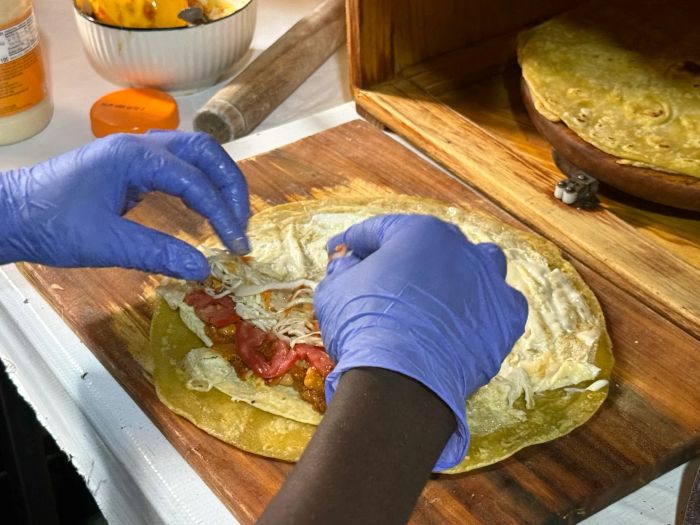
The ingredients are remarkably simple: wheat flour, salt, warm water, and a splash of oil. The dough is rolled out and pan-fried on a flat, circular griddle.
Originally, the "Rolex" was a cheap snack for low-income workers in the eastern part of the country. However, students at Makerere University in Kampala gave it true stardom in the 1990s. Priced at just around 20 cents, street-side Rolexes fit perfectly into a student budget and were filling enough to keep hunger at bay all day.
Culinary Evolution: From Street Carts to Fine Dining
A classic Rolex is effortless to prepare:
-
Eggs are whisked and fried into a thin omelet.
-
The finished omelet is placed directly onto the chapati.
-
It is topped with shredded cabbage and fresh tomatoes.
-
Everything is tightly rolled into a wrap.
Today, however, Ugandans have turned this humble street snack into a canvas for culinary experimentation.
Okello recalls a trip to Jinja where he met a street vendor who added fried tripe to the filling. That gave him the idea that you can put virtually anything inside a Rolex: beef sausages, chicken curry sauce, bacon, avocado, or minced meat. At his restaurant, The Rolex Guy, they even serve the "Chef’s Special"—a Rolex packed with every single filling available (priced at around $5.50).
Chef Jonathan Kabugo even authored an entire cookbook on the subject, titled How to Rolex.
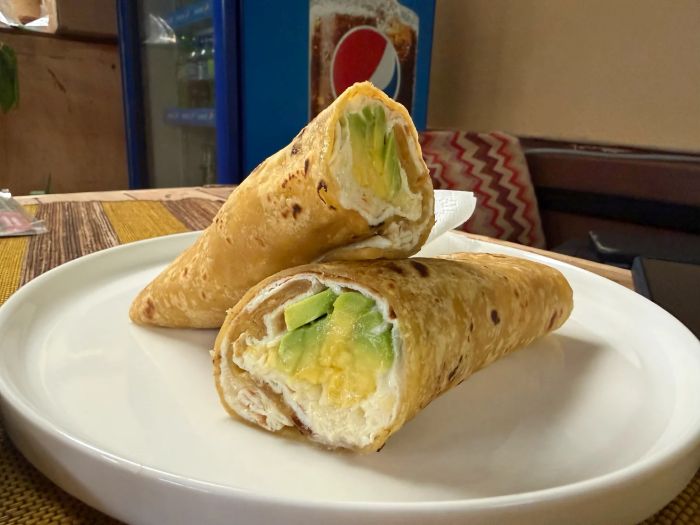
The dish has already expanded beyond national borders, appearing on street corners across Kenya, Rwanda, and Burundi. Meanwhile, the luxury watchmaker Rolex seems to have accepted the phenomenon.
"There are 60 million people in Uganda devouring Rolexes. What can the watchmakers really do about it? I think they should be proud that their brand has taken such deep root in our cuisine!" Jonathan notes.
Follow NEWS.am STYLE on Facebook, Twitter and Instagram

- Five Mistakes That Can Quietly Destroy a Marriage The secret to a happy, lasting marriage lies not only in compatibility but also in the ability to maintain emotional intimacy. A study published in the journal Family Process found that better communication and greater emotional security are associated with higher relationship satisfaction...
- Dubai in Three Days: From Glowing Sunrises to Cinematic Sunsets over the Marina Mornings here can feel worlds apart from evenings, while familiar places reveal entirely unexpected sides of the city. In just 72 hours, you can do more than visit the main attractions: you can experience Dubai’s many different moods — its scale, character, flavors, and the particular kind of luxury that can be found even in its most secluded corners...
- Beautiful Faces Attract Women Regardless of Gender: Scientists Discover How Men and Women Look at Beauty We all occasionally find ourselves sneaking a glance at attractive people. However, a new study has found that men and women do so in different ways...
- Fruits and Vegetables Are Up to 50% Less Nutritious Than in the 1960s: Scientists Warn of ‘Nutrient Depletion’ in Food Fruits and vegetables may contain significantly fewer nutrients than they did 60 years ago. According to a new study, levels of several essential minerals and vitamins in agricultural produce have fallen by 20% to 50%. Researchers cite declining soil quality as one of the main reasons, the New York Post reports...
- 30,000 Bottles of Fine Wine Worth £4 Million Stolen in Italy in Suspected Biggest Winery Heist in the Country’s History Italy has been hit by what is believed to be the biggest winery heist in the country’s history, with a gang of professional thieves making off with around 30,000 bottles of fine wine worth an estimated £4 million...




-
11:42, October 13
Sean “Diddy” Combs Rushed to Hospital After Suffering Head Injury in Prison Fall -
11:18, October 13
Bella Hadid Celebrates Her 30th Birthday in a Red Bikini and Cowboy Boots -
10:30, October 13
Ray-Ban Heir Leonardo Del Vecchio Claims He Has Slept With More Than 2,000 Women -
23:01, October 12
Five Mistakes That Can Quietly Destroy a Marriage -
22:29, October 12
Five Mistakes That Can Quietly Destroy a Marriage -
21:22, October 12
Hailey Bieber’s Rhode Launches Strawberry-Shaped Pimple Patches and a New Skincare Accessory -
19:30, October 12
Dubai in Three Days: From Glowing Sunrises to Cinematic Sunsets over the Marina -
16:21, October 12
Beautiful Faces Attract Women Regardless of Gender: Scientists Discover How Men and Women Look at Beauty -
15:30, October 12
Silicon Valley Billionaires Become Hollywood’s Biggest Villains: Musk, Zuckerberg and Altman Take Centre Stage in Dark New Films -
14:38, October 12
Tobey Maguire ‘Walks’ Ex-Wife Down the Aisle to Marry Billionaire Heir Just Weeks After Their Divorce Was Finalised -
14:17, October 12
Fruits and Vegetables Are Up to 50% Less Nutritious Than in the 1960s: Scientists Warn of ‘Nutrient Depletion’ in Food -
13:29, October 12
‘I Only Held a Dollar Bill for the First Time Five Years Ago’: Britney Spears Slams Her Parents Over Years of Conservatorship
All materials

@NEWSam_STYLE
@NEWSam_STYLE
- Archive