



NEWS.am STYLE

NEWS.am STYLE

NEWS.am STYLE

NEWS.am STYLE

NEWS.am STYLE

NEWS.am STYLE

NEWS.am STYLE

NEWS.am STYLE

NEWS.am STYLE

The 23rd "Golden Apricot" Yerevan International Film Festival has kicked off

NEWS.am STYLE

NEWS.am STYLE

NEWS.am STYLE

NEWS.am STYLE

Nikos Vertis to perform in Armenia for the 3rd time at the invitation of “ACVA BUILDINGS”

NEWS.am STYLE

NEWS.am STYLE

NEWS.am STYLE



Wine Story: Blood of the Earth - Getting to know Armenian pomegranate wines
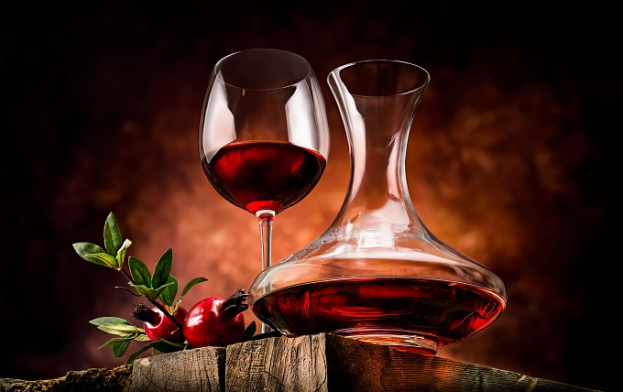
Since ancient times, the pomegranate has been considered a sacred symbol of fertility and prosperity. Moreover, for many centuries, peoples all over the world have used pomegranate as a remedy for various diseases. Some of these peoples have mastered the art of making a delicious drink known as “pomegranate wine.” Among them were the Armenians, who are now primarily associated with this wine. Subsequently, the wine turned out to be so distinctive and memorable that it was separated from other fruit wines and now exists and is perceived almost as a separate category of wine.
NEWS.am STYLE wine columnist Liana Aghajanian will introduce you to the technology and peculiarities of making pomegranate wine, as well as tell you which wines of this category are definitely worth trying.
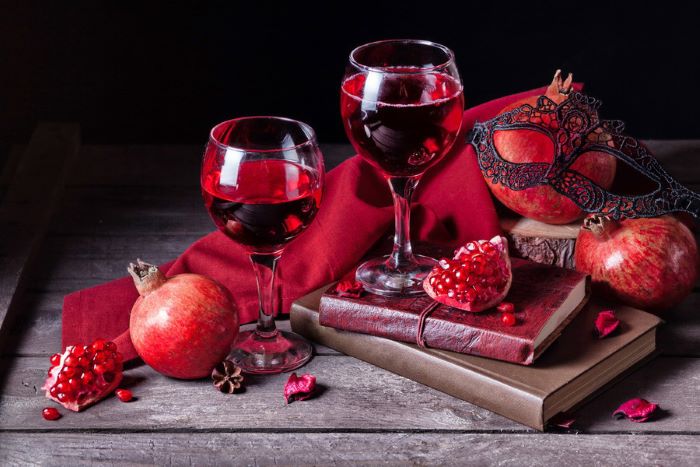
First of all, it is worth noting that not all pomegranates are equally good for winemaking; the fruit must be juicy enough, as well as retain a high level of sugar and acidity. Some of the best and oldest plantings of pomegranate trees are around the Armenian town of Meghri in the south of Syunik Province. The name of this town can be translated as "honey," perhaps referring to the sweetness of the pomegranates that have been growing in this region for thousands of years. As with regular grape wine, the pomegranate fruit is crushed, pressed, and then fermented. The most important thing here is not to damage the skin of the pomegranate when crushing it. Otherwise, its bitterness will pass into the juice. Fermentation is usually stopped by cooling the tanks in order to preserve some of the natural sugar and to achieve that pleasant gentle sweetness for which pomegranate wine is famous. Fermentation is interrupted after about a month—as soon as the alcohol content reaches 6-7%.
There is an opinion that pomegranate wine is good for health. And for good reason, as the pomegranate itself is full of nutrients; it has a high content of vitamins C and K, folic acid, and potassium. In fact, scientists have proven that pomegranate wine contains three times more antioxidants than red wine or even green tea. These antioxidants have strong anti-aging effects, help improve skin health, and lower cholesterol. In other words, people have justification for calling pomegranate wine not only delicious, but also healthy.
And now to the practical part: how and with what to drink pomegranate wine?
Pomegranate wine should be drunk in accordance with the tradition of drinking semi-sweet and fortified wines: chilled, and it can be combined with almost any dishes, as it has enough completeness to resist the bright taste of spices, and at the same time its elegant sweetness and juicy freshness emphasize and do not overpower the taste of food.
Voskevaz Pomegranate
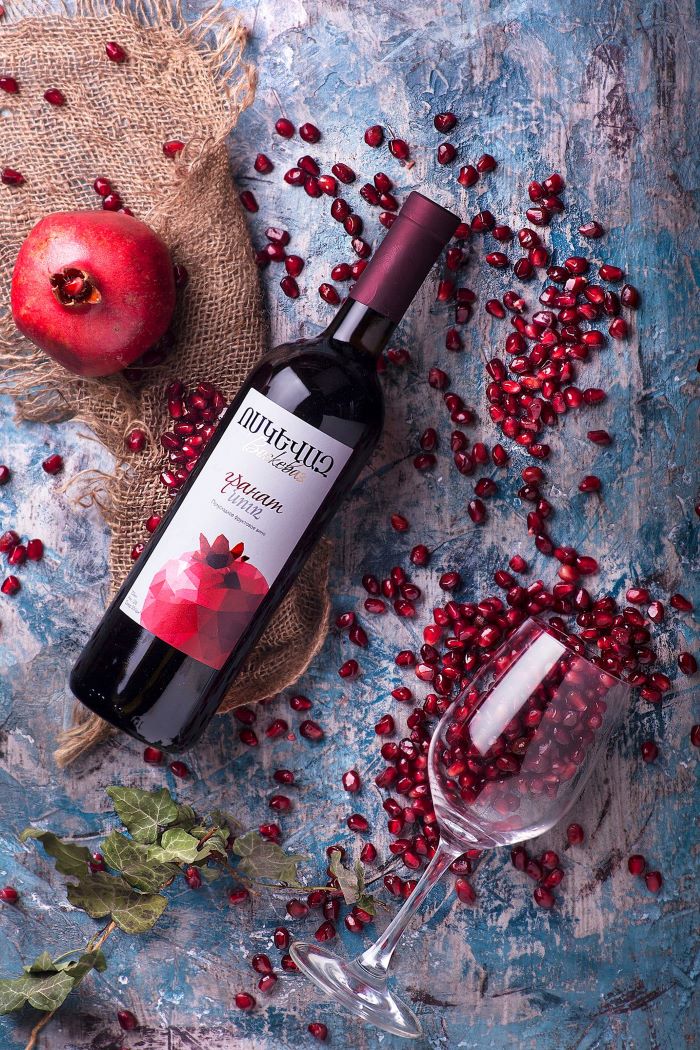
Probably one of the most famous Armenian pomegranate wines, especially popular among tourists who hunt for fruit semi-sweet wines of Armenia. It is made from selected, ripe, and fragrant pomegranate fruits that grow in Aragatsotn Province. Its flavor is intense; some even note a piquant sharpness in the mouth after the first sip, and the aftertaste is pleasantly lingering with notes of chocolate.
Akoom Pomegranate Semi-Sweet
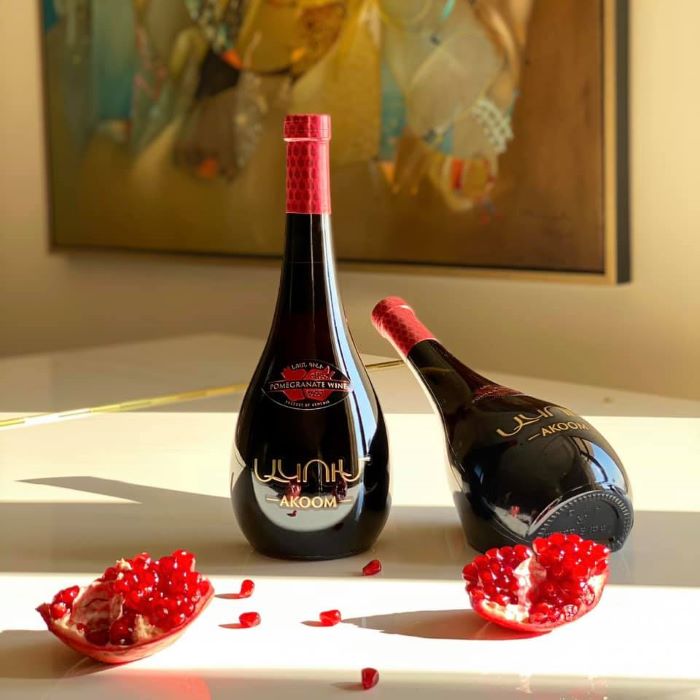
A wine from the Mijnaberd brand, which is famous for its premium distillates. This wine has not very deep color of pomegranate juice, bright aroma of fruits and cherries, and the taste has tartness of rind and sourness of grains. The aftertaste is sour with a light heavy sweetness. It will appeal to those who do not like sweetness, but prefer a slight bitterness and astringent sensation in the mouth.
Gevorkian "Meghri" Pomegranate Reserve
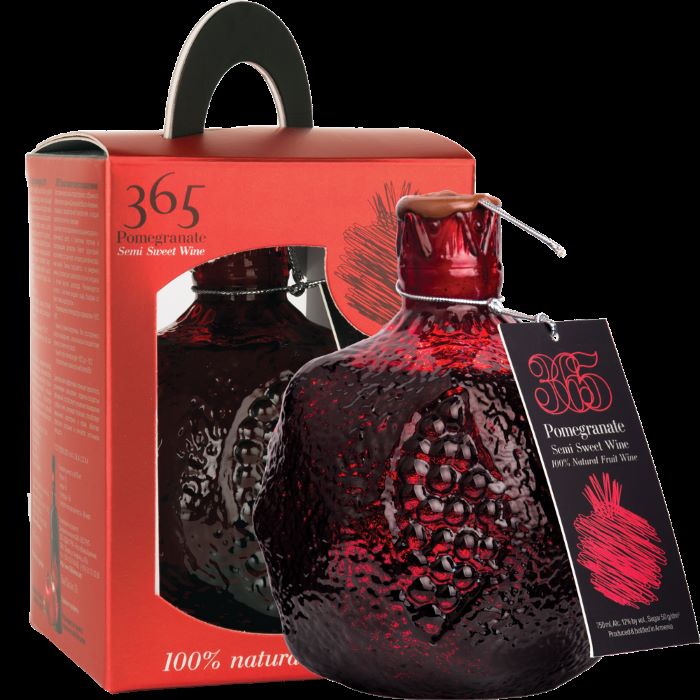
This is a bright and probably the most powerful Armenian pomegranate wine made by Gevorkian Winery winemakers using a unique technology. This wine is made by using ripe pomegranates that grow under the scorching sun in the gardens of Meghri town. During the production process the pomegranate juice is fermented at a temperature of 15-16 ºC. Then the wine is aged in Karabakh oak barrels for 6 months. The color of the wine is deep, reminiscent of brandy, the aroma may seem a bit harsh, but the taste has soft velvety tannins, with light acidity and bitterness of pomegranate peel.
By Liana Aghajanian
Follow NEWS.am STYLE on Facebook, Twitter and Instagram

- I’m Always Excited to Explore My Roots: Krikor Jabotian on Armenian Fashion and His Collaboration with Armine Harutyunyan Admiring the pieces on display, Jabotian took a moment to speak with NEWS.am STYLE about Armenia’s evolving fashion scene, his connection to his ancestral homeland and his collaboration with Armenian model Armine Harutyunyan…
- «When You Step Into an Aircraft, It Doesn’t Ask Whether You’re a Man or a Woman»: Pilot and Composer Narine Melkumyan Today, alongside her independent work as a flight instructor, Narine also represents Italian aircraft manufacturer Tecnam in the Netherlands through the British company Oriens Aviation. Her responsibilities include developing sales, expanding the brand’s presence in the Dutch market, and conducting demonstration flights in new Tecnam aircraft models...
- Michelin Guide Scandal: Prestigious Restaurant Guide Accused of Using AI to Write Reviews The prestigious Michelin Guide has found itself at the center of a controversy following an investigation by American magazine D Magazine. The publication alleges that artificial intelligence may have written most, if not all, of the new reviews of Dallas restaurants featured in the guide’s 2026 edition. Michelin has denied the allegations...
- Rolex Instead of Gold: Why Billionaires Are Investing in Watches, Rubies, and Klimt Paintings The world’s wealthiest families are increasingly putting their money into luxury collectibles, from Rolex watches and gemstone jewelry to works of art. For them, these assets offer not only a way to protect wealth against inflation and market turmoil, but also an opportunity to signal status. However, experts warn that not every expensive item makes a profitable investment, Fortune reports...
- “It’s Not a Catastrophe”: LVMH Heir Explains Why Luxury Brands Shouldn’t Panic Over the Crisis In an interview excerpt published by FashionNetwork, Arnault emphasized that the group’s strategy is built on patience, a forward-looking mindset, and working with the best talent. “Our strategy is to look ahead, remain patient, and work with the best talent,” he said...




-
15:30, October 18
I’m Always Excited to Explore My Roots: Krikor Jabotian on Armenian Fashion and His Collaboration with Armine Harutyunyan -
19:28, October 17
«When You Step Into an Aircraft, It Doesn’t Ask Whether You’re a Man or a Woman»: Pilot and Composer Narine Melkumyan -
18:18, October 17
Michelin Guide Scandal: Prestigious Restaurant Guide Accused of Using AI to Write Reviews -
17:32, October 17
Rolex Instead of Gold: Why Billionaires Are Investing in Watches, Rubies, and Klimt Paintings -
16:04, October 17
“It’s Not a Catastrophe”: LVMH Heir Explains Why Luxury Brands Shouldn’t Panic Over the Crisis -
15:29, October 17
Cher Reveals the Secret Behind Her Legendary “Naked” Met Gala Dress -
14:11, October 17
Michael Douglas Recalls Danny DeVito Swallowing All Their Joints When Police Pulled Them Over -
13:22, October 17
“You’ve Humiliated Me!” Meghan Markle Cut Ties With Designer Over Kate Middleton Blunder -
12:17, October 17
Kim Kardashian Celebrates 46th Birthday in a Dress Made Almost Entirely of Strings -
11:50, October 17
“She Showed Photos of Penises and Bragged About Her Lovers”: Scandal Surrounding Former US Ambassador to Greece Deepens -
11:12, October 17
Mike Tyson Spends Thousands on Perfume, With Each Bottle Costing Up to $6,000 -
10:30, October 17
Billionaire Heiress Spends Up to $60,000 a Year on Beauty, Including Botox Since Age 23 and $500 Manicures
All materials

@NEWSam_STYLE
@NEWSam_STYLE
- Archive