


NEWS.am STYLE

NEWS.am STYLE

NEWS.am STYLE

NEWS.am STYLE

NEWS.am STYLE
NEWS.am STYLE

NEWS.am STYLE

NEWS.am STYLE
NEWS.am STYLE

The 23rd "Golden Apricot" Yerevan International Film Festival has kicked off

NEWS.am STYLE

NEWS.am STYLE

NEWS.am STYLE

NEWS.am STYLE

Nikos Vertis to perform in Armenia for the 3rd time at the invitation of “ACVA BUILDINGS”
NEWS.am STYLE

NEWS.am STYLE
NEWS.am STYLE



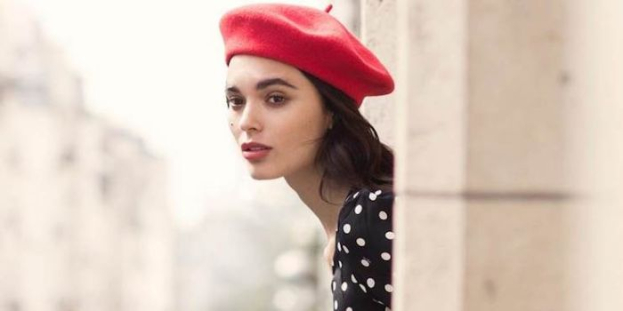
More and more young women in France no longer identify as heterosexual
"Bisexual, but homoromantic."
"I’m in a relationship with a girl, but I don’t define myself as a lesbian."
"I just say I’m gay — it’s the word our generation loves."
These are just a few of the ways that young women in France are describing their sexuality today. According to a new study published in Le Monde, increasing numbers of young French women are rejecting traditional heterosexual labels — signaling a major shift in how sexuality is understood and expressed among Gen Z.
The Research: Shifting Definitions of Desire
The findings come from the book La Sexualité qui vient ("The Sexuality of the Future"), by sociologist Marie Bergström of France's National Institute of Demographic Research (INED). The data reveals a striking trend:
-
19% of women aged 18–29 do not identify as heterosexual.
-
Among men in the same age group, that figure is 8%.
-
Among young women, this proportion has increased fivefold since 2015.
This isn’t just about changes in behavior — it’s about changes in identity. Many of the participants have not yet had same-sex partners, but still describe themselves as bisexual, pansexual, or fluid. The trend points to an expanding understanding of sexuality as non-fixed, exploratory, and open to reinterpretation.
Labels Beyond Labels: The Rise of Bisexuality and Pansexuality
The growth in women identifying as bisexual or pansexual is particularly noteworthy. These identities are often less about fixed attraction to one gender and more about a spectrum of possibilities. Sociologist Wilfried Rault, co-author of an article in Population & Sociétés, notes that this evolution reflects a broader cultural shift away from binary ideas of attraction:
“Many young people haven’t had same-sex experiences yet still don’t identify as heterosexual. It’s not just about desire, but about keeping the field of possibilities open.”
The Feminist Factor: Identity, Agency, and Politics
Researchers believe that feminism — particularly in its current, intersectional and post-#MeToo form — is deeply intertwined with this rethinking of sexual identity. According to Rault, bisexual and pansexual women are more likely to identify as feminists. This creates a feedback loop: feminist values inspire a more critical examination of sexuality, while queer identities often align with feminist ideals of agency, equality, and self-definition.
The growing distance from heterosexual norms may also reflect a cultural reaction to male-dominated dynamics in traditional relationships. Some sociologists see this as part of a broader push by young women toward autonomy — not only in their romantic lives, but in how they conceptualize desire, intimacy, and selfhood.
A Generational Shift — and a Broader Cultural Conversation
France, like many Western societies, is witnessing a generational reimagining of gender and sexuality. While older generations often saw sexual identity as something discovered, younger people are more likely to view it as constructed, evolving, and fluid.
This shift doesn’t mean traditional labels are obsolete — but it does suggest they’re no longer the only options. For a growing number of young French women, being queer isn’t just about who you’re with — it’s about how you see the world and your place in it.
Follow NEWS.am STYLE on Facebook, Twitter and Instagram

- Viral ‘Husband Application’ Sends Social Media Into a Frenzy as 36-Year-Old American Gets 241 Suitor Submissions Most people turn to dating apps in search of love. Arin Patterson decided to take things a step further — and opened a job posting, the New York Post reports...
- ‘The Bathroom Is Their Secret Weapon’: Divorce Expert Claims Men Use Long Toilet Breaks to Escape Family Life A divorce expert has stirred up the never-ending “battle of the sexes” by claiming that men have supposedly turned trips to the bathroom into a kind of escape route from family responsibilities...
- British Scientists Discover Why Men Who Are Too Generous May Put Women Off British scientists have once again tackled one of life’s most pressing questions: what exactly gets in the way of building a successful relationship? This time, they turned their attention to men who are especially generous with charitable donations...
- Three Berlin men are ‘marrying’ each other — but there’s no sex: “We just love each other” They live together, but they aren’t a couple. They wear wedding rings, but have no plans to have sex. And now they have decided to get married. Three friends from Berlin — Karam Nwilati, Kristian Naydenov and Santeri Lehtonen — have made friendship the central partnership of their lives, The Independent reports...
- “Mercy Sex”: Shocking Study Reveals Why Women Have Sex With Men Even When They Don’t Want To Women who feel little or no sexual desire may still have sex two or three times a month — in some cases, to preserve their relationships and prevent their partners from leaving, researchers have found. Sometimes intimacy has little to do with passion...




-
15:30, October 18
I’m Always Excited to Explore My Roots: Krikor Jabotian on Armenian Fashion and His Collaboration with Armine Harutyunyan -
19:28, October 17
«When You Step Into an Aircraft, It Doesn’t Ask Whether You’re a Man or a Woman»: Pilot and Composer Narine Melkumyan -
18:18, October 17
Michelin Guide Scandal: Prestigious Restaurant Guide Accused of Using AI to Write Reviews -
17:32, October 17
Rolex Instead of Gold: Why Billionaires Are Investing in Watches, Rubies, and Klimt Paintings -
16:04, October 17
“It’s Not a Catastrophe”: LVMH Heir Explains Why Luxury Brands Shouldn’t Panic Over the Crisis -
15:29, October 17
Cher Reveals the Secret Behind Her Legendary “Naked” Met Gala Dress -
14:11, October 17
Michael Douglas Recalls Danny DeVito Swallowing All Their Joints When Police Pulled Them Over -
13:22, October 17
“You’ve Humiliated Me!” Meghan Markle Cut Ties With Designer Over Kate Middleton Blunder -
12:17, October 17
Kim Kardashian Celebrates 46th Birthday in a Dress Made Almost Entirely of Strings -
11:50, October 17
“She Showed Photos of Penises and Bragged About Her Lovers”: Scandal Surrounding Former US Ambassador to Greece Deepens -
11:12, October 17
Mike Tyson Spends Thousands on Perfume, With Each Bottle Costing Up to $6,000 -
10:30, October 17
Billionaire Heiress Spends Up to $60,000 a Year on Beauty, Including Botox Since Age 23 and $500 Manicures
All materials

@NEWSam_STYLE
@NEWSam_STYLE
- Archive