



NEWS.am STYLE

NEWS.am STYLE

NEWS.am STYLE

NEWS.am STYLE

NEWS.am STYLE

NEWS.am STYLE

NEWS.am STYLE

NEWS.am STYLE

NEWS.am STYLE

The 23rd "Golden Apricot" Yerevan International Film Festival has kicked off

NEWS.am STYLE

NEWS.am STYLE

NEWS.am STYLE

NEWS.am STYLE

Nikos Vertis to perform in Armenia for the 3rd time at the invitation of “ACVA BUILDINGS”

NEWS.am STYLE

NEWS.am STYLE

NEWS.am STYLE


Microplastics found in human eggs and sperm, raising fertility concerns
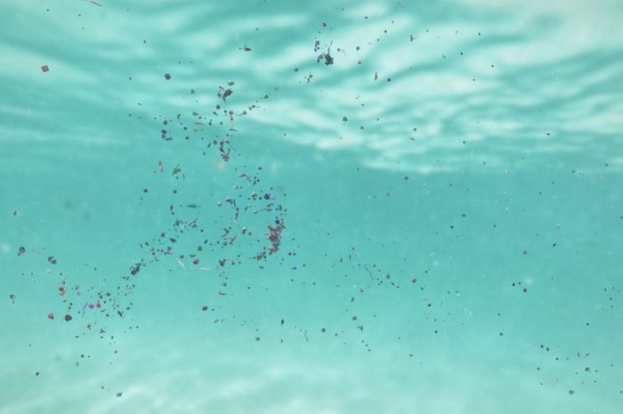
Microplastics have already been detected in human lungs, liver, kidneys, blood, and even the brain. Now, new research published in the journal Human Reproduction reveals that these tiny particles have also made their way into the reproductive system.
For the first time, scientists have discovered microplastics in both sperm and ovarian follicular fluid, sparking serious concerns about the potential impact on reproductive health and fertility for future generations.
The study analyzed follicular fluid from 29 women and semen samples from 22 men. Microplastics were found in 55% of the sperm samples and 69% of the follicular fluid samples.
“We already knew that microplastics accumulate in various human organs,” said lead researcher Dr. Emilio Gomez-Sanchez at the annual meeting of the European Society of Human Reproduction and Embryology. “So the fact that they are present in reproductive fluids wasn’t surprising, but what struck us was how widespread this phenomenon is.”
The most common type of microplastic detected in sperm was PTFE—better known as Teflon—found in 41% of samples. Other common plastics included polystyrene (similar to Styrofoam) at 14%, polyethylene terephthalate (a type of polyester) at 9%, polyamide (nylon) at 5%, and polyurethane (used in coatings and foams) at 5%.
While the exact effects of microplastics on human reproductive health remain unclear, animal studies suggest potential risks. “In tissues where microplastics accumulate, inflammation, oxidative stress, DNA damage, cellular aging, and endocrine disruption can occur,” explained Gomez-Sanchez. “This likely impairs the quality of eggs and sperm, but we don’t yet have enough data to confirm this in humans.”
Despite these alarming findings, the scientist urges calm: “It’s too early to panic. Microplastics are just one of many factors that may influence fertility,” he said. “However, it’s wise to take steps to reduce exposure—such as storing and heating food in glass containers and limiting the use of plastic water bottles.”
Separately, an Italian research team recently found microplastics in the ovarian follicular fluid of 14 out of 18 women in their study. Lead author Luigi Montano described the findings as “very concerning,” noting that previous research from his group linked microplastic presence to decreased sperm quantity and quality.
Earlier studies have also detected microplastics in the uterus, placenta, and even testicles—sometimes at surprisingly high concentrations.
Humans are exposed to microplastics mainly through inhalation of airborne particles and consumption of contaminated food.
Unfortunately, microplastics are everywhere. Estimates suggest that between 10 and 40 million tons enter the environment annually. On average, a person ingests about 5 grams of microplastics per week—that’s roughly the weight of a spoonful of soup. Over a year, that adds up to around 250 grams, essentially a “whole plate of plastic” entering the body.
Follow NEWS.am STYLE on Facebook, Twitter and Instagram

- Diet Soda or Water: Study Reveals Which Drink Is More Effective for Weight Loss Sugar-free soft drinks may be just as effective as plain water for weight loss, according to researchers at the University of Liverpool in the UK. Their conclusion is based on a two-year randomized trial involving nearly 500 people who were overweight or living with obesity...
- Your Smartphone Could Be Stealing Years of Your Life: Scientists Warn of the Consequences of Endless Scrolling Spending hours scrolling through social media may have far more serious consequences for health than previously thought. According to a major scientific review, excessive screen use is linked to millions of years of life lived with mental health disorders...
- Popular Weight-Loss Drugs Could Deprive the Brain of Energy, Expert Warns As GLP-1 weight-loss drugs, including Ozempic and Wegovy, continue to surge in popularity, experts are warning that losing weight too quickly and severely restricting calorie intake could deprive the brain of essential energy and nutrients...
- Just Two Spoonfuls a Day: Scientists Find an Unexpected Link Between Tomatoes and Memory A diet rich in fruits and vegetables has long been associated with better memory. Now, Spanish scientists have identified another potential link: ordinary tomatoes may influence brain function — and the key could be lycopene, a powerful antioxidant...
- Your Breasts Are Paying the Price for Your Favorite Bra: 5 Signs You’re Wearing the Wrong Size Taking off your bra after a long day is one of life’s little pleasures. But if you spend the entire day in pain or discomfort and literally count the hours until you can finally unhook it, the problem may be that you’re wearing the wrong size...




-
19:28, October 17
«When You Step Into an Aircraft, It Doesn’t Ask Whether You’re a Man or a Woman»: Pilot and Composer Narine Melkumyan -
18:18, October 17
Michelin Guide Scandal: Prestigious Restaurant Guide Accused of Using AI to Write Reviews -
17:32, October 17
Rolex Instead of Gold: Why Billionaires Are Investing in Watches, Rubies, and Klimt Paintings -
16:04, October 17
“It’s Not a Catastrophe”: LVMH Heir Explains Why Luxury Brands Shouldn’t Panic Over the Crisis -
15:29, October 17
Cher Reveals the Secret Behind Her Legendary “Naked” Met Gala Dress -
14:11, October 17
Michael Douglas Recalls Danny DeVito Swallowing All Their Joints When Police Pulled Them Over -
13:22, October 17
“You’ve Humiliated Me!” Meghan Markle Cut Ties With Designer Over Kate Middleton Blunder -
12:17, October 17
Kim Kardashian Celebrates 46th Birthday in a Dress Made Almost Entirely of Strings -
11:50, October 17
“She Showed Photos of Penises and Bragged About Her Lovers”: Scandal Surrounding Former US Ambassador to Greece Deepens -
11:12, October 17
Mike Tyson Spends Thousands on Perfume, With Each Bottle Costing Up to $6,000 -
10:30, October 17
Billionaire Heiress Spends Up to $60,000 a Year on Beauty, Including Botox Since Age 23 and $500 Manicures -
23:06, October 16
The First Woman to Paint Erotic Art: The Story of Renaissance Artist Lavinia Fontana
All materials

@NEWSam_STYLE
@NEWSam_STYLE
- Archive