



NEWS.am STYLE

NEWS.am STYLE

NEWS.am STYLE

NEWS.am STYLE

NEWS.am STYLE

NEWS.am STYLE

NEWS.am STYLE

NEWS.am STYLE

NEWS.am STYLE

The 23rd "Golden Apricot" Yerevan International Film Festival has kicked off

NEWS.am STYLE

NEWS.am STYLE

NEWS.am STYLE

NEWS.am STYLE

Nikos Vertis to perform in Armenia for the 3rd time at the invitation of “ACVA BUILDINGS”

NEWS.am STYLE

NEWS.am STYLE

NEWS.am STYLE


Menopause as a divorce catalyst
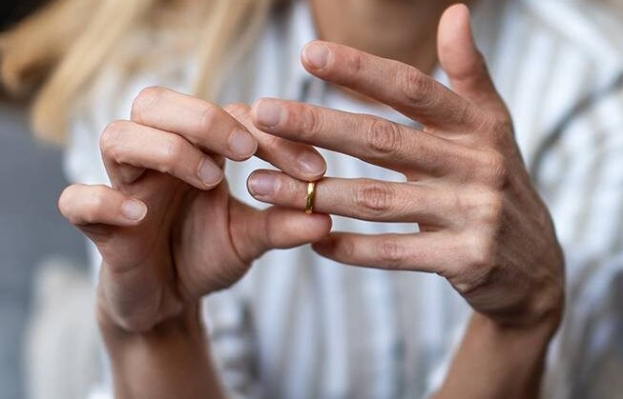
Menopause and perimenopause — the transitional period before menopause — are not only times of hormonal change but also pivotal moments in many women’s personal lives. While overall divorce rates have declined in recent decades, divorces among people over 50 continue to rise.
For some women, menopause strengthens relationships: they seek support from friends and develop a deeper understanding with their partners about what their bodies are experiencing. For others, this stage provides clarity and courage to end unhappy marriages.
Melissa McClure, a recently divorced woman, told USA Today that perimenopause changed her perspective on relationships. During hot flashes and sleepless nights, she became increasingly frustrated with her husband’s negativity. After 14 years of marriage, Melissa felt undervalued as a wife. This period helped her realize it was time to divorce.
"We spend our adult lives caring for partners and children, giving ourselves to others, and losing ourselves in the process," says the 44-year-old photographer. "This isn’t a midlife crisis — it’s a true awakening. I finally see clearly what I want from life, and that no longer includes him."
Many middle-aged women report similar experiences. Hormones shift, children grow up and leave home, parents age, careers peak — and personal life demands new decisions. Symptoms of perimenopause and menopause, including low libido and insomnia, are compounded by the emotional labor women often carry within families.
This phenomenon has led to the term “meno-divorce”. Many women acknowledge that hormonal changes made it impossible to tolerate what once seemed acceptable.
According to the Family Law Menopause Project and Newsom Health Research and Education, 7 out of 10 women identified perimenopause or menopause as a key factor in divorce. In 1990, roughly 1 in 10 divorces in the U.S. involved people over 50; by 2019, that number had risen to nearly a quarter.
"Our hormones help us care for others. When they start changing, resentment can build. Women have spent a long time taking care of everyone else — now it’s time to take care of themselves," explains Mandy Dixon, a midlife women’s therapist from Dallas.
Men often attribute divorces to “menopausal irrationality,” but experts say the clarity women gain during this period helps them make rational decisions.
Partner support can be crucial: joint doctor visits and open discussions about symptoms often help couples understand what’s happening and be more supportive of each other.
Follow NEWS.am STYLE on Facebook, Twitter and Instagram

- Viral ‘Husband Application’ Sends Social Media Into a Frenzy as 36-Year-Old American Gets 241 Suitor Submissions Most people turn to dating apps in search of love. Arin Patterson decided to take things a step further — and opened a job posting, the New York Post reports...
- ‘The Bathroom Is Their Secret Weapon’: Divorce Expert Claims Men Use Long Toilet Breaks to Escape Family Life A divorce expert has stirred up the never-ending “battle of the sexes” by claiming that men have supposedly turned trips to the bathroom into a kind of escape route from family responsibilities...
- British Scientists Discover Why Men Who Are Too Generous May Put Women Off British scientists have once again tackled one of life’s most pressing questions: what exactly gets in the way of building a successful relationship? This time, they turned their attention to men who are especially generous with charitable donations...
- Three Berlin men are ‘marrying’ each other — but there’s no sex: “We just love each other” They live together, but they aren’t a couple. They wear wedding rings, but have no plans to have sex. And now they have decided to get married. Three friends from Berlin — Karam Nwilati, Kristian Naydenov and Santeri Lehtonen — have made friendship the central partnership of their lives, The Independent reports...
- “Mercy Sex”: Shocking Study Reveals Why Women Have Sex With Men Even When They Don’t Want To Women who feel little or no sexual desire may still have sex two or three times a month — in some cases, to preserve their relationships and prevent their partners from leaving, researchers have found. Sometimes intimacy has little to do with passion...




-
19:28, October 17
«When You Step Into an Aircraft, It Doesn’t Ask Whether You’re a Man or a Woman»: Pilot and Composer Narine Melkumyan -
18:18, October 17
Michelin Guide Scandal: Prestigious Restaurant Guide Accused of Using AI to Write Reviews -
17:32, October 17
Rolex Instead of Gold: Why Billionaires Are Investing in Watches, Rubies, and Klimt Paintings -
16:04, October 17
“It’s Not a Catastrophe”: LVMH Heir Explains Why Luxury Brands Shouldn’t Panic Over the Crisis -
15:29, October 17
Cher Reveals the Secret Behind Her Legendary “Naked” Met Gala Dress -
14:11, October 17
Michael Douglas Recalls Danny DeVito Swallowing All Their Joints When Police Pulled Them Over -
13:22, October 17
“You’ve Humiliated Me!” Meghan Markle Cut Ties With Designer Over Kate Middleton Blunder -
12:17, October 17
Kim Kardashian Celebrates 46th Birthday in a Dress Made Almost Entirely of Strings -
11:50, October 17
“She Showed Photos of Penises and Bragged About Her Lovers”: Scandal Surrounding Former US Ambassador to Greece Deepens -
11:12, October 17
Mike Tyson Spends Thousands on Perfume, With Each Bottle Costing Up to $6,000 -
10:30, October 17
Billionaire Heiress Spends Up to $60,000 a Year on Beauty, Including Botox Since Age 23 and $500 Manicures -
23:06, October 16
The First Woman to Paint Erotic Art: The Story of Renaissance Artist Lavinia Fontana
All materials

@NEWSam_STYLE
@NEWSam_STYLE
- Archive