


NEWS.am STYLE

NEWS.am STYLE

NEWS.am STYLE

How Nare was welcomed at Zvartnots Airport after winning the Junior Eurovision Song Contest: the singer's emotions

NEWS.am STYLE
NEWS.am STYLE
NEWS.am STYLE

NEWS.am STYLE

NEWS.am STYLE

NEWS.am STYLE
NEWS.am STYLE

NEWS.am STYLE
NEWS.am STYLE

NEWS.am STYLE
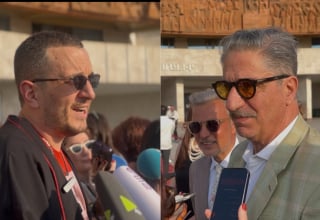
The 23rd "Golden Apricot" Yerevan International Film Festival has kicked off
NEWS.am STYLE
NEWS.am STYLE

NEWS.am STYLE


Armenian Heritage in the World of Luxury: From Petrossian Caviar to a Schiaparelli Sweater
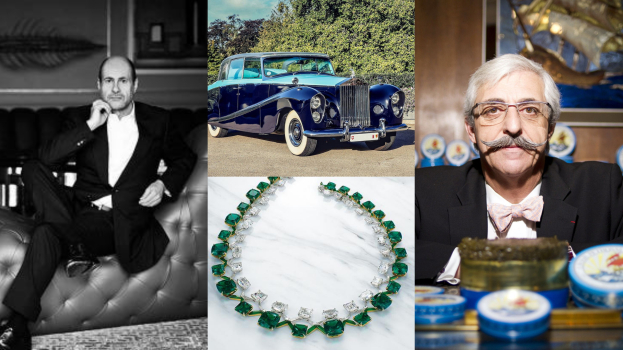
From Petrossian black caviar and Serapian handbags made in Milan to Boghossian diamonds in Geneva, bespoke Rolls-Royces commissioned by an oil heir and jewelry favored by Hollywood stars, Armenian names have long been woven into the fabric of the luxury industry. Behind some are family empires; behind others, creations that have become part of fashion and automotive history.
The world of luxury is accustomed to speaking the language of French fashion houses, Italian craftsmanship and Swiss precision. Yet many of its most remarkable stories are linked to names that are more familiar in international business and high society circles than they are in Armenia itself.
Caviar That Became a Parisian Legend: Petrossian
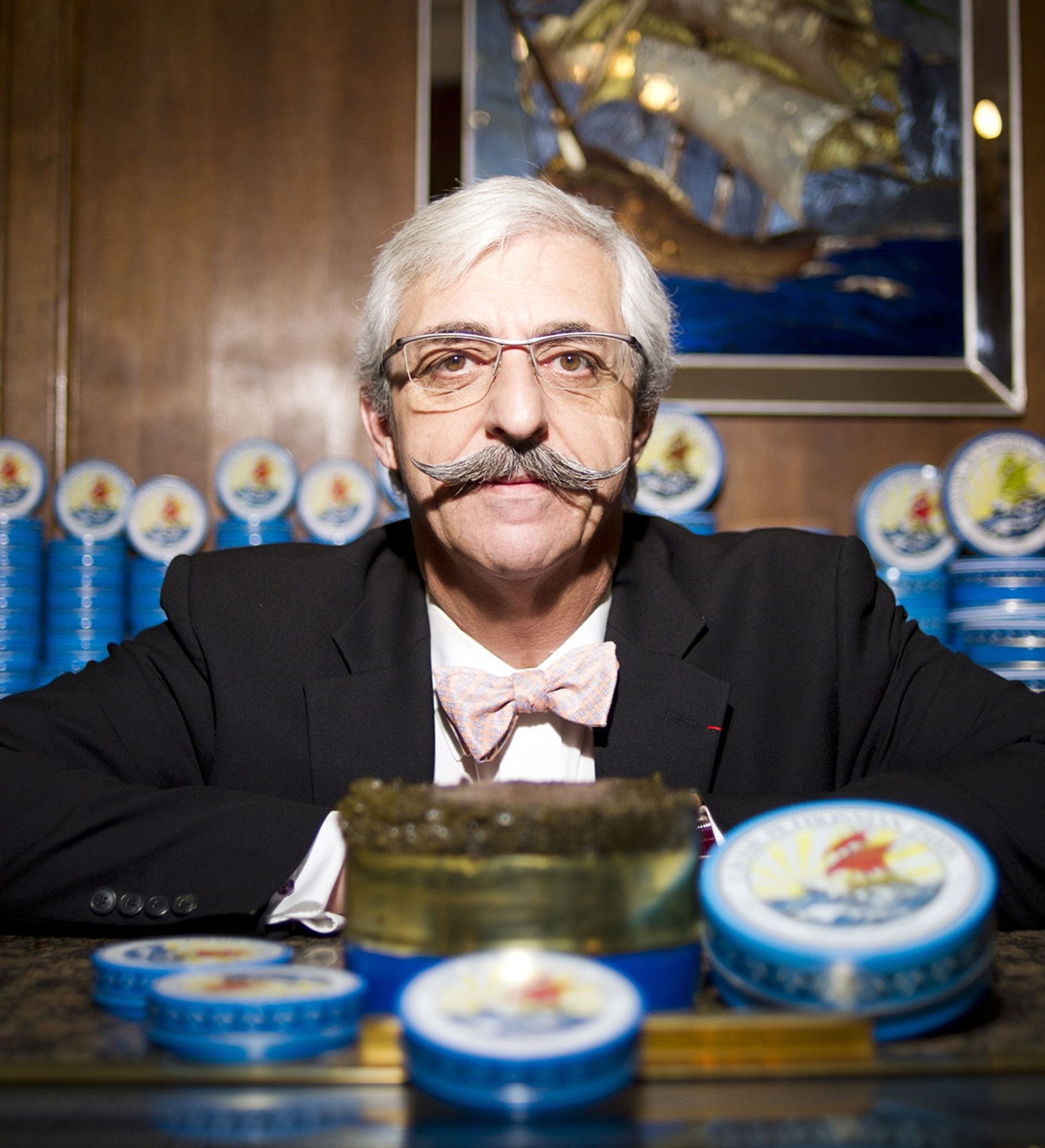
Served in the finest restaurants and sold in the most prestigious gourmet boutiques, Petrossian caviar has become synonymous with luxury. The story began in 1920, when brothers Melkoum and Mouchegh Petrossian, who came from an Armenian family in the Caucasus, a region with a long tradition of caviar consumption, opened a small shop on Boulevard de La Tour-Maubourg in Paris. At the time, Parisians had yet to embrace caviar as part of their culinary culture. Diplomats, writers, artists and members of high society soon turned the shop into a local landmark. In the 1970s, the brand expanded into the American market, opening its New York restaurant in 1984.
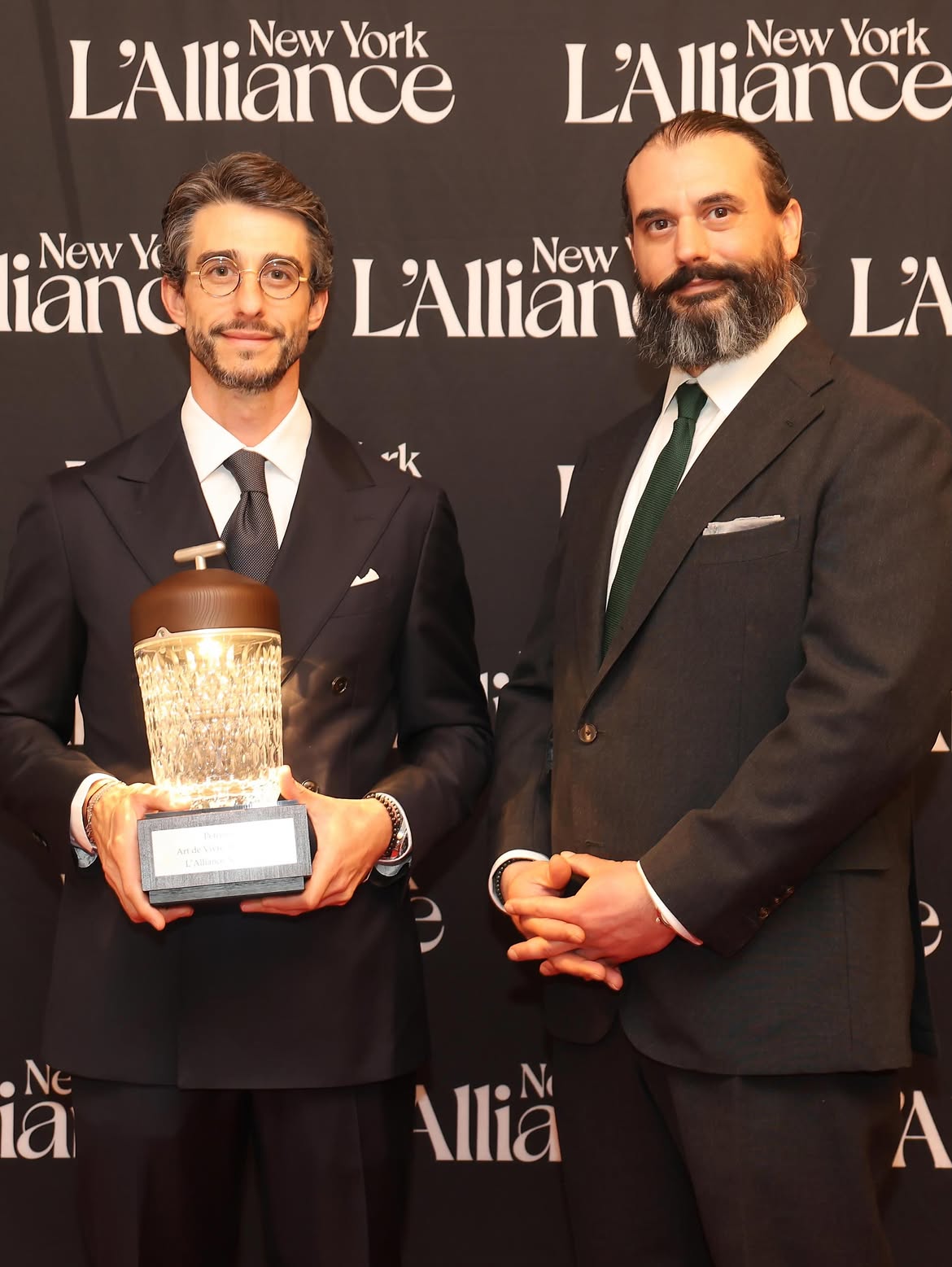
A new chapter began in 1994, when Armen Petrossian, Mouchegh's son, took the helm of the company. The caviar industry was facing a crisis as wild sturgeon populations declined, and Armen turned to aquaculture and controlled farming. The company also introduced new ways to serve caviar, including Fleur de Caviar and Caviarcube. Today, the family business is carried on by Armen's sons, Alexandre and Mikael.
Milanese Luxury with an Armenian Name: Serapian
Hermès, Bottega Veneta and Delvaux are household names. Serapian, by contrast, is a label for those who value fine leather and craftsmanship over prominent logos.
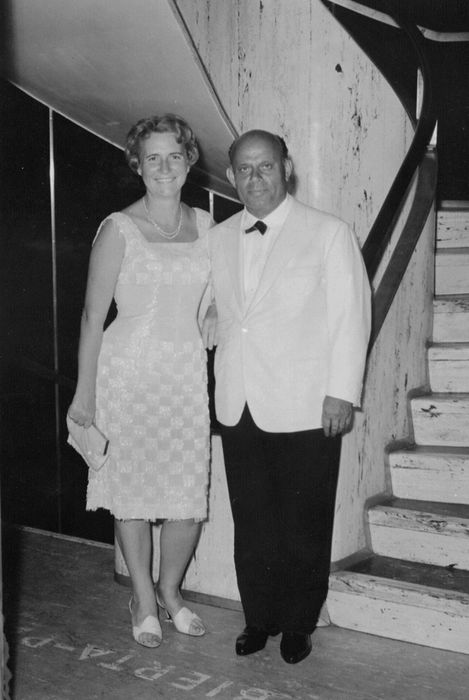
Its founder, Stefano Serapian, was born into an Armenian family and moved to Milan in the early 1920s. From 1928, he produced leather goods under his own name. In 1945, he and his wife, Gina Flori, opened a workshop in the heart of the city, specializing in bespoke commissions.
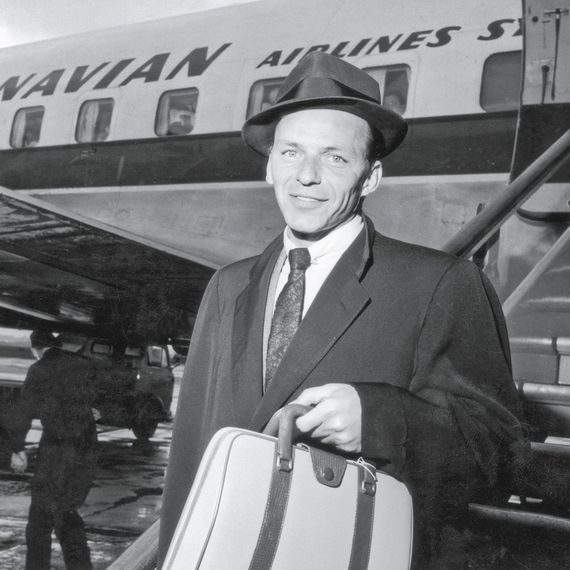
The house's signature technique is Mosaico, developed in 1947. Thin strips of supple nappa leather are woven together by hand to create a mosaic-like texture. This is not embossing: the surface of each piece is literally woven. In 2017, Serapian joined the Richemont portfolio, alongside Cartier and Van Cleef & Arpels. The contrast is striking: an immigrant who started out in a small Milanese workshop eventually found his brand among the biggest names in the luxury industry.
Six Generations of Jewelers: Boghossian
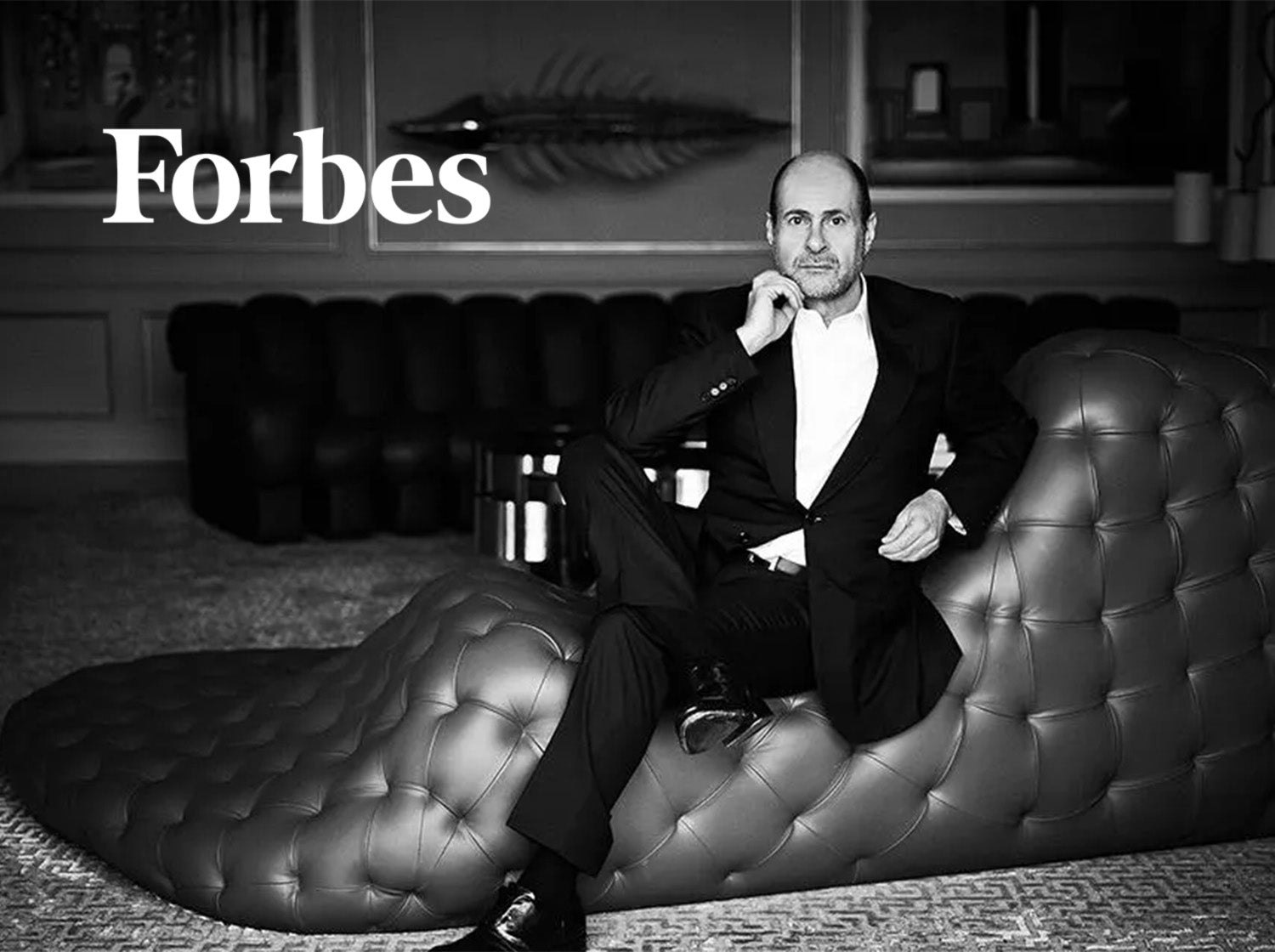
In Geneva, the value of a piece of jewelry is determined not only by its carat weight, but also by the provenance of its stones, the complexity of its setting and the reputation of the house behind it. This is where Boghossian, a family-owned high jewelry maison with a history spanning more than a century and a half, has made its mark.
In 1868, Hovhannes Boghossian began working with gemstones along the historic Silk Road. The family business passed through Madin, Aleppo, Beirut and Antwerp before eventually establishing itself in Geneva. Today, the house creates jewelry featuring rare colored gemstones and innovative setting techniques. Its Art of Inlay technique places one stone inside another, while Kissing brings contrasting stones together without the use of a metal setting.
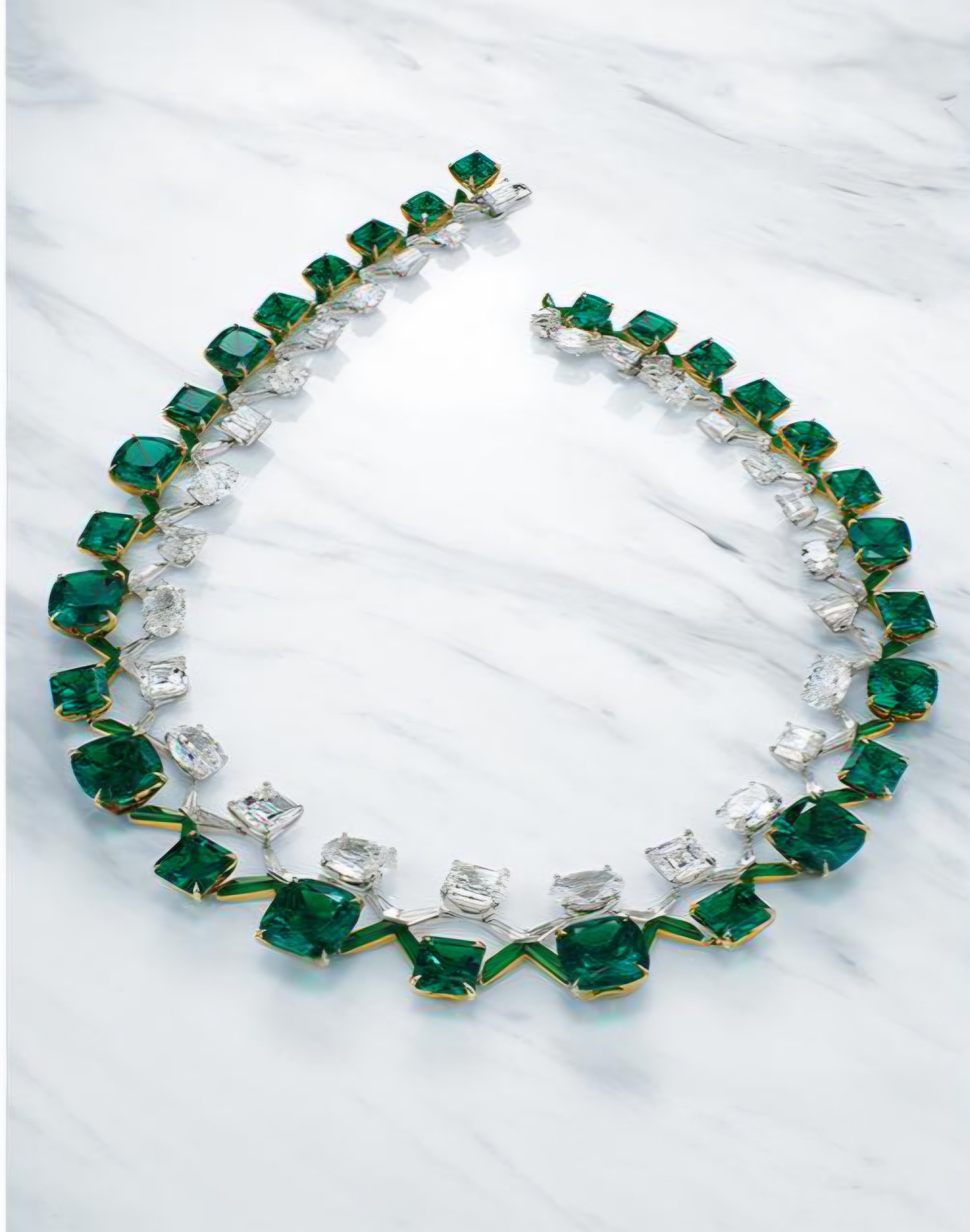
The house is led by Albert Boghossian, a member of the fifth generation of the family. His nephews, Roberto and Ralph, as well as members of the sixth generation, are also involved in the business. No two pieces are alike: each creation is designed around the individual gemstones.
Swiss Precision with an Armenian Spirit: Vartan Sirmakes and Franck Muller
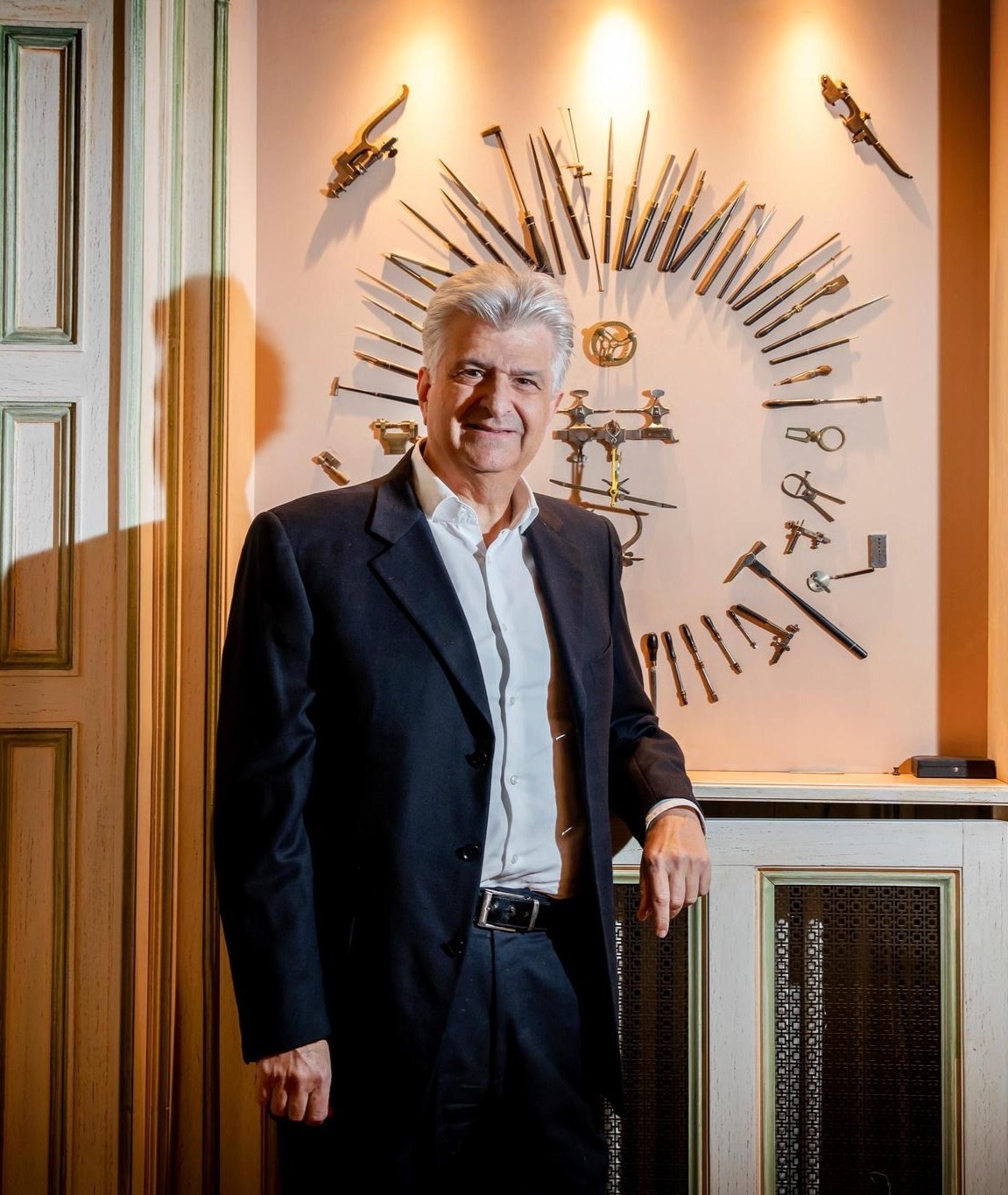
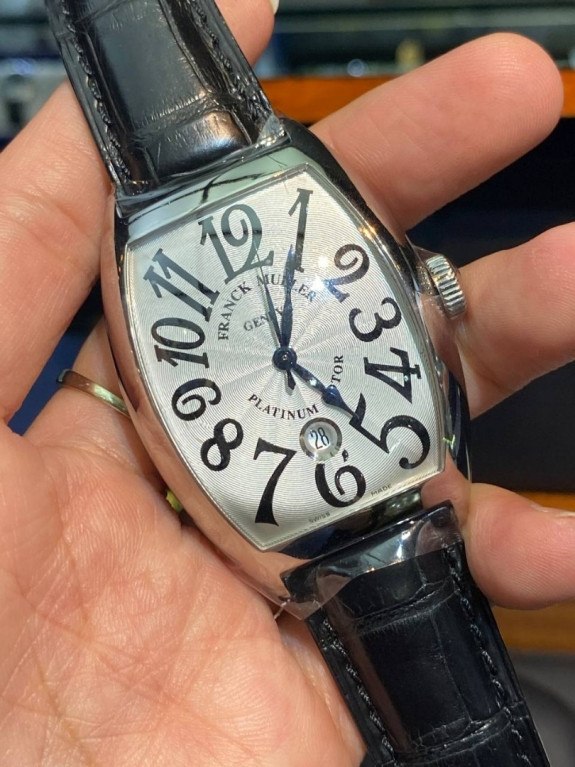
Franck Muller sells more than mechanical precision; it sells character. Curved cases, oversized numerals, bold colors and complicated movements have become hallmarks of the brand. Behind its success is the partnership between watchmaker Franck Muller and entrepreneur Vartan Sirmakes.
Sirmakes was born in Constantinople into a family of Armenian jewelers. At 18, he moved to Geneva, trained in gemstone setting and opened his own workshop, whose clients included Ebel and Cartier. His work with jewelry led him to watch cases and bracelets, and ultimately to his meeting with Muller.
In 1991, the two founded the company that would become the Franck Muller Group. Its flagship model was the Cintrée Curvex, featuring a case designed to follow the curve of the wrist. Sirmakes became one of the group's key executives, building his career from a small Geneva workshop to the leadership of an international watchmaking business.
A Rolls-Royce on His Own Terms: Nubar Gulbenkian
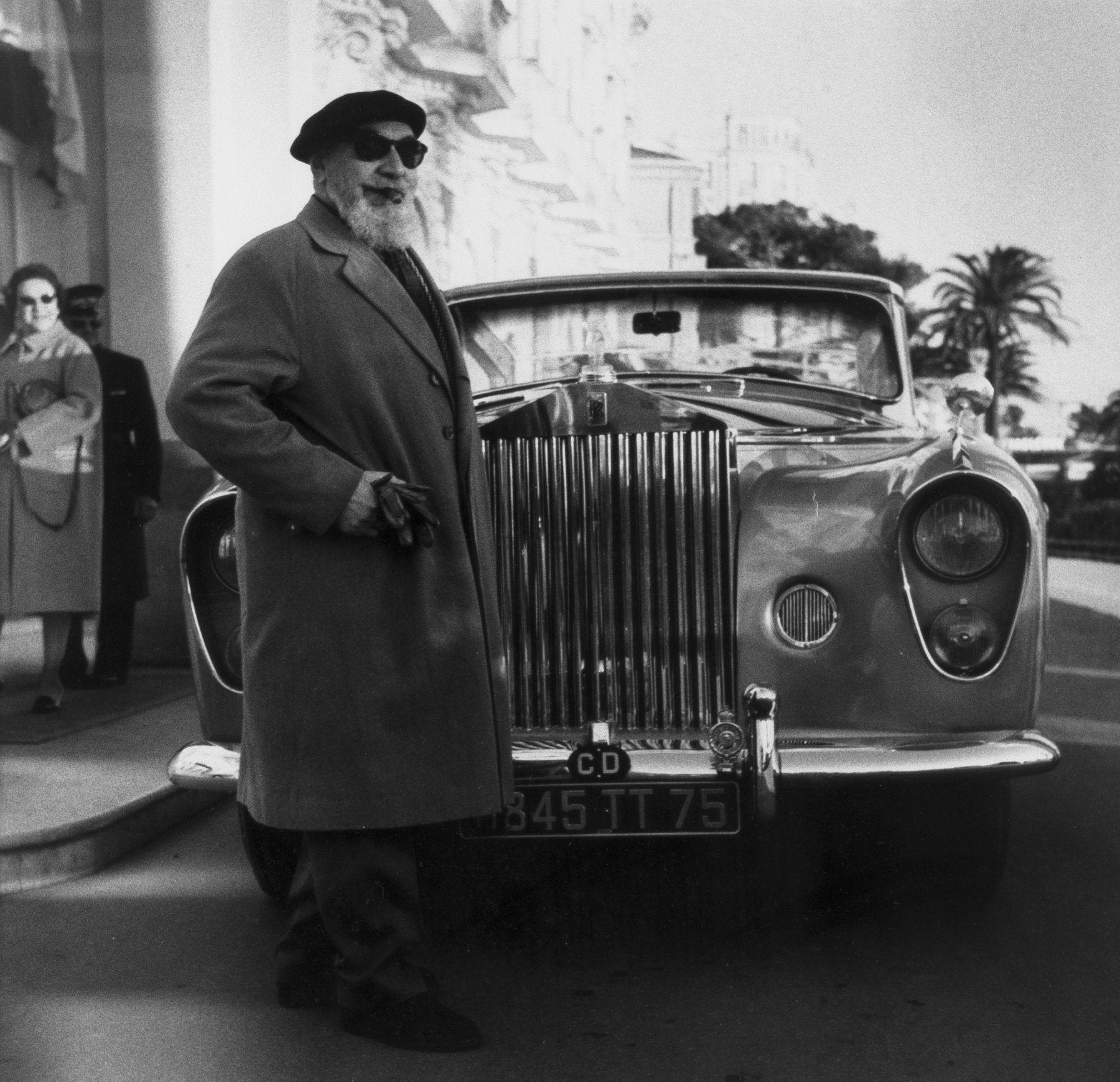
Most wealthy people chose their cars from a catalogue. Nubar Gulbenkian started with his own sketches. The son of oil magnate Calouste Gulbenkian, known as "Mr. Five Percent," he was born in Constantinople in 1896, inherited an immense fortune and became famous for his extravagance, wit and particular devotion to comfort. Standard specifications held little appeal for him.
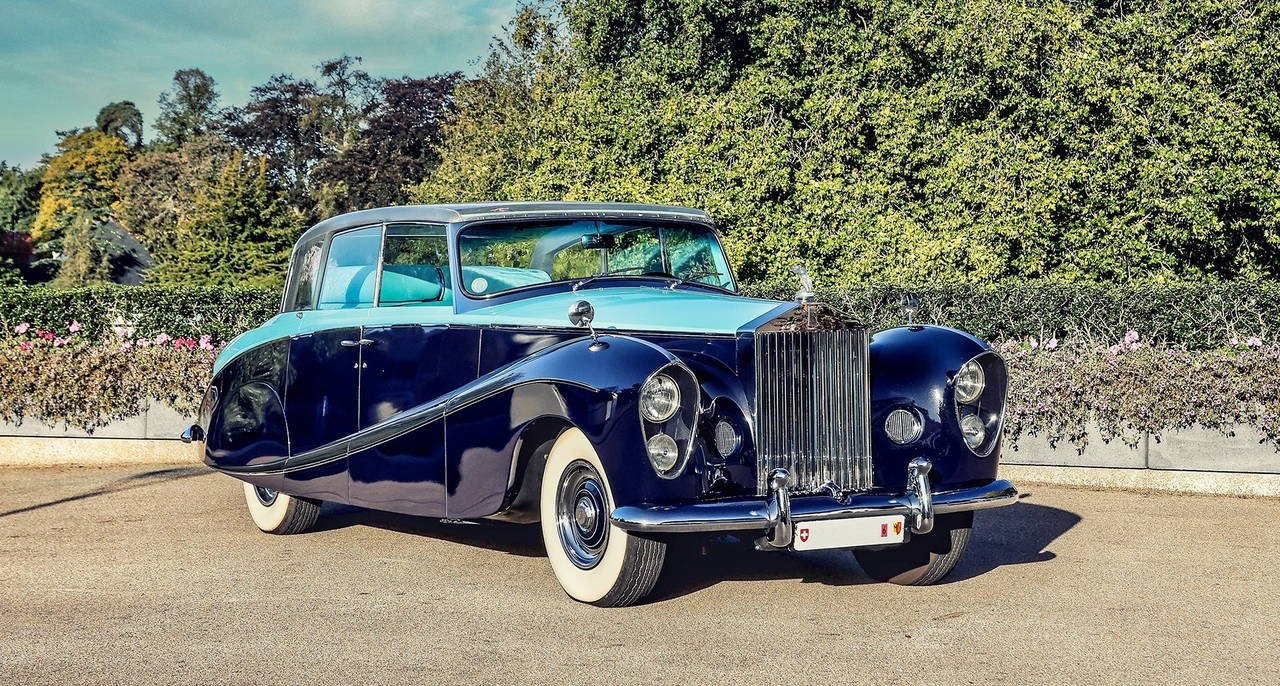
He commissioned bespoke bodies for his cars from British coachbuilders Hooper and FLM Panelcraft. One of his first high-profile projects was a 1947 Rolls-Royce Silver Wraith nicknamed the Pantechnicon. Its massive proportions, enclosed wheel arches and unusual front end made it look like something out of a science-fiction film. In 1956, for trips to the south of France, he commissioned another Silver Wraith, this time with a transparent Plexiglas roof, air conditioning, electric windows, a stereo system and a television in the rear compartment.
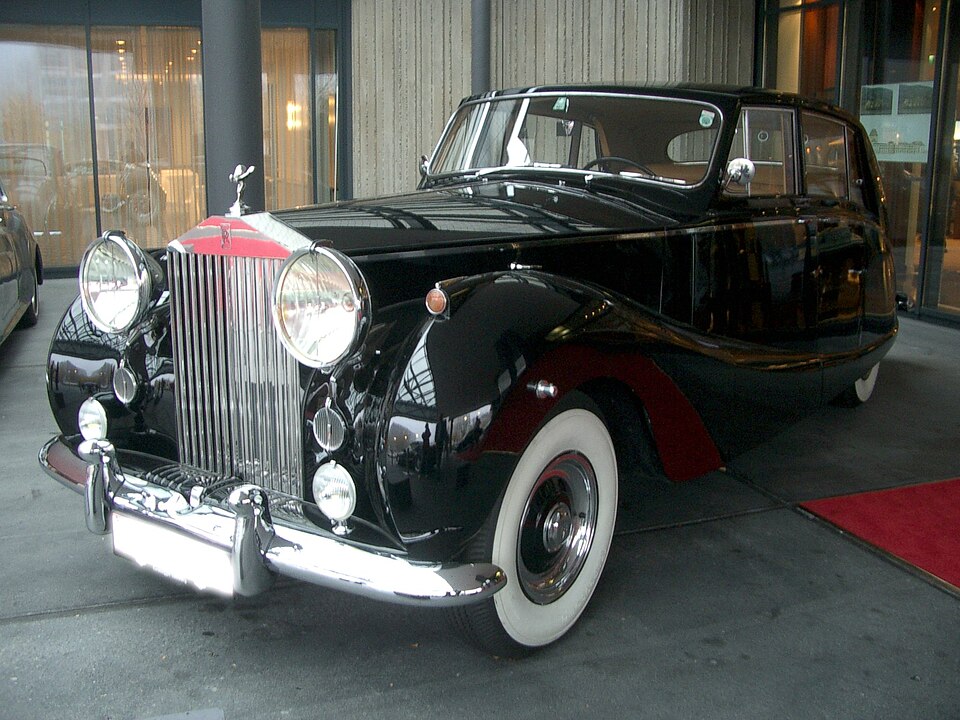
His most famous automotive episode, however, did not involve a Rolls-Royce. Gulbenkian had a London Austin FX4 taxi transformed into a Brougham Sedanca, a miniature limousine-style carriage complete with lamps above the doors, woven bodywork details and a Lalique figurine on the hood. The passenger compartment was enclosed and luxurious, while the driver's seat remained open to the elements. Nubar reportedly enjoyed the fact that his chauffeur got soaked in the rain while he stayed comfortably dry. He is credited with the line: "I never feel quite dry until I see someone else getting wet." One of his Rolls-Royces even had an additional speedometer installed in the passenger compartment so that he could monitor his chauffeur's speed.
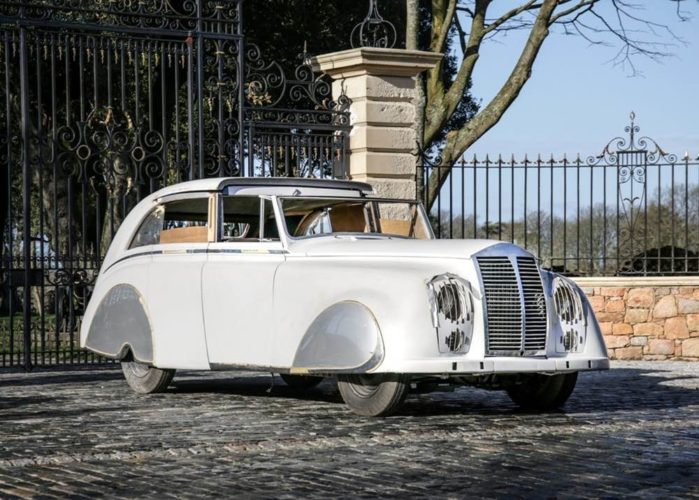
His autobiography, Pantaraxia, was published in 1965. Nubar died in 1972, but his cars continue to appear at auctions and attract collectors. He never founded an automotive company or competed with Rolls-Royce. Instead, he demonstrated another dimension of wealth: the ability to turn even a production model into a one-of-a-kind creation. Today, this is known as bespoke luxury. For Gulbenkian, it was simply a way of life, long before the term became fashionable.
The Hands Behind Schiaparelli's First Triumph: Arusiak Mikaelian
The history of haute couture is usually told through its designers and collections, but behind iconic creations are often skilled artisans whose names never make the headlines. At Schiaparelli, one such figure was Armenian knitter Arusiak Mikaelian, known in Paris as Mike.
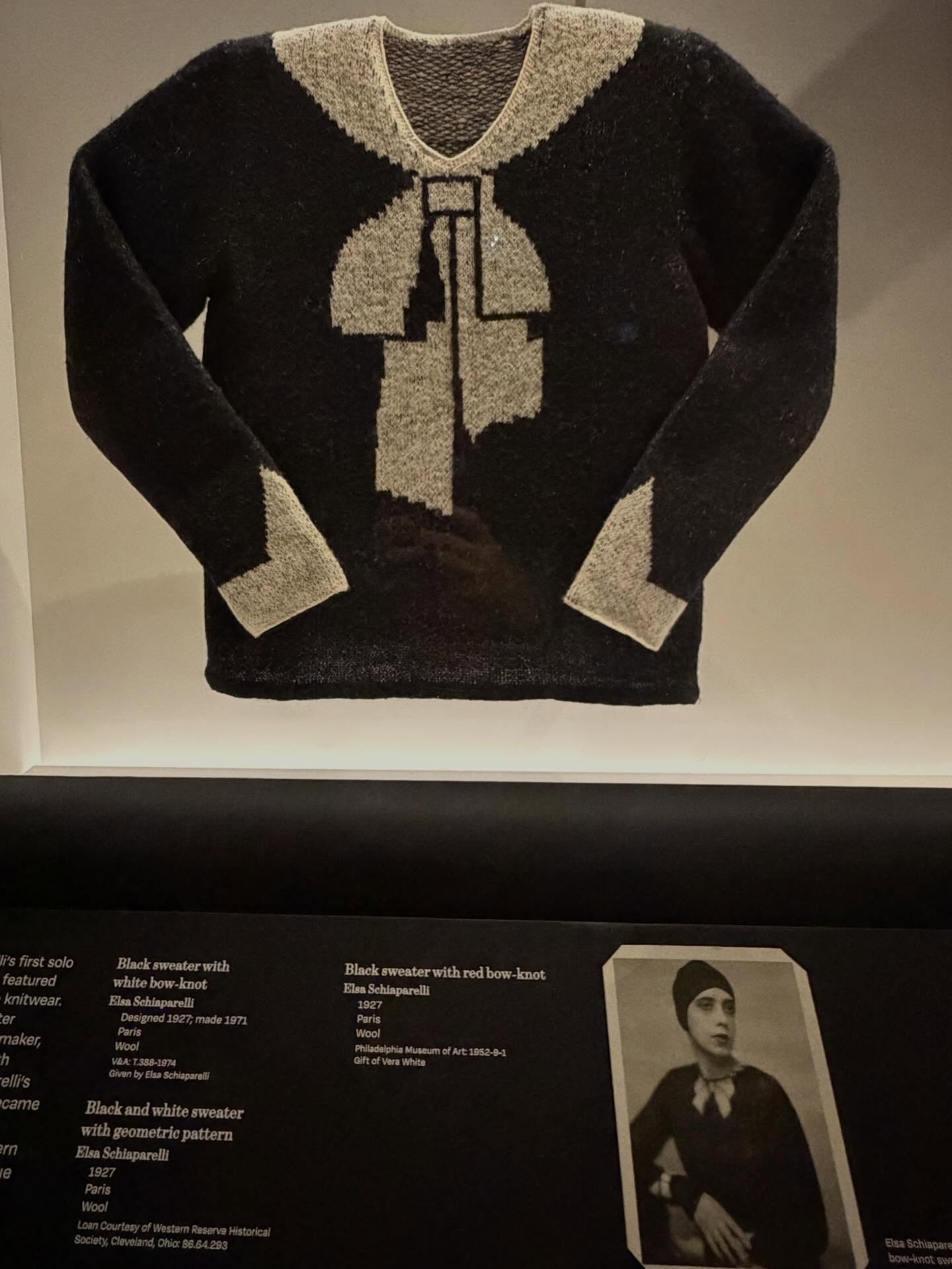
In 1927, Elsa Schiaparelli was captivated by a black sweater featuring a white bow so realistic that it appeared to have been tied over the garment. The illusion was created using a knitting technique that incorporated two colors of yarn. The sweater was made by Arusiak Mikaelian, an Armenian refugee. Schiaparelli asked her to produce her own version based on a sketch. The technique, known as Armenian stitch, involved knitting the contrasting design directly into the fabric rather than applying it to the finished garment. It took three attempts to achieve the desired effect.
When Schiaparelli wore the sweater to a society luncheon, the reaction was immediate: a buyer from the American department store Strauss ordered 40 sweaters and skirts. For the young fashion house, which had almost no working capital, the order was a chance to survive. Mikaelian's role proved decisive. She brought together Armenian knitters in Paris, who agreed to defer payment as long as they were supplied with yarn. The skirts were made from fabric found at a sale at Galeries Lafayette. The order was completed and shipped to New York, and payment arrived within three weeks.
Schiaparelli later admitted that she did not know how to knit, and that the popular image of a designer sitting in an attic with yarn and needles was far from reality. In December 1927, the sweater appeared in the pages of American Vogue, which described it as a work of art. The original is now held at London's Victoria and Albert Museum, which explicitly credits Arusiak Mikaelian and the Armenian knitting technique as central to the garment's history. Schiaparelli's name went down in the history of haute couture, while the craftswoman who brought her idea to life and organized a team of fellow Armenians remained largely absent from mainstream fashion history.
London's King of Cufflinks: Robert Tateossian and Men's Jewelry
For decades, cufflinks remained one of the most unchanged details of men's wardrobes: a fastening for a double cuff, traditionally paired with formal business attire. Robert Tateossian challenged that convention and earned himself the title "King of Cufflinks." The London-based brand he founded, Tateossian, is now known around the world.
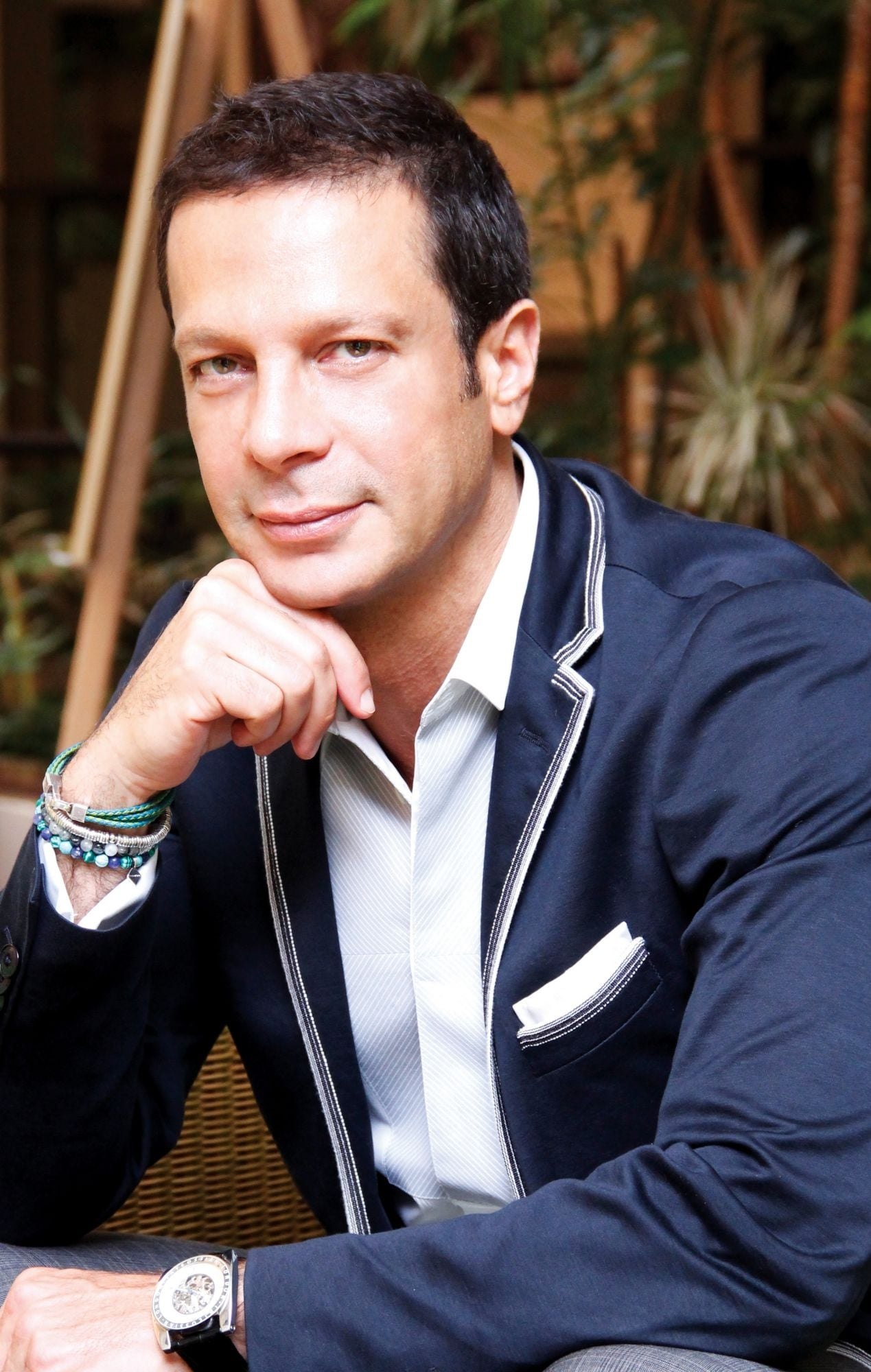
Tateossian was born in Kuwait into a Lebanese-Palestinian-Armenian family. His father's ancestors came from Adana and moved to Lebanon after the Armenian Genocide. He spent his childhood in several countries, attended French schools in Rome and later studied at the Wharton School of Business. He began his career in finance, working for Merrill Lynch in New York and London.
In 1990, he founded his own company in London. At the time, the cufflink market was conservative, dominated by traditional shapes and monograms, with little room for design innovation. Tateossian saw an opportunity. His creations featured miniature working watches, compasses and rotating globes. Some collections incorporated meteorites, dinosaur fossils, carbon fiber and precious stones. A simple fastening was transformed into a miniature mechanical object worthy of being collected and admired.
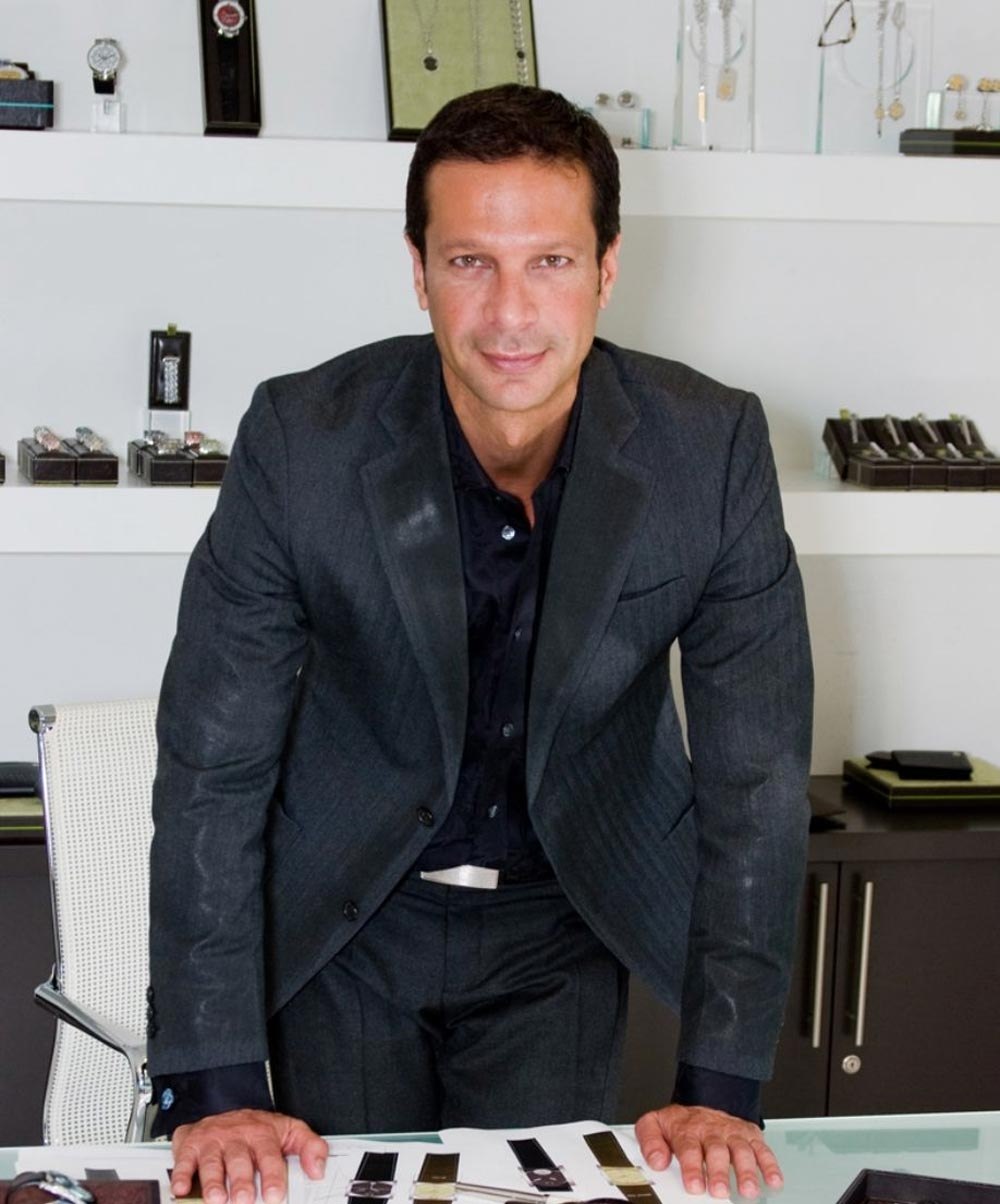
The range later expanded to include watches, bracelets, rings and necklaces for both men and women. The brand is stocked by prestigious department stores, including Harrods in London, and has received the British Export Award three times for its achievements in accessory exports.
The Armenian connection is particularly evident in the Armenian Heritage collection, which features cufflinks bearing portraits of Tigranes the Great and Mesrop Mashtots, as well as motifs inspired by Armenian church architecture. In this way, a former financier identified an almost untapped niche in the men's luxury market and turned a small accessory into a distinctive designer business.
Follow NEWS.am STYLE on Facebook, Twitter and Instagram

- Armenian Heritage in the World of Luxury: From Petrossian Caviar to a Schiaparelli Sweater From Petrossian black caviar and Serapian handbags made in Milan to Boghossian diamonds in Geneva, bespoke Rolls-Royces commissioned by an oil heir and jewelry favored by Hollywood stars, Armenian names have long been woven into the fabric of the luxury industry. Behind some are family empires; behind others, creations that have become part of fashion and automotive history...
- Richard Branson and Ray Dalio Have No Tolerance for Office Gossip: Why Some Billionaires Are Willing to Fire Employees Over It Men who gossip about their colleagues behind their backs could be putting their careers at risk. A new study by the University of Iowa and the University of New Mexico has found that men who gossip are perceived as less competent and are less likely to be seen as leadership material than women who engage in exactly the same behavior....
- Oat and Almond Milk Could Put Your Health at Risk, Scientists Warn Switching from cow’s milk to plant-based alternatives such as oat and almond drinks or coconut yoghurt could leave people short of essential nutrients. That is the conclusion of British researchers whose findings have been published in the journal The Lancet Planetary Health...
- “The Worst TV Show of the 21st Century”: Kim Kardashian and Glenn Close’s Legal Drama Slammed by Critics in Season Two Ryan Murphy’s legal drama All’s Fair, starring Kim Kardashian, Glenn Close and Naomi Watts, has been hit by another wave of scathing reviews. Critics have branded its second season “unbearably awful”, while one reviewer has gone so far as to call it “the worst TV show of the 21st century”...
- Jane Birkin’s Personal Hermès Bag, Complete with Her Signature and Handwritten Message, Heads to Auction A rare Hermès Birkin 30 once owned by Jane Birkin is set to go under the hammer in Paris. The bag’s particular appeal lies in the actress’s autograph and a handwritten message addressed to a friend named Georgia, Robb Report reports...




-
19:37, November 8
Armenian Heritage in the World of Luxury: From Petrossian Caviar to a Schiaparelli Sweater -
18:18, November 7
Richard Branson and Ray Dalio Have No Tolerance for Office Gossip: Why Some Billionaires Are Willing to Fire Employees Over It -
17:33, November 7
Robert Pattinson and Nicholas Hoult Join the Race to Become the Next James Bond -
16:37, November 7
Lavish Birthday at Taxpayers’ Expense: Ivanka Trump’s Security in Morocco Cost $93,000 -
15:29, November 7
Jessica Simpson’s Sexual Renaissance: 46-Year-Old Star Is Head Over Heels for Younger Boyfriend -
14:23, November 7
Oat and Almond Milk Could Put Your Health at Risk, Scientists Warn -
13:23, November 7
Threw a Plate of Spaghetti in Her Face: Bride Explodes After Bridesmaid Refuses to Gain 120 Pounds -
12:21, November 7
Bridgerton Star Sabrina Bartlett Marries Businessman Lachie Stewart in Romantic Tuscan Wedding -
11:18, November 7
Khloe Kardashian’s Ex-Husband Makes More Than $50,000 on OnlyFans in Just Eight Days -
10:30, November 7
Meghan Markle’s Father Led Away in Handcuffs From Nursing Home: He Faces Up to 20 Years in Prison in Child Sexual Abuse Material Case -
23:01, November 6
Kering’s Creative Shake-Up: Pierpaolo Piccioli Exits Balenciaga After Two Other Designers Leave -
22:33, November 6
Mother-in-Law vs Daughter-in-Law: Nicola Peltz Appears to Be Copying Victoria Beckham’s Most Iconic Looks
All materials

@NEWSam_STYLE
@NEWSam_STYLE
- Archive