


NEWS.am STYLE

NEWS.am STYLE

NEWS.am STYLE

NEWS.am STYLE

NEWS.am STYLE
NEWS.am STYLE

NEWS.am STYLE

NEWS.am STYLE
NEWS.am STYLE

The 23rd "Golden Apricot" Yerevan International Film Festival has kicked off

NEWS.am STYLE

NEWS.am STYLE

NEWS.am STYLE

NEWS.am STYLE

Nikos Vertis to perform in Armenia for the 3rd time at the invitation of “ACVA BUILDINGS”

NEWS.am STYLE

NEWS.am STYLE

NEWS.am STYLE
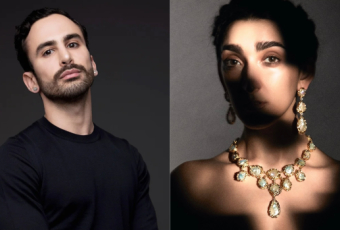
Bernard Arnault in Shanghai: LVMH chief snaps up Chinese brands amid falling demand for foreign luxury
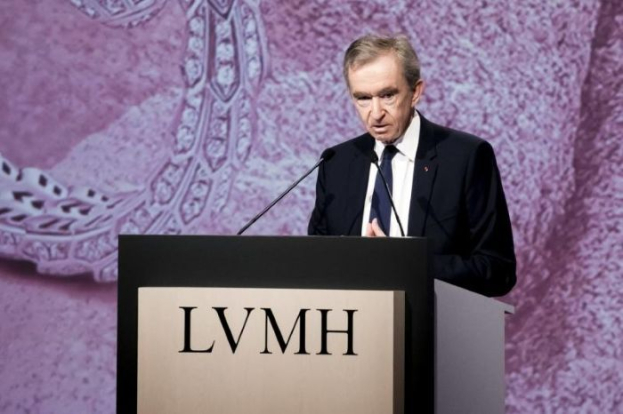
When Bernard Arnault, one of the world’s richest people and chairman of LVMH, visited Shanghai in September, many expected a routine tour of Louis Vuitton, Dior, and other group boutiques in the city’s luxury malls. Instead, Arnault took a surprising turn: he shopped at Chinese brands, Bloomberg reports.
At the new Qiantan Taikoo Li mall, he visited Songmont, a minimalist leather goods brand, purchasing two handbags. He also stopped by Laopu Gold, a local jewelry brand neighboring Cartier and Van Cleef & Arpels, spending about 30 minutes and calling the pieces “refined” and “interesting.”
This move was symbolic: the head of the company that helped shape modern luxury is now showing interest in brands that could define the future of China’s luxury market.
Chinese Brands on the Rise
China’s economic slowdown has dampened demand for foreign luxury brands, while local labels are gaining traction. Online platforms have fueled their growth: over the past two years, five Chinese brands in handbags, apparel, fragrances, cosmetics, and jewelry have outpaced seven foreign competitors in sales growth.
-
Laopu Gold’s online sales jumped over 1,000% in the first three quarters compared to two years ago.
-
Songmont handbags grew around 90%, while Gucci’s online sales in China fell by more than 50%, and Michael Kors by 40%.
On Tmall, China’s largest e-commerce platform, some domestic brands now outperform foreign competitors in revenue: in the 12 months through October, Laopu Gold sold $630 million, Van Cleef & Arpels $57 million, and Mao Geping $125 million, more than double Bobbi Brown’s sales.
Storytelling Over Price
Chinese brands focus on brand universe and storytelling, rather than just pricing. Songmont draws on Eastern aesthetics and calligraphy, while perfume brand To Summer uses traditional ingredients like tea, osmanthus, and dried orange peel. ICICLE channels Confucian ideals of harmony and restraint.
This approach is particularly effective online: Songmont launched a podcast about urban women’s lives, emphasizing self-respect and diverse values rather than social status.
Challenges and Outlook
Despite impressive growth, Chinese brands still hold a small market share. Major Western labels account for about 63% of China’s personal luxury market. Economic headwinds could slow expansion, as luxury growth depends on rising incomes and an expanding middle class.
Still, local brands are beginning to attract global buyers, with younger consumers seeking unique products tailored to their cultural context rather than just Western logos.
The Chinese luxury market is evolving: domestic brands are delivering quality, cultural identity, and growing popularity, while foreign labels face slower demand. As consumers become more selective, the future of luxury in China is increasingly homegrown.
Follow NEWS.am STYLE on Facebook, Twitter and Instagram

- Chanel in All Its Glory: New Necklace Showcases a Rare 20.66-Carat Sri Lankan Sapphire Lion, camellia, star and sun — all of Chanel’s iconic symbols come together in a single jewelry masterpiece, crowned by an exceptionally rare sapphire...
- Luxury, Pearls, and Gothic Style: MIKIMOTO and Chrome Hearts Unveil Their Second Collaborative Collection Japanese high-jewelry house MIKIMOTO and iconic American brand Chrome Hearts have reunited for a second capsule collection, swapping cool white gold for warm 22-karat yellow gold...
- Louis Vuitton Unveils the Most Complex Pocket Watch in the History of La Fabrique du Temps Created as a nod to the brand’s historic philosophy—the "Art of Travel"—the watch completely lacks traditional hands on the dial. Instead, a mesmerizing miniature theater unfolds before the viewer, requiring hundreds of hours of manual engraving and enameling to create...
- An Ode to Egyptian Roots: Van Cleef & Arpels Unveils New High Jewelry Collection Those original masterpieces were created in an era when Western modernism was just emerging and archaeological discoveries from a century ago were captivating the imagination of the European public, Robb Report writes...
- Blancpain Celebrates Marilyn Monroe’s 100th Birthday with Diamond-Encrusted Jewelry Watches On the day legendary Marilyn Monroe would have turned 100, Swiss watchmaker Blancpain demonstrates why diamonds remain a girl’s best friend, writes Robb Report...




-
15:30, October 18
I’m Always Excited to Explore My Roots: Krikor Jabotian on Armenian Fashion and His Collaboration with Armine Harutyunyan -
19:28, October 17
«When You Step Into an Aircraft, It Doesn’t Ask Whether You’re a Man or a Woman»: Pilot and Composer Narine Melkumyan -
18:18, October 17
Michelin Guide Scandal: Prestigious Restaurant Guide Accused of Using AI to Write Reviews -
17:32, October 17
Rolex Instead of Gold: Why Billionaires Are Investing in Watches, Rubies, and Klimt Paintings -
16:04, October 17
“It’s Not a Catastrophe”: LVMH Heir Explains Why Luxury Brands Shouldn’t Panic Over the Crisis -
15:29, October 17
Cher Reveals the Secret Behind Her Legendary “Naked” Met Gala Dress -
14:11, October 17
Michael Douglas Recalls Danny DeVito Swallowing All Their Joints When Police Pulled Them Over -
13:22, October 17
“You’ve Humiliated Me!” Meghan Markle Cut Ties With Designer Over Kate Middleton Blunder -
12:17, October 17
Kim Kardashian Celebrates 46th Birthday in a Dress Made Almost Entirely of Strings -
11:50, October 17
“She Showed Photos of Penises and Bragged About Her Lovers”: Scandal Surrounding Former US Ambassador to Greece Deepens -
11:12, October 17
Mike Tyson Spends Thousands on Perfume, With Each Bottle Costing Up to $6,000 -
10:30, October 17
Billionaire Heiress Spends Up to $60,000 a Year on Beauty, Including Botox Since Age 23 and $500 Manicures
All materials

@NEWSam_STYLE
@NEWSam_STYLE
- Archive